



Articles about Romania
08 December 2025
Democracy Starts With Your Body: What SECS Romania Teaches Us About Resilience
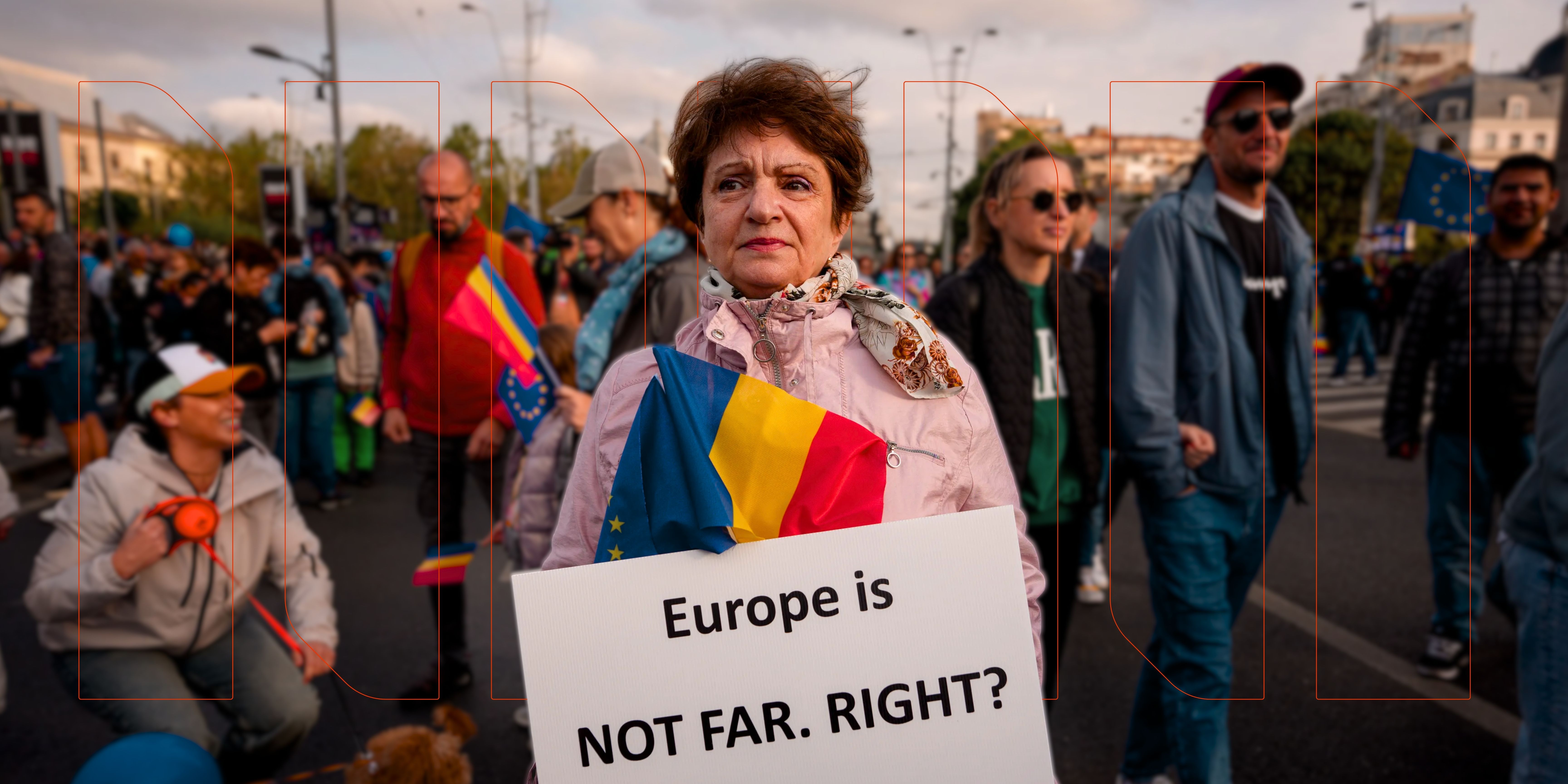
Bucharest, 2025 – Romania’s democracy has just weathered an unprecedented stress test. In 2024 alone, the country held five elections – local, parliamentary, European, and a twice-held presidential vote – a marathon that culminated in the shock cancellation of a presidential runoff after a far-right populist surged unexpectedly into the lead. The political atmosphere was rife with nationalist fervour, anti-rights rhetoric, and alleged foreign interference amplifying extremist messages. “We were seeing a big tsunami of far-right, nationalist, conservative, populist forces… It’s very hard to point to them and just say they are only far right… they’re also very populistic and very conservative,” recalls Gabriel Brumariu, director of the Society for Education on Contraception and Sexuality (SECS) in Romania. As anti-rights narratives spread, it became clear that sexual and reproductive health and rights (SRHR) organisations like SECS were care advocates on the frontlines defending democracy itself.

16 October 2024
Roma Women in Romania Face Old and New Threats to Abortion Care Access
For Roma women and girls in Romania, the struggle to access abortion care brings them into contact with horrific levels of racism and discrimination, hardwired into mainstream Romanian society and institutions over centuries. This discrimination prevents many of the country’s 2 million-strong Roma population from having adequate access to healthcare, education, housing, employment, and other aspects of daily life and rights. For women and girls, these challenges are magnified by sexism and chauvinism. In this Q&A, equal opportunity expert Roxana-Magdalena Oprea of E-Romnja, a Roma women’s rights organisation, discusses the experiences of Roma women and girls within Romania’s healthcare system and why far more must be done to uphold their rights. Could you give a brief overview of systemic barriers to the rights of Roma women in Romania? The Roma population has long been one of the most discriminated against groups in Romania. Five hundred years of Roma slavery, the Holocaust and deportations to Transnistria, eugenic policies, and the assimilation policies of the Communist period represent systems of oppression that generated historical and political contexts in which the Roma population was systematically persecuted, abused, or even decimated. In 2020, the European Commission launched an infringement procedure against Romania for the state's failure to implement the Framework Decision on combating racism through criminal measures. Roma women remain among the most vulnerable categories when it comes to access to education, health, housing, the labour market, social protection, and other aspects of daily life. All these systemic barriers reinforce inequalities between Roma women and the mainstream population, and perpetuate Roma women's vulnerabilities. Looking specifically at health – infant and maternal mortality are higher among the Roma population, and Roma women in particular face additional obstacles (obstetric violence, segregation in maternity hospitals, racist attitudes and behaviours from medical staff) that make them even more vulnerable. For Roma women, the intersection of ethnicity, gender, class, skin colour, and so on creates different experiences of discrimination, as systems of oppression overlap. To illustrate, I would mention the case of a young deaf Roma woman who was denied maternity care and gave birth on a pavement outside a hospital. What are the main cost barriers that Roma people face when trying to access abortion care? In Romania, the cost of an abortion on request varies, from more affordable in the public system to prohibitive in the private system. The problem is that within the public health system, there are very few medical units where abortions can be performed. Many doctors refuse to perform curettages – either by invoking the option to refuse a medical act on ethical or religious grounds, or by drawing attention to a lack of appropriate medical facilities. Some doctors direct patients to private clinics where the costs depend on the procedure (medical or surgical etc), but a Roma woman cannot afford the cost of private care. Frequently, doctors’ refusal to provide abortion on request is redoubled by all kinds of contemptuous attitudes towards women who seek this type of care. In addition to these barriers, in the case of Roma women, those from rural areas or other vulnerable groups face barriers related to access, as a trip to the nearest hospital can cost several hundred Romanian lei [$70-100]. Other barriers they encounter are poor quality insurance, lack of family planning clinics, lack of family practice physicians, and the refusal of family doctors to issue referral tickets for appointments. And let's not forget about racism. How do institutional racism and discrimination, as well as stigma and discrimination within society at large, affect access to abortion care and increase costs for Roma communities? Institutional racism affects the access of Roma women in general to any type of public or private services. On the topic of abortion on request specifically – I don't feel there is necessarily a stigma associated with Roma women. At the same time, there is no quantitative data to demonstrate that Roma women face more obstetric violence or discrimination than majority women when accessing reproductive health services, but as a grassroots activist I know this is happening. It is debatable why there is no quantitative data on this topic and why, every time, Roma women are left out of research that could come up with this evidence. Change occurs by directly addressing the systemic problems, not masking them, not beautifying them, not making them invisible. It is also important to look at the reasons behind pleas of chauvinist politicians and other regressive actors to make contraception and abortion care accessible to vulnerable groups of women. Are their arguments of a socio-economic nature or are eugenicist ideologies behind their wish to control the bodies and birth rates of “undesirable” categories of people? It is a theme that we must reflect on! How does intersectional discrimination affect Roma women and girls and their access to abortion care? Public policies do not pay enough attention to the intersectional dimensions of discrimination and the causal link between systemic racism and health inequalities faced by Roma women. This lack of consideration can lead to a shallow understanding of the issues, and means that inequalities are treated in isolation, without considering the complex interactions between gender, ethnicity, class and other dimensions of oppression. In general, the problems faced by Roma women in accessing the public health system in Romania are: prolonged waiting times; poor quality medical interventions; reluctance or refusal of doctors to consult or admit Roma patients; and humiliation, classism, and discrimination. Racism is so pronounced that even if Roma women urgently need medical services, they avoid going to hospital. Recently, an organisation that E-Romnja works with contacted us to ask us to accompany a Roma woman to the hospital for an abortion on request, to ensure that the woman would not be discriminated against. What impact do developments at EU level have on the Roma community's sexual and reproductive health and rights? The rise of the far right, the lack of representation of Roma women in national or international politics, anti-Gypsyism, pandemics, wars, social inequities – these are cyclical realities that cause irreparable damage to the Roma community and remain a challenge on the human rights agenda. The fear is that the Roma minority will become a target again, as happened for example during the pandemic, when the wave of hatred against the Roma intensified. When it comes to reproductive rights, Roma women are over-represented in a negative sense. In recent history, we have plenty of examples of Romanian politicians who have spoken publicly about Roma women’s bodies and their supposed hyperfertility – their fear being that the Roma population will outnumber the majority population. Let’s not forget that in neighbouring countries (Czech Republic, Slovakia, Hungary, Bulgaria), forced sterilisation of Roma women was state policy implemented by doctors until very recently. History also indicates that in extremist regimes, sexual violence against women – especially women from vulnerable minority groups – increases and their rights are more often violated. How does E-Romnja support women and girls' access to abortion care? What are your priority focus areas, and what do you see as main current and future threats ? We support Roma women and girls with money – for travel expenses, medicine, and even for abortion. We also organise workshops on reproductive health topics for Roma girls and women in the communities where we work, as well as workshops with medical professionals and public authorities to raise awareness of the problems and barriers in the system encountered by Roma girls and women. Our current and long-term priorities are challenges around sexual violence and child marriage, access to reproductive health and social services, and community development. As for the main threats – beyond those already mentioned, I would add the lack of interest among donors/funders for this cause, and the interference of the Church in political decision-making on the subject. *** Read more about the how high costs and a broken health system are freezing many people out of abortion care in Romania, in this recent interview with IPPF's Romanian Member Association, SECS. Photo of protest banner by E-Romnja. The slogan reads “Who is afraid of the Roma woman’s womb?”. Roxana explains that this question results from "our historical, collective, political, and vindictive anger addressed to all racists, abusers, and aggressors, who feel disturbed and threatened by our colours, bodies, and fertile uteruses." Article by Imogen Mathers for IPPF EN This content is funded by the European Union through the Citizens, Equality, Rights and Values Programme. Disclaimer: Views and opinions expressed are those of IPPF EN and do not necessarily reflect those of the European Union or the European Commission. Neither the European Union or the European Commission can be held responsible for them.
28 September 2024
High costs and broken health system freeze many out of abortion care in Romania
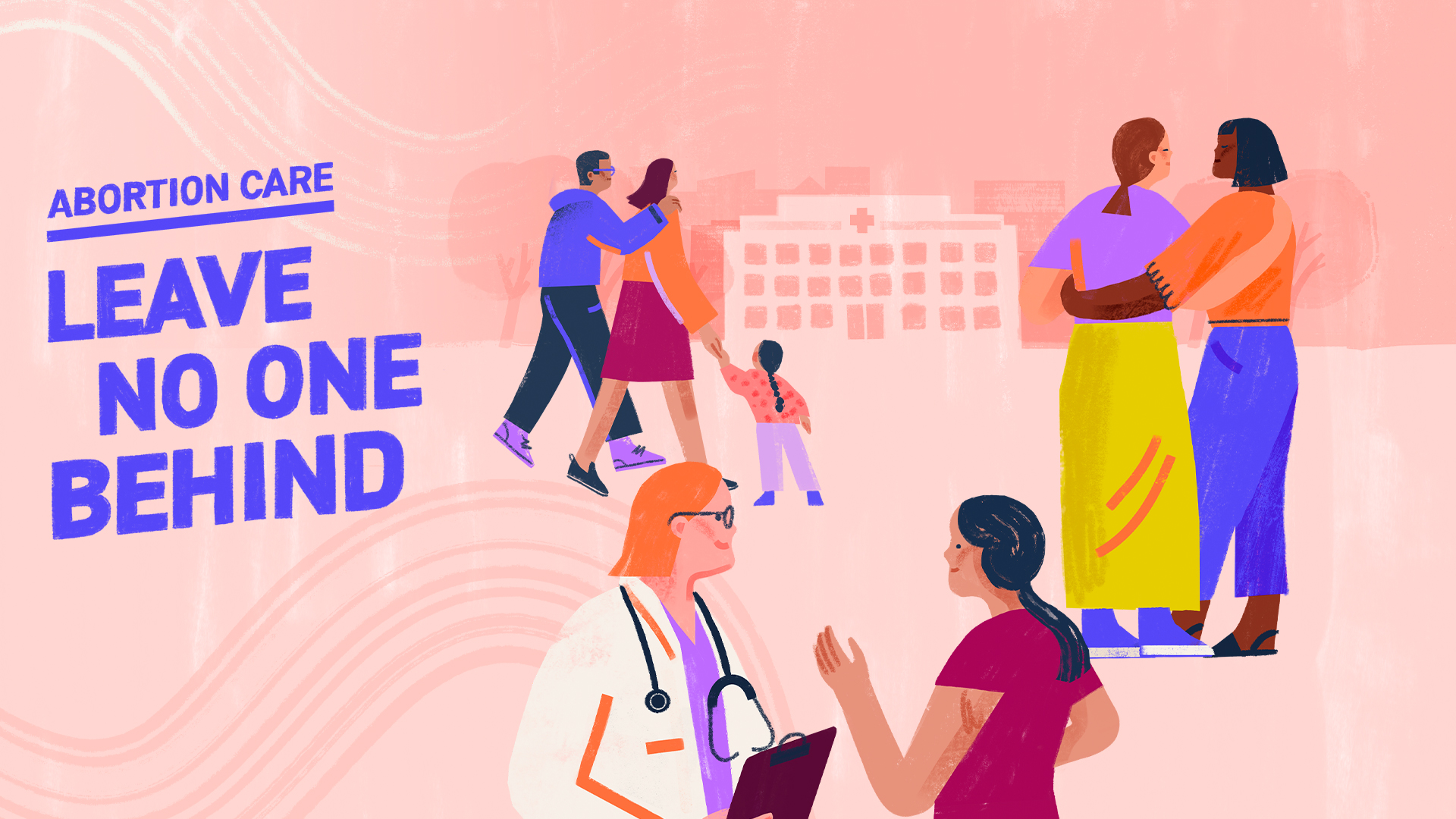
On paper, abortion care is legal up to 14 weeks in Romania – though only free in emergencies – and should be provided by all hospitals with obstetrics and gynaecology departments. The reality is very different. Abortion care is increasingly expensive, provided by fewer and fewer clinics, involves a labyrinth of red tape, and tends only to be available in cities. “Today, we are in the worst-case scenario [seen] in recent years,” says Gabriel Brumariu, director of SECS, IPPF’s Romanian Member Association. In the 1990s and 2000s, abortion care had rapidly improved in Romania. The post-Communist government had inherited a brutal system for women and children – a near-total ban on abortion and contraception between 1966 and 1989 had brought devastating repercussions. Following the 1989 revolution, the new government swiftly legalised abortion up to 14 weeks, and introduced free contraception (though this ended unexpectedly in 2013). This progress is now being destroyed at pace, Gabriel says. Many factors are making abortion care more expensive and less accessible – including cuts to sexual and reproductive health and rights (SRHR) programmes, clinic closures, and a slump in the number of doctors willing to perform procedures. Overall, the country’s health system is crumbling, and women are particularly vulnerable. Evidence has emerged of people dying after being denied access to obstetric care, and the maternal mortality rate rose by 183% between 2018 and 2022 – “inconceivable” for an EU state, Gabriel says. And, with the far right on the march in Romania and European donor states, often bankrolled by US anti-rights campaign groups, the rights of women are under severe attack. Exorbitant costs For many in Romania, the high price tag for abortion puts it out of reach – and prices are rising fast year on year. In public hospitals, abortions on request cost around $200-300; in private clinics, between $250-1000. These prices are “a huge proportion of a monthly salary,” says Gabriel, and in some cases exceed it. The new national monthly minimum wage is 3,700 Romanian lei (RON) – around US$812, before tax and deductions of over 40%. Women’s median monthly salary is $582.24 net, with higher salaries concentrated in cities. For undocumented migrants, day workers, and those working without legal papers, salaries are much lower, at around US$300 per month, Gabriel explains. Rural communities left high and dry Other costs swiftly stack up: on top of treatment costs, people often have to travel hundreds of kilometres to access care, partly because many rural clinics have shut down. Almost half (44.8%) of Romania’s 19 million population live in rural areas. For these communities, accessing abortion care requires cash for transport, accommodation, childcare, time off work – the list goes on. Repeat visits further drive up costs, and, unlike several other European countries, Romania does not allow abortion telemedicine for medical abortions (pills taken at home) at all. As a result, abortion on request is becoming the preserve of wealthier, urban communities, says Gabriel: “Of course, the ones that have money will [be able to] access abortion [...] in a private clinic. But if you are from a marginalised community, it’s almost impossible for you.” Women on the fringes Some of the most marginalised people in Romania include the country’s 2 million-strong Roma community. Abortion access for the Roma is fraught, with geography and income playing a role here too: Roma people’s salaries tend to be far lower than average, and they often live in segregated areas on the geographical and cultural fringes of mainstream Romanian society. These barriers intersect with systemic racism, classism, and entrenched stigma towards the community from medical staff, as our recent interview with Roma feminist organisation E-Romnja explains in detail. The approximately 77,900 Ukrainian refugees living in Romania are another group facing barriers to abortion care. Access is now so limited that “some of them prefer to go in a country at war because it’s easier in Ukraine to access abortion than in Romania,” Gabriel says. A 2023 report by the Centre for Reproductive Rights found that being unable to get appropriate care pushes many refugees to pursue unsafe avenues or return to Ukraine to access abortion. Gabriel says funding for care has dried up: SECS used to receive humanitarian funding to support Ukrainian refugees to access abortion, but “now, all the funds for Ukrainians disappeared […] and we don’t have funds to pay for Romanian people or Ukrainian refugees.” Public hospitals failing mandates One major factor cutting abortion access is the increasing refusal of doctors to provide care in public hospitals, Gabriel explains. Many doctors work in both public and private practice, but “tend to take their patients to private clinics because they earn a lot of money by doing … an abortion [there],” he says. “There are counties [...] which offer zero chance [of abortion] in public hospitals.” The data reveals a crisis spiralling downwards fast. In 2019, research by the Black Sea found that 60 of 190 public hospitals contacted did not offer abortions. The COVID-19 pandemic made a bad situation worse: only 12 of 112 public hospitals (11%) contacted by women's rights organisation Centrul Filia in 2020-2021 provided abortion on request. In 2021, an investigation by Romanian media revealed that 11 out of 42 Romanian counties provided no abortion on request, with 62% of such procedures taking place in private clinics. In 2023-2024, a telephone survey by the Independent Midwives Association found that over 80% of public clinics do not offer abortion services, while 90% refuse to refer women to another clinic on request, despite being required to by the medical ethics code. The increasing use of ‘conscientious objection’ laws that allow doctors to refuse care has also hit numbers of care providers. Data from Centrul Filia revealed that 70 out of 136 public hospitals use these laws as a basis for refusing to perform abortions. Doctors who refuse care are supposed to refer patients to another doctor or hospital, but often the personnel and infrastructure simply isn’t there, Gabriel says. Some doctors refuse to provide care in public hospitals on ‘conscience’ grounds but then offer the service privately, for a much higher fee. Chauvinist forces attack rights by stealth Many different groups are fomenting anti-abortion sentiment, Gabriel explains. As in other EU countries, abortion is a key battleground issue for Romania’s growing far right – “a more extreme far right party that’s bigger now and more powerful.” Meanwhile, ultra-conservative lobbying groups and evangelical Christian groups, often with US backing, have been consolidating influence on political parties, policies, and grassroots services. They often work covertly because public support for abortion is strong, Gabriel explains. Rather than pushing for a referendum on abortion and “making waves” – likely leading to public “revolt” – they focus on gaining political traction, influencing doctors, and lobbying for reducing gestational limits for abortion. Another tactic is to target women at the grassroots. ‘Pregnancy crisis centres’ run by Christian organisations – often with US links – are springing up across the country, often embedding themselves in public services, with the aim of dissuading women from having abortions. Romania’s powerful orthodox church – particularly strong in rural areas – is also a strong force opposing abortion. Far right influence also threatens SRHR organisations like SECS, Gabriel says. Such NGOs receive no government funding but rely on European donors and international organisations like IPPF, within an SRHR funding landscape that is already very constrained. Gabriel worries that if major European donor governments lurch rightwards, it will further diminish funding for SRHR and abortion care programmes in countries in east and southern Europe. Working together to protect future generations Fighting to protect and advance women’s rights within such an embattled landscape calls for strong partnerships, Gabriel says: “The most effective ways [for ensuring abortion access] are the advocacy interventions done by the civil society, united.” SECS is focusing on reviving an NGO advocacy platform that worked very hard to defeat the country's 2018 anti-LGBTI referendum. Such networks allow organisations to divvy up responsibilities and work strategically towards common goals. Through this “united” approach, SECS and partners plan to run robust campaigns backed by the collection and analysis of better data (currently, public data on many SRHR issues is often poor or non-existent). Working together, the focus is to mobilise public opinion, protect “good laws”, push for legislative change, and “facilitate real access to abortion services all around the country.” For example, SECS is currently pushing for the legalisation of abortion telemedicine, to make care more affordable and accessible to thousands of people – particularly those in remote rural areas, hundreds of kilometres from clinics – in the challenging years ahead. *** Words by Imogen Mathers for IPPF EN Illustration by Alissa Thaler for IPPF EN This content is funded by the European Union through the Citizens, Equality, Rights and Values Programme. Disclaimer: Views and opinions expressed are those of IPPF EN and do not necessarily reflect those of the European Union or the European Commission. Neither the European Union or the European Commission can be held responsible for them.

31 August 2023
Romania: IPPF EN is appalled by the failures of the Romanian healthcare system
IPPF EN is deeply worried by recent reports of denial of healthcare in Romania that speak to a shocking wider systemic problem. Last week, the case of Alexandra, a 25-year-old mother of three, who was denied emergency obstetric care in a hospital for seven hours, has ignited protests in Romania and heavy media coverage. The cause of death was an obstetric emergency which led to sepsis, acute cardio-respiratory insufficiency and acute pulmonary edema. Alexandra endured terrible pain for hours and asked for help from those whose duty was to save her, but her pleas went unanswered. The case is being investigated by the police. Alexandra's case is one of many pointing to a crumbling healthcare system that is harming all Romanian citizens. The country’s healthcare system is rated 34 out of 35 by the Euro Health Consumer Index. Things are especially dire for groups of people who are already made vulnerable by the system, such as women, Roma people and those living in poverty. Institutionalised stigma and discrimination run deep, with patients reporting being denied care or not being given quality care due to the colour of their skin or their ability to pay. The system is broken for everyone, but it is groups already facing challenging circumstances who bear the brunt. “From 2018 until 2021, there was an 183% increase in the maternal mortality rate. It’s unconceivable for an EU Member State to have such a high maternal and infant mortality rate. And it’s devastating that so many women have lost their lives, leaving their families behind. And while women’s health paints a grim picture, the problem is more widespread touching on all areas of health. Romania is among the countries that spends the least on healthcare as a share of GDP.” said Gabriel Brumariu from SECS, IPPF’s Romanian Member Association.

29 September 2022
Combatting harmful gender norms through innovative education
Rigid gender norms or stereotypes limit people’s ability to pursue their professional careers and make choices about their lives. Gender norms not only limit people’s freedom and choices, but they end up condoning gender-based violence and perpetuating inequalities rooted in unbalanced power dynamics. As a result, people are coerced by collective expectations into taking up gender roles that stop them from pursuing the careers and relationships they want, or even being themselves. For example, young men are often expected to suppress their emotions so that they can conform to damaging understandings of strength and masculinity. This leaves men illequipped to express or navigate through their emotions, which can later on cause issues for their mental health. Equally, young women are often expected to be polite and accommodating to others - even in situations where they are made to feel uncomfortable. Conforming to this expectation can make it more difficult for women to assert themselves and can lead to their enduring discrimination or abuse without possessing the skills or confidence to address it. But relationship and sexuality education can play a crucial role in dismantling and challenging harmful gender norms, thus preventing gender-based violence and giving young people the skills needed to lead more equal and safe lives. Furthermore, training of adults and educators is key to raising their awareness around existing gender stereotypes that they may inadvertently perpetuate. Civil society organisations in Serbia, Estonia, Romania and Latvia came together under the Youth SpectActors project to do just that. The main purpose of the project was to educate and empower young people between 12-25 years of age to question gender norms, attitudes and stereotypes that contribute or could lead to gender-based-violence (GBV) through organising theatrical plays that deal with typical situations where gender identity and expression occur. Read about the results of our project on people's lives in the below factsheet.

08 April 2022
Working with the Roma community and local actors for reproductive freedom
In the Balkans, IPPF members are working hand-in-hand with diverse networks of actors from within and around Roma communities. This work was shaped as the My Body, My Rights project. Our common goal is to strengthen girls’ lifelong reproductive freedom and tackle some of the deep-rooted, systemic obstacles that prevent people - especially women and youth - from living safer and healthier lives. How? By increasing access to care, creating supporting contexts for choice and advocating for investment. Our work is community-driven and based on fostering local partnerships. At the heart of this collective action are Roma volunteers, girls and boys, health mediators and local NGOs, leading grassroots change and advocating for their own unique communities. Doctors, community nurses and teachers are working with them to help deliver lasting impact. And some decision-makers are stepping up and beginning to make much-needed investments in more equitable access to reproductive healthcare. We are proud to share highlights of our work, recommendations to decision-makers and resources for further reading. Explore our new microsite!

17 February 2022
Young people breaking gender stereotypes
The Youth SpectActors project, implemented in Serbia, Romania, Latvia and Estonia, addresses the root causes of gender-based violence (GBV), namely traditional patriarchal systems based on harmful and rigid gender norms around masculinity and femininity, gender-based discrimination and unequal power relations. Young people are at the centre of our intervention, because of the far-reaching impact of GBV in their lives – as survivors, perpetrators, or bystanders. We believe that young people have a key role they play as change agents. To this end we run theatre-based workshops where boys and girls who participate literally walk in one another's shoes to help challenge and dismantle 'gender roles'. Gender roles are merely roles that we are playing all our lives, and this is why playing them on the stage makes perfect sense. By dismantling archaic stereotypes, we can foster equality and prevent violence and coercion within relationships. Relationship and sexuality education, in school settings and outside, plays a key role in ensuring the safe emotional and physical development of young people.

09 December 2021
Safe from Sexual and Gender-Based Violence - toolkit
This is the Safe from sexual and gender-based violence (SfSGBV) toolkit. Its main purpose is to guide the delivery of sexuality education sessions that support young people at risk of marginalization to recognize and protect themselves from SGBV. The toolkit is designed for the use of experienced sexuality education educators. Equally, it is a valuable resource for young people interested to learn more about prevention of sexual and gender-based violence. You can learn from the toolkit either through our interactive website or by downloading the resource below.

20 September 2021
My friends think I’m crazy, because I only have one child. But I know I can decide when to have another. Vaska's Story
“I got married quite early, when I was 17. A year and a half later I got pregnant and had a baby girl. Now she is 18 months old. My husband started a job in the city in a company which is popular among Roma people, and I stayed home to look after our child. Last year I met Valya, the health mediator. She told me they organize meetings, and she invited me to take part in a women’s group. Initially I didn’t know what we would do, but it was interesting as there were other women like me. During these meetings we spoke very often about contraception in general, and especially about IUDs. The women shared what they had heard and what they knew about them. It was strange, but most of them said that IUDs harm women’s health. I also understood that the men are worried about their wives’ health and that that’s why they don’t approve of contraception. I heard women say other things as well, like you can still get pregnant with an IUD, that you may gain weight, that IUDs move in the body, and so on and so forth. One day, during a meeting, we spoke again about contraception, and more precisely, what we thought was a good family size. People had different views. I personally think that it is not so much about the number of children as it is about being able to make sure you have everything you need - clothes, food, the possibility to educate them. Everyone should take these issues into consideration before having children. I thought more often about myself and my family. We didn’t have high incomes and we could barely afford our bills. Our daughter was a baby and it was challenge to provide for her. My husband and I started to talk about it, and I started to think about getting an IUD. That’s why six months ago I decided to have one fitted, and I feel fine. It isn’t painful and I haven’t gained weight. My friends think I’m crazy, because I only have one child. But I know that I’ll be able to decide when to have another one.” When vulnerable communities, volunteers and professionals unite for reproductive freedom, they are a powerful force for change. Watch Vaska’s story and others in our short film about the amazing work our members in Bulgaria, Romania and Serbia are doing to support the lifelong reproductive health and safety of Roma girls, women and young people.

27 September 2021
My Body, My Rights - short film
When vulnerable communities, volunteers and professionals unite for reproductive freedom, they are a powerful force for change. Our short film features five stories that show how IPPF members in Bulgaria, Romania and Serbia are supporting the lifelong reproductive health and safety of Roma girls, women and young people, working on the multiple fronts necessary to improve access and uptake of quality family planning and maternal health care. Learn more about the My Body, My Rights project here.
08 December 2025
Democracy Starts With Your Body: What SECS Romania Teaches Us About Resilience
Bucharest, 2025 – Romania’s democracy has just weathered an unprecedented stress test. In 2024 alone, the country held five elections – local, parliamentary, European, and a twice-held presidential vote – a marathon that culminated in the shock cancellation of a presidential runoff after a far-right populist surged unexpectedly into the lead. The political atmosphere was rife with nationalist fervour, anti-rights rhetoric, and alleged foreign interference amplifying extremist messages. “We were seeing a big tsunami of far-right, nationalist, conservative, populist forces… It’s very hard to point to them and just say they are only far right… they’re also very populistic and very conservative,” recalls Gabriel Brumariu, director of the Society for Education on Contraception and Sexuality (SECS) in Romania. As anti-rights narratives spread, it became clear that sexual and reproductive health and rights (SRHR) organisations like SECS were care advocates on the frontlines defending democracy itself.
16 October 2024
Roma Women in Romania Face Old and New Threats to Abortion Care Access
For Roma women and girls in Romania, the struggle to access abortion care brings them into contact with horrific levels of racism and discrimination, hardwired into mainstream Romanian society and institutions over centuries. This discrimination prevents many of the country’s 2 million-strong Roma population from having adequate access to healthcare, education, housing, employment, and other aspects of daily life and rights. For women and girls, these challenges are magnified by sexism and chauvinism. In this Q&A, equal opportunity expert Roxana-Magdalena Oprea of E-Romnja, a Roma women’s rights organisation, discusses the experiences of Roma women and girls within Romania’s healthcare system and why far more must be done to uphold their rights. Could you give a brief overview of systemic barriers to the rights of Roma women in Romania? The Roma population has long been one of the most discriminated against groups in Romania. Five hundred years of Roma slavery, the Holocaust and deportations to Transnistria, eugenic policies, and the assimilation policies of the Communist period represent systems of oppression that generated historical and political contexts in which the Roma population was systematically persecuted, abused, or even decimated. In 2020, the European Commission launched an infringement procedure against Romania for the state's failure to implement the Framework Decision on combating racism through criminal measures. Roma women remain among the most vulnerable categories when it comes to access to education, health, housing, the labour market, social protection, and other aspects of daily life. All these systemic barriers reinforce inequalities between Roma women and the mainstream population, and perpetuate Roma women's vulnerabilities. Looking specifically at health – infant and maternal mortality are higher among the Roma population, and Roma women in particular face additional obstacles (obstetric violence, segregation in maternity hospitals, racist attitudes and behaviours from medical staff) that make them even more vulnerable. For Roma women, the intersection of ethnicity, gender, class, skin colour, and so on creates different experiences of discrimination, as systems of oppression overlap. To illustrate, I would mention the case of a young deaf Roma woman who was denied maternity care and gave birth on a pavement outside a hospital. What are the main cost barriers that Roma people face when trying to access abortion care? In Romania, the cost of an abortion on request varies, from more affordable in the public system to prohibitive in the private system. The problem is that within the public health system, there are very few medical units where abortions can be performed. Many doctors refuse to perform curettages – either by invoking the option to refuse a medical act on ethical or religious grounds, or by drawing attention to a lack of appropriate medical facilities. Some doctors direct patients to private clinics where the costs depend on the procedure (medical or surgical etc), but a Roma woman cannot afford the cost of private care. Frequently, doctors’ refusal to provide abortion on request is redoubled by all kinds of contemptuous attitudes towards women who seek this type of care. In addition to these barriers, in the case of Roma women, those from rural areas or other vulnerable groups face barriers related to access, as a trip to the nearest hospital can cost several hundred Romanian lei [$70-100]. Other barriers they encounter are poor quality insurance, lack of family planning clinics, lack of family practice physicians, and the refusal of family doctors to issue referral tickets for appointments. And let's not forget about racism. How do institutional racism and discrimination, as well as stigma and discrimination within society at large, affect access to abortion care and increase costs for Roma communities? Institutional racism affects the access of Roma women in general to any type of public or private services. On the topic of abortion on request specifically – I don't feel there is necessarily a stigma associated with Roma women. At the same time, there is no quantitative data to demonstrate that Roma women face more obstetric violence or discrimination than majority women when accessing reproductive health services, but as a grassroots activist I know this is happening. It is debatable why there is no quantitative data on this topic and why, every time, Roma women are left out of research that could come up with this evidence. Change occurs by directly addressing the systemic problems, not masking them, not beautifying them, not making them invisible. It is also important to look at the reasons behind pleas of chauvinist politicians and other regressive actors to make contraception and abortion care accessible to vulnerable groups of women. Are their arguments of a socio-economic nature or are eugenicist ideologies behind their wish to control the bodies and birth rates of “undesirable” categories of people? It is a theme that we must reflect on! How does intersectional discrimination affect Roma women and girls and their access to abortion care? Public policies do not pay enough attention to the intersectional dimensions of discrimination and the causal link between systemic racism and health inequalities faced by Roma women. This lack of consideration can lead to a shallow understanding of the issues, and means that inequalities are treated in isolation, without considering the complex interactions between gender, ethnicity, class and other dimensions of oppression. In general, the problems faced by Roma women in accessing the public health system in Romania are: prolonged waiting times; poor quality medical interventions; reluctance or refusal of doctors to consult or admit Roma patients; and humiliation, classism, and discrimination. Racism is so pronounced that even if Roma women urgently need medical services, they avoid going to hospital. Recently, an organisation that E-Romnja works with contacted us to ask us to accompany a Roma woman to the hospital for an abortion on request, to ensure that the woman would not be discriminated against. What impact do developments at EU level have on the Roma community's sexual and reproductive health and rights? The rise of the far right, the lack of representation of Roma women in national or international politics, anti-Gypsyism, pandemics, wars, social inequities – these are cyclical realities that cause irreparable damage to the Roma community and remain a challenge on the human rights agenda. The fear is that the Roma minority will become a target again, as happened for example during the pandemic, when the wave of hatred against the Roma intensified. When it comes to reproductive rights, Roma women are over-represented in a negative sense. In recent history, we have plenty of examples of Romanian politicians who have spoken publicly about Roma women’s bodies and their supposed hyperfertility – their fear being that the Roma population will outnumber the majority population. Let’s not forget that in neighbouring countries (Czech Republic, Slovakia, Hungary, Bulgaria), forced sterilisation of Roma women was state policy implemented by doctors until very recently. History also indicates that in extremist regimes, sexual violence against women – especially women from vulnerable minority groups – increases and their rights are more often violated. How does E-Romnja support women and girls' access to abortion care? What are your priority focus areas, and what do you see as main current and future threats ? We support Roma women and girls with money – for travel expenses, medicine, and even for abortion. We also organise workshops on reproductive health topics for Roma girls and women in the communities where we work, as well as workshops with medical professionals and public authorities to raise awareness of the problems and barriers in the system encountered by Roma girls and women. Our current and long-term priorities are challenges around sexual violence and child marriage, access to reproductive health and social services, and community development. As for the main threats – beyond those already mentioned, I would add the lack of interest among donors/funders for this cause, and the interference of the Church in political decision-making on the subject. *** Read more about the how high costs and a broken health system are freezing many people out of abortion care in Romania, in this recent interview with IPPF's Romanian Member Association, SECS. Photo of protest banner by E-Romnja. The slogan reads “Who is afraid of the Roma woman’s womb?”. Roxana explains that this question results from "our historical, collective, political, and vindictive anger addressed to all racists, abusers, and aggressors, who feel disturbed and threatened by our colours, bodies, and fertile uteruses." Article by Imogen Mathers for IPPF EN This content is funded by the European Union through the Citizens, Equality, Rights and Values Programme. Disclaimer: Views and opinions expressed are those of IPPF EN and do not necessarily reflect those of the European Union or the European Commission. Neither the European Union or the European Commission can be held responsible for them.
28 September 2024
High costs and broken health system freeze many out of abortion care in Romania
On paper, abortion care is legal up to 14 weeks in Romania – though only free in emergencies – and should be provided by all hospitals with obstetrics and gynaecology departments. The reality is very different. Abortion care is increasingly expensive, provided by fewer and fewer clinics, involves a labyrinth of red tape, and tends only to be available in cities. “Today, we are in the worst-case scenario [seen] in recent years,” says Gabriel Brumariu, director of SECS, IPPF’s Romanian Member Association. In the 1990s and 2000s, abortion care had rapidly improved in Romania. The post-Communist government had inherited a brutal system for women and children – a near-total ban on abortion and contraception between 1966 and 1989 had brought devastating repercussions. Following the 1989 revolution, the new government swiftly legalised abortion up to 14 weeks, and introduced free contraception (though this ended unexpectedly in 2013). This progress is now being destroyed at pace, Gabriel says. Many factors are making abortion care more expensive and less accessible – including cuts to sexual and reproductive health and rights (SRHR) programmes, clinic closures, and a slump in the number of doctors willing to perform procedures. Overall, the country’s health system is crumbling, and women are particularly vulnerable. Evidence has emerged of people dying after being denied access to obstetric care, and the maternal mortality rate rose by 183% between 2018 and 2022 – “inconceivable” for an EU state, Gabriel says. And, with the far right on the march in Romania and European donor states, often bankrolled by US anti-rights campaign groups, the rights of women are under severe attack. Exorbitant costs For many in Romania, the high price tag for abortion puts it out of reach – and prices are rising fast year on year. In public hospitals, abortions on request cost around $200-300; in private clinics, between $250-1000. These prices are “a huge proportion of a monthly salary,” says Gabriel, and in some cases exceed it. The new national monthly minimum wage is 3,700 Romanian lei (RON) – around US$812, before tax and deductions of over 40%. Women’s median monthly salary is $582.24 net, with higher salaries concentrated in cities. For undocumented migrants, day workers, and those working without legal papers, salaries are much lower, at around US$300 per month, Gabriel explains. Rural communities left high and dry Other costs swiftly stack up: on top of treatment costs, people often have to travel hundreds of kilometres to access care, partly because many rural clinics have shut down. Almost half (44.8%) of Romania’s 19 million population live in rural areas. For these communities, accessing abortion care requires cash for transport, accommodation, childcare, time off work – the list goes on. Repeat visits further drive up costs, and, unlike several other European countries, Romania does not allow abortion telemedicine for medical abortions (pills taken at home) at all. As a result, abortion on request is becoming the preserve of wealthier, urban communities, says Gabriel: “Of course, the ones that have money will [be able to] access abortion [...] in a private clinic. But if you are from a marginalised community, it’s almost impossible for you.” Women on the fringes Some of the most marginalised people in Romania include the country’s 2 million-strong Roma community. Abortion access for the Roma is fraught, with geography and income playing a role here too: Roma people’s salaries tend to be far lower than average, and they often live in segregated areas on the geographical and cultural fringes of mainstream Romanian society. These barriers intersect with systemic racism, classism, and entrenched stigma towards the community from medical staff, as our recent interview with Roma feminist organisation E-Romnja explains in detail. The approximately 77,900 Ukrainian refugees living in Romania are another group facing barriers to abortion care. Access is now so limited that “some of them prefer to go in a country at war because it’s easier in Ukraine to access abortion than in Romania,” Gabriel says. A 2023 report by the Centre for Reproductive Rights found that being unable to get appropriate care pushes many refugees to pursue unsafe avenues or return to Ukraine to access abortion. Gabriel says funding for care has dried up: SECS used to receive humanitarian funding to support Ukrainian refugees to access abortion, but “now, all the funds for Ukrainians disappeared […] and we don’t have funds to pay for Romanian people or Ukrainian refugees.” Public hospitals failing mandates One major factor cutting abortion access is the increasing refusal of doctors to provide care in public hospitals, Gabriel explains. Many doctors work in both public and private practice, but “tend to take their patients to private clinics because they earn a lot of money by doing … an abortion [there],” he says. “There are counties [...] which offer zero chance [of abortion] in public hospitals.” The data reveals a crisis spiralling downwards fast. In 2019, research by the Black Sea found that 60 of 190 public hospitals contacted did not offer abortions. The COVID-19 pandemic made a bad situation worse: only 12 of 112 public hospitals (11%) contacted by women's rights organisation Centrul Filia in 2020-2021 provided abortion on request. In 2021, an investigation by Romanian media revealed that 11 out of 42 Romanian counties provided no abortion on request, with 62% of such procedures taking place in private clinics. In 2023-2024, a telephone survey by the Independent Midwives Association found that over 80% of public clinics do not offer abortion services, while 90% refuse to refer women to another clinic on request, despite being required to by the medical ethics code. The increasing use of ‘conscientious objection’ laws that allow doctors to refuse care has also hit numbers of care providers. Data from Centrul Filia revealed that 70 out of 136 public hospitals use these laws as a basis for refusing to perform abortions. Doctors who refuse care are supposed to refer patients to another doctor or hospital, but often the personnel and infrastructure simply isn’t there, Gabriel says. Some doctors refuse to provide care in public hospitals on ‘conscience’ grounds but then offer the service privately, for a much higher fee. Chauvinist forces attack rights by stealth Many different groups are fomenting anti-abortion sentiment, Gabriel explains. As in other EU countries, abortion is a key battleground issue for Romania’s growing far right – “a more extreme far right party that’s bigger now and more powerful.” Meanwhile, ultra-conservative lobbying groups and evangelical Christian groups, often with US backing, have been consolidating influence on political parties, policies, and grassroots services. They often work covertly because public support for abortion is strong, Gabriel explains. Rather than pushing for a referendum on abortion and “making waves” – likely leading to public “revolt” – they focus on gaining political traction, influencing doctors, and lobbying for reducing gestational limits for abortion. Another tactic is to target women at the grassroots. ‘Pregnancy crisis centres’ run by Christian organisations – often with US links – are springing up across the country, often embedding themselves in public services, with the aim of dissuading women from having abortions. Romania’s powerful orthodox church – particularly strong in rural areas – is also a strong force opposing abortion. Far right influence also threatens SRHR organisations like SECS, Gabriel says. Such NGOs receive no government funding but rely on European donors and international organisations like IPPF, within an SRHR funding landscape that is already very constrained. Gabriel worries that if major European donor governments lurch rightwards, it will further diminish funding for SRHR and abortion care programmes in countries in east and southern Europe. Working together to protect future generations Fighting to protect and advance women’s rights within such an embattled landscape calls for strong partnerships, Gabriel says: “The most effective ways [for ensuring abortion access] are the advocacy interventions done by the civil society, united.” SECS is focusing on reviving an NGO advocacy platform that worked very hard to defeat the country's 2018 anti-LGBTI referendum. Such networks allow organisations to divvy up responsibilities and work strategically towards common goals. Through this “united” approach, SECS and partners plan to run robust campaigns backed by the collection and analysis of better data (currently, public data on many SRHR issues is often poor or non-existent). Working together, the focus is to mobilise public opinion, protect “good laws”, push for legislative change, and “facilitate real access to abortion services all around the country.” For example, SECS is currently pushing for the legalisation of abortion telemedicine, to make care more affordable and accessible to thousands of people – particularly those in remote rural areas, hundreds of kilometres from clinics – in the challenging years ahead. *** Words by Imogen Mathers for IPPF EN Illustration by Alissa Thaler for IPPF EN This content is funded by the European Union through the Citizens, Equality, Rights and Values Programme. Disclaimer: Views and opinions expressed are those of IPPF EN and do not necessarily reflect those of the European Union or the European Commission. Neither the European Union or the European Commission can be held responsible for them.
31 August 2023
Romania: IPPF EN is appalled by the failures of the Romanian healthcare system
IPPF EN is deeply worried by recent reports of denial of healthcare in Romania that speak to a shocking wider systemic problem. Last week, the case of Alexandra, a 25-year-old mother of three, who was denied emergency obstetric care in a hospital for seven hours, has ignited protests in Romania and heavy media coverage. The cause of death was an obstetric emergency which led to sepsis, acute cardio-respiratory insufficiency and acute pulmonary edema. Alexandra endured terrible pain for hours and asked for help from those whose duty was to save her, but her pleas went unanswered. The case is being investigated by the police. Alexandra's case is one of many pointing to a crumbling healthcare system that is harming all Romanian citizens. The country’s healthcare system is rated 34 out of 35 by the Euro Health Consumer Index. Things are especially dire for groups of people who are already made vulnerable by the system, such as women, Roma people and those living in poverty. Institutionalised stigma and discrimination run deep, with patients reporting being denied care or not being given quality care due to the colour of their skin or their ability to pay. The system is broken for everyone, but it is groups already facing challenging circumstances who bear the brunt. “From 2018 until 2021, there was an 183% increase in the maternal mortality rate. It’s unconceivable for an EU Member State to have such a high maternal and infant mortality rate. And it’s devastating that so many women have lost their lives, leaving their families behind. And while women’s health paints a grim picture, the problem is more widespread touching on all areas of health. Romania is among the countries that spends the least on healthcare as a share of GDP.” said Gabriel Brumariu from SECS, IPPF’s Romanian Member Association.
29 September 2022
Combatting harmful gender norms through innovative education
Rigid gender norms or stereotypes limit people’s ability to pursue their professional careers and make choices about their lives. Gender norms not only limit people’s freedom and choices, but they end up condoning gender-based violence and perpetuating inequalities rooted in unbalanced power dynamics. As a result, people are coerced by collective expectations into taking up gender roles that stop them from pursuing the careers and relationships they want, or even being themselves. For example, young men are often expected to suppress their emotions so that they can conform to damaging understandings of strength and masculinity. This leaves men illequipped to express or navigate through their emotions, which can later on cause issues for their mental health. Equally, young women are often expected to be polite and accommodating to others - even in situations where they are made to feel uncomfortable. Conforming to this expectation can make it more difficult for women to assert themselves and can lead to their enduring discrimination or abuse without possessing the skills or confidence to address it. But relationship and sexuality education can play a crucial role in dismantling and challenging harmful gender norms, thus preventing gender-based violence and giving young people the skills needed to lead more equal and safe lives. Furthermore, training of adults and educators is key to raising their awareness around existing gender stereotypes that they may inadvertently perpetuate. Civil society organisations in Serbia, Estonia, Romania and Latvia came together under the Youth SpectActors project to do just that. The main purpose of the project was to educate and empower young people between 12-25 years of age to question gender norms, attitudes and stereotypes that contribute or could lead to gender-based-violence (GBV) through organising theatrical plays that deal with typical situations where gender identity and expression occur. Read about the results of our project on people's lives in the below factsheet.
08 April 2022
Working with the Roma community and local actors for reproductive freedom
In the Balkans, IPPF members are working hand-in-hand with diverse networks of actors from within and around Roma communities. This work was shaped as the My Body, My Rights project. Our common goal is to strengthen girls’ lifelong reproductive freedom and tackle some of the deep-rooted, systemic obstacles that prevent people - especially women and youth - from living safer and healthier lives. How? By increasing access to care, creating supporting contexts for choice and advocating for investment. Our work is community-driven and based on fostering local partnerships. At the heart of this collective action are Roma volunteers, girls and boys, health mediators and local NGOs, leading grassroots change and advocating for their own unique communities. Doctors, community nurses and teachers are working with them to help deliver lasting impact. And some decision-makers are stepping up and beginning to make much-needed investments in more equitable access to reproductive healthcare. We are proud to share highlights of our work, recommendations to decision-makers and resources for further reading. Explore our new microsite!
17 February 2022
Young people breaking gender stereotypes
The Youth SpectActors project, implemented in Serbia, Romania, Latvia and Estonia, addresses the root causes of gender-based violence (GBV), namely traditional patriarchal systems based on harmful and rigid gender norms around masculinity and femininity, gender-based discrimination and unequal power relations. Young people are at the centre of our intervention, because of the far-reaching impact of GBV in their lives – as survivors, perpetrators, or bystanders. We believe that young people have a key role they play as change agents. To this end we run theatre-based workshops where boys and girls who participate literally walk in one another's shoes to help challenge and dismantle 'gender roles'. Gender roles are merely roles that we are playing all our lives, and this is why playing them on the stage makes perfect sense. By dismantling archaic stereotypes, we can foster equality and prevent violence and coercion within relationships. Relationship and sexuality education, in school settings and outside, plays a key role in ensuring the safe emotional and physical development of young people.
09 December 2021
Safe from Sexual and Gender-Based Violence - toolkit
This is the Safe from sexual and gender-based violence (SfSGBV) toolkit. Its main purpose is to guide the delivery of sexuality education sessions that support young people at risk of marginalization to recognize and protect themselves from SGBV. The toolkit is designed for the use of experienced sexuality education educators. Equally, it is a valuable resource for young people interested to learn more about prevention of sexual and gender-based violence. You can learn from the toolkit either through our interactive website or by downloading the resource below.
20 September 2021
My friends think I’m crazy, because I only have one child. But I know I can decide when to have another. Vaska's Story
“I got married quite early, when I was 17. A year and a half later I got pregnant and had a baby girl. Now she is 18 months old. My husband started a job in the city in a company which is popular among Roma people, and I stayed home to look after our child. Last year I met Valya, the health mediator. She told me they organize meetings, and she invited me to take part in a women’s group. Initially I didn’t know what we would do, but it was interesting as there were other women like me. During these meetings we spoke very often about contraception in general, and especially about IUDs. The women shared what they had heard and what they knew about them. It was strange, but most of them said that IUDs harm women’s health. I also understood that the men are worried about their wives’ health and that that’s why they don’t approve of contraception. I heard women say other things as well, like you can still get pregnant with an IUD, that you may gain weight, that IUDs move in the body, and so on and so forth. One day, during a meeting, we spoke again about contraception, and more precisely, what we thought was a good family size. People had different views. I personally think that it is not so much about the number of children as it is about being able to make sure you have everything you need - clothes, food, the possibility to educate them. Everyone should take these issues into consideration before having children. I thought more often about myself and my family. We didn’t have high incomes and we could barely afford our bills. Our daughter was a baby and it was challenge to provide for her. My husband and I started to talk about it, and I started to think about getting an IUD. That’s why six months ago I decided to have one fitted, and I feel fine. It isn’t painful and I haven’t gained weight. My friends think I’m crazy, because I only have one child. But I know that I’ll be able to decide when to have another one.” When vulnerable communities, volunteers and professionals unite for reproductive freedom, they are a powerful force for change. Watch Vaska’s story and others in our short film about the amazing work our members in Bulgaria, Romania and Serbia are doing to support the lifelong reproductive health and safety of Roma girls, women and young people.
27 September 2021
My Body, My Rights - short film
When vulnerable communities, volunteers and professionals unite for reproductive freedom, they are a powerful force for change. Our short film features five stories that show how IPPF members in Bulgaria, Romania and Serbia are supporting the lifelong reproductive health and safety of Roma girls, women and young people, working on the multiple fronts necessary to improve access and uptake of quality family planning and maternal health care. Learn more about the My Body, My Rights project here.