




Articles about Sexual and Gender-Based Violence
20 May 2025
Listening Can Save Lives: Empowering Family Doctors in Ukraine to Support Women Facing Violence
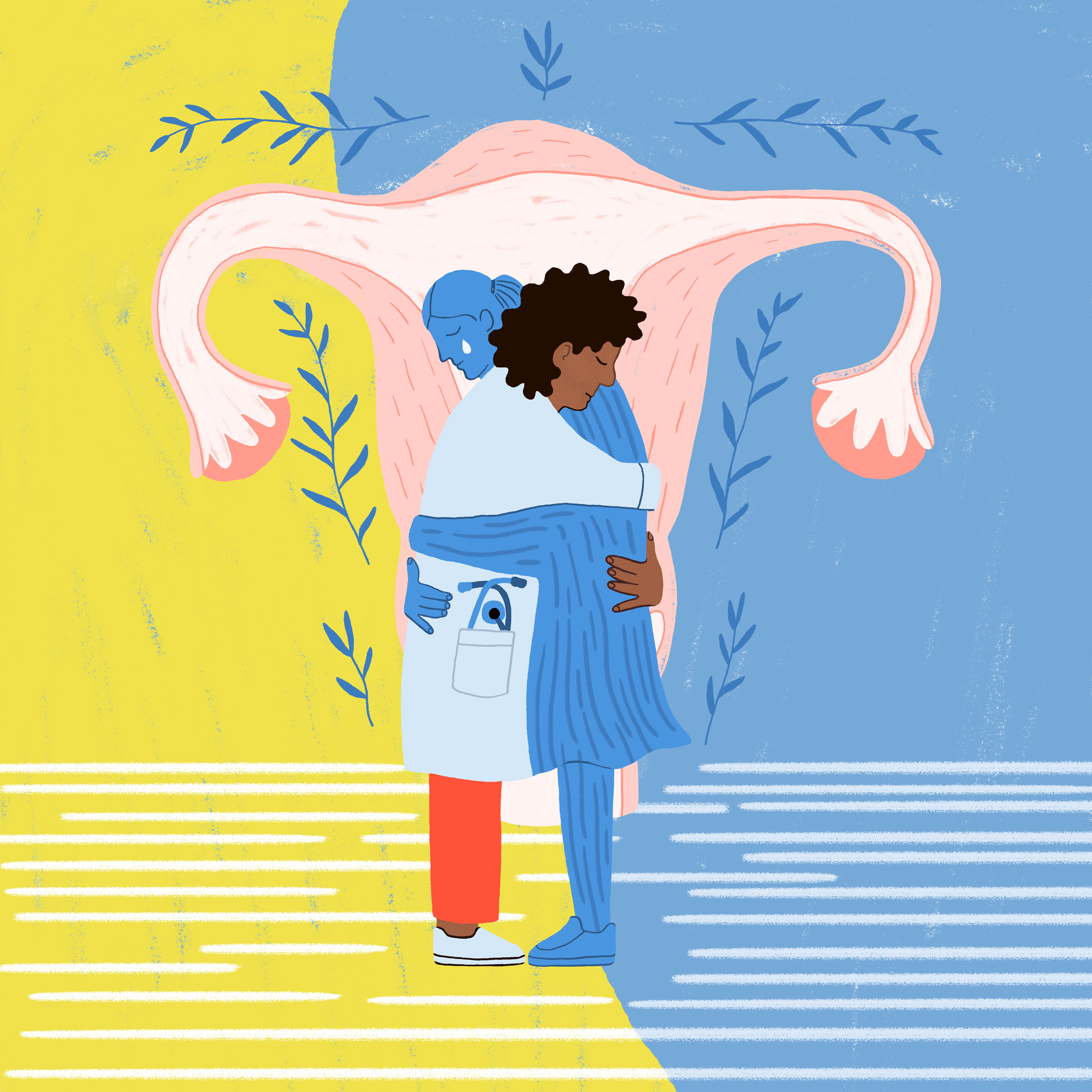
Since the onset of the Russian invasion, countless people in Ukraine have faced not only the trauma of war, but the increased threat and terrifying reported incidence of abuse, sexual and gender-based violence (SGBV) and trafficking. Amid this humanitarian crisis, Women’s Health and Family Planning - Ukraine (WHFP) has remained steadfast in its mission to restore access to lifesaving sexual and reproductive health (SRH) and gender-based violence (SGBV) services for those most at risk. Amid the terrifying devastation experienced through a humanitarian crisis, people need first and foremost safety and protection. In 2024, WHFP, in partnership with the Public Health Centre, launched an innovative online training course for healthcare professionals: “Comprehensive Medical Care for Survivors of Sexual and Gender-Based Violence.” The course is a vital tool to equip doctors with the skills they need to recognize signs of abuse, respond with compassion, and offer concrete support—often becoming the first lifeline for survivors.

12 March 2025
European Commission's new Women's Rights Roadmap includes SRHR—Now we need action
On 7 March 2025, the European Commission released its new Roadmap for Women’s Rights - a political declaration that reaffirms its determination to uphold gender equality and sets out a long-term vision for how it will advance women’s rights. IPPF EN welcomes this crucial commitment at a time when ultraconservative movements are gaining influence in the EU and around the world, threatening progress on women's rights, including their sexual and reproductive health and rights (SRHR). We particularly value the inclusion in the Roadmap of the following key commitments, which are at the heart of our demands to the EU: 1. Highest Standards of Health The Roadmap reiterates that every woman has the right to the highest attainable standards of physical and mental health, with notably a focus on SRHR. It commits to supporting and complementing health action by Member States in this field, in full respect of the Treaties. IPPF EN strongly supports this inclusion of SRHR in the Roadmap, by which the European Commission highlights that SRHR are women’s rights and part of EU values. But it is important to note that SRHR are not only a health issue – they are also fundamental rights intertwined with the clear EU priorities of achieving gender equality and fighting against sexual and gender-based violence. We urge the EU to take bold, actionable steps in the upcoming Gender Equality Strategy to implement international commitments, international human rights and public health standards on SRHR, and ensure that Member States guarantee access to comprehensive SRHR services for all in the EU, including safe and legal abortion. Other objectives in the Roadmap include ensuring respectful and high quality obstetric, gynaecological, antenatal, childbirth and postnatal care, free from discrimination and harmful practices; promoting gender-sensitive medical research, clinical trials, diagnostics and treatments; and ensuring access to affordable menstrual hygiene products and contraception. IPPF EN welcomes the prioritisation of obstetric care, of which access to abortion care is an integral part; and calls for the recognition and combating of all forms of obstetric and gynaecological violence, including mistreatment during and denial of abortion care. 2. Freedom from Gender-Based Violence The Roadmap outlines actions to combat all forms of violence against women and girls, including sexual violence and rape, based on lack of consent, and to ensure support and protection for victims of violence. IPPF EN urges Member States to provide access to sexual and reproductive healthcare services to victims of sexual violence, which should be free of charge, sufficiently resourced and accessible at all times and throughout the country, in line with the EU Directive on Violence Against Women. 3. Comprehensive Sexuality Education We strongly welcome the inclusion of comprehensive sexuality education promotion in the Roadmap. Comprehensive sexuality education, which includes consent education, is essential for enabling young people to form happy, healthy, and safe relationships free from violence and discrimination. 4. Institutional Mechanisms and Funding The Roadmap stresses the need for strong institutional mechanisms and sustainable funding for gender equality policies and women’s rights organisations. IPPF EN calls for the priorities outlined in the Roadmap, and the forthcoming Gender Equality Strategy, to be adequately funded, particularly in light of the upcoming negotiations on the EU Multiannual Financial Framework. A strong women’s rights movement is the most effective way to counter threats of retrogression. The EU should increase its protection and political and financial support to organisations and human rights defenders who fight for women’s rights, including SRHR. 5. Intersectionality The Roadmap recognizes the importance of addressing intersectional discrimination, but we regret the omission of ‘gender identity’, ‘sexual characteristics’, and ‘migration status’ as discrimination grounds. We call on the EU to address the specific needs of trans, non-binary, intersex, and migrant and undocumented women, who face unique challenges. “It is a welcome first step that SRHR and other crucial topics have been included in the Roadmap for Women’s Rights. The Roadmap should now pave the way for the new EU Gender Equality Strategy post-2025 and be followed up with impactful actions. We stand ready to work with the European Commission and Member States to transform these principles into reality,” said Micah Grzywnowicz, IPPF EN Regional Director. Image credit: Fátima Bravo for Fine Acts

26 November 2024
Be a champion for Sexual and Reproductive Health and Rights globally
The European Union (EU) has been championing the promotion of Sexual and Reproductive Health and Rights (SRHR), which are recognised as a key priority in the EU’s international development policies and instruments. The EU is also one of the main international donors for SRHR in terms of Official Development Assistance (ODA) – despite currently only dedicating a fraction of its ODA budget (less than 2%) to SRHR. And the role of the European Parliament has been pivotal in ensuring that SRHR are embedded in ambitious EU policy frameworks to promote human development, gender equality, human rights. The Parliament has also continuously defended the Union’s ODA budget from proposed cuts and called for budget to be allocated according to sustainable development priorities, rather than short-term political interests. We count on the Members of the European Parliament (MEPs) to continue championing SRHR in the new parliamentary term! In our new factsheet we explain why it’s important to support SRHR, what are the remaining challenges and what can MEPs do to champion reproductive freedom, safety and dignity in EU external policies. Discover your superpowers!

23 October 2024
Joint civil society letter to the European Commission on Recommendation on harmful practices
IPPF EN, together with around 80 civil society organisations, healthcare professionals and academics working to advance women’s rights and the rights of LGBTI people, address letter to President von der Leyen to express our deep concern at the long delay in the publication of the European Commission Recommendation on the prevention of harmful practices against women and girls. We urge the current Commission to adopt the Recommendation swiftly or guarantee its adoption by the next Commission before 2025, in line with the clear commitments made under the Gender Equality Strategy and the LGBTIQ Equality Strategy 2020-2025. We strongly support the adoption of this Recommendation, which will provide effective guidance for Member States on ways to address various harmful practices, including those committed to in the Gender Equality Strategy 2020-2025 and in the LGBTIQ Equality Strategy 2020-2025. Furthermore, we call on the Commission to ensure all forms of obstetric and gynaecological violence, mistreatment and abuse are included in this Recommendation. We strongly believe this Recommendation would fill a critical gap and make a substantial contribution towards protecting women and girls in all their diversity from all forms of harm in the EU. Please read the full letter below.

08 July 2024
Celebrating a decade of the Istanbul Convention: progress and challenges
As we mark the 10th anniversary of the entry into force of the Council of Europe Istanbul Convention, this is an opportunity to reflect on the profound impact and continuing challenges associated with this groundbreaking treaty. Signed in 2011, the Istanbul Convention remains the first and only legally binding European treaty dedicated solely to combating gender-based violence (GBV). Its comprehensive framework addresses everything from prevention to support services and access to justice, encompassing a wide range of forms of violence. It also offers protection without discrimination and focuses on dismantling prejudices and harmful stereotypes. In short, it saves lives. A Groundbreaking Framework The Istanbul Convention was a pioneering step forward in the fight against gender-based violence. Its text remains as relevant today as it was a decade ago. The Convention has had a ripple effect beyond its immediate sphere. For instance, the European Union’s Directive on Violence Against Women (VAW) draws significant inspiration from the principles enshrined in the Istanbul Convention. Unfortunately, when the Directive was adopted in 2024, EU governments failed to back EU-wide criminalisation of rape with the consent-based definition mandated by the treaty. Despite this missed opportunity, EU Member States will have to raise public awareness of the fact that sex without consent is a crime. The Directive also tackles forms of online violence which were not addressed by the Convention. Opposition and Backlash The journey of the Istanbul Convention towards ratification has not been without resistance. Several countries have faced internal opposition to the treaty, often fuelled by disinformation and anti-gender rhetoric. In the case of the European Union, not all Member States have ratified the Convention. As of today, 38 countries have signed and ratified the Convention, but while all EU Member States have signed it, 5 still have not ratified it. Countries like Czechia, Hungary, Lithuania, and Slovakia remain outliers, with the Czech Republic recently rejecting ratification and Bulgaria deciding it’s unconstitutional. Turkey remains the first and only country to withdraw. The influence of anti-gender fake news, often propagated by countries like Russia, has played a significant role in this resistance. These discourses spread disinformation about the content and intentions of the Convention, creating significant barriers to its adoption and implementation. The EU’s Accession Journey The European Union’s accession to the Istanbul Convention has also been fraught with difficulties, due to the opposition of a minority of countries. After a long-term struggle, the EU finally acceded to the Convention in June 2023, though only on two legal bases. This partial accession underscores how the safety of women continues to be politicized to the point that achieving unanimous support for something as straightforward as protecting women from violence becomes difficult. Implementation Challenges Despite the Istanbul Convention's robust framework meant to ensure the safety of women & girls everywhere, its national implementation has faced numerous hurdles. Governments have dragged their feet when it comes to enshrining consent-based definitions of rape in national law much like when EU Member States failed to adopt a EU Directive against violence including criminalisation of rape with the consent-based definition. Many EU Member States still have laws with outdated definitions of rape based on use or threat of force by the perpetrator, as opposed to absence of consent by the victim. They ignore the realities that many survivors face in the context of rape, overlook the fact that a person can rape without using physical force or violence, and enable significant impunity for perpetrators. As of now, only 14 EU Member States* define rape explicitly as non-consensual sexual intercourse. However, even among these countries, the definitions and applications of consent can differ significantly. For instance, Germany adheres to a "no means no" standard – meaning survivors need to prove that they verbally refused to engage in sexual acts; while Sweden includes an additional offense of 'negligent rape' to make it possible to get justice for survivors in cases where courts found that while the intent to knowingly disregard the victim’s lack of consent could not be proven, the perpetrator had failed to clarify whether or not consent was being given, and therefore should have stopped and asked. Building Beyond the Foundation While the Istanbul Convention remains a crucial foundation in the fight against gender-based violence, it should not be viewed as the sole compass guiding this struggle. Drafted 13 years ago, the Convention does not reflect the more recent developments highlighted by feminist movements, nor does it address all forms of violence. Issues such as obstetric and gynaecological violence, denial of abortion care, femicide, and online violence are not explicitly covered. The Convention also fails to identify comprehensive relationship and sex education as a key prevention measure and a way to improve young people’s understanding of consent, enabling them to identify sexual violence, discouraging them from perpetrating it, and empowering them to report it. Furthermore, although the Convention applies without discrimination to all population groups, it does not fully take an intersectional approach, and fails to mention specific groups particularly at risk, such as women human rights defenders and public figures. All states must continue to build upon the Istanbul Convention’s foundation, expanding and updating legal and policy frameworks to address emerging forms of violence and ensuring that protection and support are inclusive and comprehensive. We call on all states not only to finally uphold the standards set by the Istanbul Convention, but to also pioneer new paths in the fight against gender-based violence, ensuring that all forms of violence are addressed, and all survivors receive the justice and support they deserve. Let this anniversary serve as a reminder of our collective responsibility and a call to action for a future free from gender-based violence. *These countries include Belgium, Croatia, Cyprus, Denmark, Finland, Germany, Greece, Ireland, Luxembourg, Malta, the Netherlands, Slovenia, Spain, and Sweden. Illustration: Sakina Saidi for IPPF x Fine Acts

08 May 2024
Ending Female Genital Mutilation, at the crossroads of different struggles
Fighting FGM in Europe: the need for intersectionality On May 7th, 2024, the first-ever European Directive on combatting violence against women and girls was adopted by the Council of the European Union, thanks to the long-term advocacy of feminist movements and members of the European Parliament championing the European Commission’s proposal. While the long-awaited Directive fails to address some crucial topics – an EU-wide consent-based definition of rape – it still offers very important provisions in tackling violence against women, among which Female Genital Mutilation as a stand-alone crime. As a next step, the European Commission should also provide concrete policy guidance to Member States on tackling FGM in the upcoming 'Recommendation on harmful practices'. Female genital mutilation (FGM) refers to "all procedures involving the removal of the external female genitalia or other injury to the female genital organs for non-medical reasons. Most often, FGM is practiced on girls and young women under 18". Even before the EU directive, FGM was considered a human rights violation and included in the broad spectrum of gender-based violence by international laws (among which, the Istanbul Convention). The practice has been proven to have no religious or health basis but rather originates from harmful gender social norms. Moreover, according to WHO, women and girls who undergo FGM deal with serious effects on their mental, physical, sexual and reproductive health. According to End FGM European Network, more than 600.000 women currently have to cope with the consequences of FGM in Europe. Although it is a harmful practice which can be found across the globe, the highest prevalence of FGM is observed on the African continent. Even in African countries where the practice was banned, threats of repealing or weakening laws to protect (potential) victims, like Gambia or Somalia, are currently emerging. If Gambia adopts the bill lifting the ban on FGM in June, it could become the first country in the world to overturn such a ban, which would constitute an alarming setback. Even though in Europe there seems to be a consensus on criminalizing FGM, one blind spot remains. Often, women and girls living with FGM are migrants and find themselves in very precarious situations where they are not able to report FGM without taking the risk of being arrested or even deported. To go back to the EU Directive mentioned above, despite a proposition to include a firewall for migrants to confidentially and safely report GBV, the negotiations ultimately left it out. But to meaningfully address FGM it is crucial to address the multifaceted nature of this violence as it mainly affects racialized women with a migrant background. Because they fear being reported, GBV and FGM survivors are all the more reliant on grassroots and local NGOs operating with migrants. These same NGOs are evolving in an ever-shrinking civil space and sometimes the specific geopolitical situation of some countries makes it even harder for them to continue their work. Cyprus, one of Europe’s main entry points into the Mediterranean Sea, appears as a textbook case. The island has a difficult political situation as it’s divided between two governments and the public discourse has been saturated with racist, xenophobic, and nationalist stances. All these elements result in making local NGOs’ work very difficult. If the EU wants to be strong in tackling violence against women and specifically FGM, it must adopt an intersectional approach in the way it designs and implements policy while also thinking about forefront NGO workers and volunteers who sometimes don’t see a dime from their government. It’s also a matter of policy coherence – a prerequisite to a truly feminist foreign policy. The European external action and (de)colonization The EU action to fight FGM is not restricted to European countries as several campaigns have been led in the African continent by the European Union. Tackling FGM outside of Europe requires reflecting on the intrinsic colonial nature its fight could assume. In her insightful article, researcher Maïmouna Balde Bah explains how the first European campaigns targeted to fight FGM in the African region bore a very patronizing and paternalistic tone in a context where many African nations were fighting for independence. In many other cases, when the effort to fight against FGM was led at the grassroots level, activists faced resistance or a lack of support from Western institutions, refusing to take a stance for so-called “cultural” reasons. African grassroots activists also encountered challenges when certain out of the continent organizations and/or charities contributed to FGM medicalization, which “refers to situations in which FGM is practiced by any category of health care provider, whether in a public or a private clinic, at home or elsewhere”. As Bah outlines in her article, rather than multiplying the efforts, when thinking about implementing partners, the EU should understand that supporting grassroots activists is key. There are successful and inspiring examples of community-led initiatives fighting FGM, such as the Africa-Led Movement to end FGM/C, which receives funding from the United Kingdom government. How can the EU fight more effectively against FGM Grassroots women’s rights organizations and human rights defenders’ work is essential as they possess extensive knowledge of their context, making them privileged interlocutors to affected communities. But to bring about concrete and real change requires more flexible and available funding. The EU can – and should – step up both in internal and external policies to support the fight against FGM, following the example of the upcoming Team Europe Initiative on SRHR and the EU-UN Spotlight Initiative. However, there are still challenges regarding the meaningful implementation of the Team Europe Initiative on SRHR but also the much-needed continuation of the Spotlight Initiative to foster long-lasting effects. Ensuring policy coherence and flexible funding for grassroots organizations in the field of gender-based violence, including FGM, are crucial steps towards empowering women and girls to fulfill their potential and live happy, healthy lives, regardless of their socio-economic background. Words by Sawsane Djazouli, with IPPF EN Illustration by Fugitiva for EWAG

07 May 2024
Joint civil society reaction to the adoption of the EU Directive on combating violence against women and domestic violence
Today, the Council of the EU officially adopted the EU Directive on combating violence against women and domestic violence. As 13 civil society organisations which advocate for human rights, gender equality, and the right for all to live free from violence, we welcome this first ever binding EU legislation on this issue as a groundbreaking step. The Directive adopts a holistic approach to combat violence against women and domestic violence, incorporating measures relating to prevention, protection, support for victims, access to justice and prosecution of perpetrators. This achievement is the result of long-term advocacy by feminist movements and Members of the European Parliament championing the European Commission’s ambitious proposal. We extend our gratitude to everyone involved in making this Directive as strong as possible. We applaud the fact that the Directive recognizes the perpetration of female genital mutilation, forced marriage and certain forms of online violence as crimes. Unfortunately, other forms of violence were ultimately not criminalised, including intersex genital mutilation and forced sterilisation. We deeply regret that some Member States managed to derail the unprecedented opportunity to criminalise rape with a consent-based definition at the EU level. Sexual violence against women is endemic across the EU, with widespread impunity. Consent-based definitions of rape allow for all cases of rape to be included and strengthen protection and access to justice for victims of rape. We continue to call on all Member States who have not yet done so, to move towards adopting consent-based laws. Crucially, the Directive will require Member States to do more to prevent rape, by raising public awareness of the fact that sex without consent is a crime, through awareness raising programmes and educational materials. We encourage Member States to embrace the comprehensive prevention approach outlined in the Directive, in particular primary prevention initiatives, and to provide mandatory comprehensive sexuality education, which includes consent education and challenges harmful gender norms. The Directive further guarantees comprehensive support to victims of violence against women and girls and domestic violence and access to both general and specialist support services, shelters, support for child victims, as well as access to comprehensive medical care including sexual and reproductive health services. This is the first time that EU law imposes explicit obligations on Member States to provide access to this essential medical care for victims of sexual violence. Member States will also have to provide training for professionals likely to come into contact with victims, on how to provide this support. The Directive recognises that victims of violence against women and domestic violence who experience intersectional discrimination are at a heightened risk of violence, and obliges Member States to meet their specific needs. Targeting a public figure, a human rights defender, or someone for their personal characteristics will constitute an aggravating circumstance. In the implementation of the Directive, Member States must ensure that all victims and survivors of gender-based violence are protected, no matter their sexual orientation, gender identity, gender expression or sex characteristics. However, EU lawmakers yet again silenced women impacted by EU migration policies. The only concrete step forward for migrant women is that the text requires Member States to make shelters available to all women experiencing domestic abuse, regardless of their residence status. Nonetheless we condemn that the final text does not retain provisions on protecting undocumented women's personal data from being transmitted to immigration authorities (neither in the context of accessing shelters, nor in terms of accessing justice). Member States must ensure that women are not deterred from going to the police because of their residence status, by including access to safe reporting in the ongoing revision of the Victims’ Rights Directive. We call on the European Commission to provide guidelines and training to Member States, based on international standards and in consultation with civil society organisations. We urge Member States to fully implement the Directive as soon as possible. Recalling that the Directive sets minimum standards, we call on Member States to go beyond these and to realise the highest standards across the EU. We call on the European Commission to review the Directive in the next five years and to work towards comprehensive and inclusive measures to address all forms of sexual and gender-based violence without discrimination. We, together with our members across Europe, are committed to providing our expertise, and look forward to supporting a strong implementation of the Directive, to progress towards a Europe where everyone is safe from gender-based violence. Signatories: Amnesty International Center for Reproductive Rights EL*C - Eurocentralasian Lesbian* Community End FGM European Network European Sex Workers Rights Alliance Human Rights Watch ILGA-Europe (The European region of the International Lesbian, Gay, Bisexual, Trans and Intersex Association) International Planned Parenthood Federation European Network (IPPF EN) La Strada International Organisation Intersex International Europe (OII Europe) Platform for International Cooperation on Undocumented Migrants (PICUM) TGEU (Trans Europe and Central Asia) Women Against Violence Europe (WAVE) Notes Throughout this statement, the term “women” should be understood as including “women and girls”, as in the definition of “violence against women” proposed by the European Commission in the Directive, which encompasses “violence directed against a woman or a girl”. Amnesty International, Center for Reproductive Rights, EuroCentralAsian Lesbian* Community (EL*C), End FGM European Network, European Sex Workers’ Rights Alliance (ESWA), Human Rights Watch, ILGA-Europe (The European region of the International Lesbian, Gay, Bisexual, Trans and Intersex Association), International Planned Parenthood Federation European Network (IPPF EN), La Strada International, Organisation Intersex International Europe (OII Europe), Platform for International Cooperation on Undocumented Migrants (PICUM), TGEU (Trans Europe and Central Asia), Women Against Violence Europe (WAVE). Our organisations work on a diverse range of women's rights issues. In the drafting of this document, we have been led by the expertise of women’s rights organisations and women human rights defenders from communities most impacted by the specific forms of violence described in each section. Our commitment to the text below represents our coming together as a collective with shared values, even though not every organisation has its own policy or programme of work dedicated to each issue. For more information, see a joint civil society statement on the revision of the Victims’ Rights Directive, signed by some of our organisations who are advocating for victims’ rights.
07 February 2024
EU fails to criminalise rape but strengthens prevention measures and support services for survivors
Yesterday, the European Parliament and Member States reached a hard-won agreement on the Directive on combating violence against women and domestic violence. IPPF EN welcomes this first ever binding EU legislation on combating violence against women. But we regret that, while the Directive contains positive measures, the final text is incomplete and represents a serious missed opportunity to ensure protection from all forms of gender-based violence for all people. It is outrageous and deeply disappointing that lack of political will from national governments, notably France and Germany, has resulted in a final text that does not tackle the scourge of sexual violence, in spite of bold efforts from the European Commission and Parliament.
25 January 2024
Civil society calls for a robust EU Directive on violence against women and domestic violence
On 24 January, as final negotiations on the EU Directive on combating violence against women and domestic violence are taking place, IPPF EN and 11 other NGOs called on negotiators to take effective action and ensure that a robust Directive is urgently adopted. An open letter to negotiators in the Belgian Presidency of the Council of the European Union, Member States, the European Parliament and the European Commission ahead of the final negotiations of this mandate on the Directive on combating violence against women and domestic violence (COM (2022) 105 final, 8 March 2022) We are writing as concerned organisations[1] that advocate for human rights, gender equality, and the right for all to live free from violence. As we have entered the final weeks of European Union institutions’ ability to negotiate legislative files before the next European elections, we call on European governments to level up and take effective action to combat violence against women and domestic violence by urgently adopting a robust Directive. We welcome this proposed Directive, as it provides much needed comprehensive responses, incorporating prevention, protection, support for victims and prosecution for a range of criminal offences which constitute violence against women and domestic violence. The adoption of this Directive is, however, endangered due to several Member States’ failure to agree to strengthen laws and policies at the EU level and endorse crucial measures supported by the European Commission and the European Parliament, as well as by diverse civil society organisations across Europe. If agreement is not reached in the next weeks, there are serious risks of this proposal being further weakened or not adopted at all under the next mandate of the European Parliament. This would leave women and other people affected across the EU without adequate protection from gender-based and domestic violence. We urge national governments to transform lip service to ending violence against women into concrete and effective action against this scourge that affects millions in the EU, including by ensuring that rape based on lack of consent is a criminal offence across the EU. We have been dismayed to see Member States propose rejecting the unprecedented opportunity to criminalise rape in this Directive. It is utterly unacceptable that some Member States are stubbornly unresponsive to the need to combat rape across the EU, hiding behind restrictive legal interpretations on EU competences. Sexual violence against women is endemic across the EU, with widespread impunity. Consent-based definitions have proven to guarantee greater protection and access to justice for women and other victims of rape, including increased reporting and prosecution rates. We urge governments to act in accordance with their international and regional human rights obligations, particularly under the Istanbul Convention, and agree on the most robust Directive possible to prevent, prosecute and redress violence against women. Therefore, as organisations closely engaged on the issues at hand, we call on Member States to ensure that the Directive criminalises rape with a consent-based definition, as well as female and intersex genital mutilation, forced sterilisation, forced marriage, and sexual harassment in the workplace. It should combat violence on grounds of sex and gender, and address intersectional discrimination, with specific attention paid to LBTIQ+ women, women sex workers, and women who are undocumented migrants or have an insecure or dependent residence status. We call for strengthened protection and access to justice for victims, including access to compensation and safe reporting mechanisms through the establishment of strict firewalls between immigration and other authorities to ensure survivors are not deterred from reporting violence due to their residency status. The Directive should further guarantee comprehensive support to victims and access to both general and specialist support services, including the clinical management of rape and comprehensive sexual and reproductive health care for victims of sexual violence, as well as support for child victims. We also call for the adoption of widespread and effective preventive measures, including a clear obligation to provide comprehensive sexuality education. For more detailed recommendations, we refer to our joint position published in 2023. There are times when political decisions can make a profound difference to millions of people’s lives. This is one of them. Member States have an opportunity to enact a Directive that can be truly transformative. We call on you to show courage and leadership and grab this opportunity. Sincerely, International Planned Parenthood Federation – European Network (IPPF EN) Amnesty International Center for Reproductive Rights End FGM European Network EuroCentralAsian Lesbian* Community (EL*C) European Sex Workers Rights Alliance (ESWA) Human Rights Watch La Strada International, European NGO Platform Against Trafficking in Human Beings Organisation Intersex International Europe (OII Europe) Platform for International Cooperation on Undocumented Migrants (PICUM) The European region of the International Lesbian, Gay, Bisexual, Trans and Intersex Association (ILGA-Europe) Transgender Europe (TGEU) [1] Our organisations work on a diverse range of women’s rights issues. In the drafting of this document, we have been led by the expertise of women’s rights organisations and women human rights defenders from communities most impacted by the specific forms of violence described in each section. Our commitment to the text represents our coming together as a collective with shared values, even though not every organisation has its own policy or programme of work dedicated to each issue. We centre and affirm the expertise of women human rights defenders in all their diversity, and encourage the European Commission, the European Parliament, and the Council of the EU to do the same.

22 November 2023
Digital Fireside Chat on Combating Violence
Join us on Instagram on December 7 at 10.30am CET, to discuss how to achieve #AWorldWhere we are all free from gender-based violence together with Sonali Silva, SRHR activist and co-chair at SheDecides, Josephine Odhiambo, Program Lead at Youth Changers Kenya, and Esme Stuart, Programme Manager – Human Rights, Gender and Youth at the European Commission, DG INTPA. During this event, our guests will share their reflections on the challenges we face in combating gender-based violence globally and the solutions we have at our disposal to ensure we all live in a safer world. Violence against women is endemic in every country and culture with 1 in 3 women across the globe expected to experience physical or sexual violence in their lifetime. We know this number is higher in some places, affecting 2 in 3 women. We have a shared responsibility to help create more gender equal societies in which everyone is safe from harm and treated with dignity. We will also discuss how sexual and reproductive health and rights can be part of the solutions that we know are effective to prevent, protect and support survivors. What can you expect? We will be talking about the benefits of directly funding grassroot feminist organisations and movements that work to end gender-based violence and how our communities can change for the better if we work together to redesign systems so that they protect everyone. We will also be speaking about the role of the European Union in fighting gender-based violence globally. Join our Instagram Live and follow @C2030Europe for updates! Add this to your calendar. The Instagram Live is organised under the umbrella of the #AWorldWhere campaign aiming to drive Europe’s global commitments on sexual and reproductive health and rights, to meet Sustainable Development Goals targets, advance gender equality and strengthen health systems. #AWorldWhere is a Countdown 2030 Europe initiative driven by 15 leading European non-governmental organisations advocating for sexual and reproductive freedom worldwide. Illustration: Jessica Whitney Crowe
20 May 2025
Listening Can Save Lives: Empowering Family Doctors in Ukraine to Support Women Facing Violence
Since the onset of the Russian invasion, countless people in Ukraine have faced not only the trauma of war, but the increased threat and terrifying reported incidence of abuse, sexual and gender-based violence (SGBV) and trafficking. Amid this humanitarian crisis, Women’s Health and Family Planning - Ukraine (WHFP) has remained steadfast in its mission to restore access to lifesaving sexual and reproductive health (SRH) and gender-based violence (SGBV) services for those most at risk. Amid the terrifying devastation experienced through a humanitarian crisis, people need first and foremost safety and protection. In 2024, WHFP, in partnership with the Public Health Centre, launched an innovative online training course for healthcare professionals: “Comprehensive Medical Care for Survivors of Sexual and Gender-Based Violence.” The course is a vital tool to equip doctors with the skills they need to recognize signs of abuse, respond with compassion, and offer concrete support—often becoming the first lifeline for survivors.
12 March 2025
European Commission's new Women's Rights Roadmap includes SRHR—Now we need action
On 7 March 2025, the European Commission released its new Roadmap for Women’s Rights - a political declaration that reaffirms its determination to uphold gender equality and sets out a long-term vision for how it will advance women’s rights. IPPF EN welcomes this crucial commitment at a time when ultraconservative movements are gaining influence in the EU and around the world, threatening progress on women's rights, including their sexual and reproductive health and rights (SRHR). We particularly value the inclusion in the Roadmap of the following key commitments, which are at the heart of our demands to the EU: 1. Highest Standards of Health The Roadmap reiterates that every woman has the right to the highest attainable standards of physical and mental health, with notably a focus on SRHR. It commits to supporting and complementing health action by Member States in this field, in full respect of the Treaties. IPPF EN strongly supports this inclusion of SRHR in the Roadmap, by which the European Commission highlights that SRHR are women’s rights and part of EU values. But it is important to note that SRHR are not only a health issue – they are also fundamental rights intertwined with the clear EU priorities of achieving gender equality and fighting against sexual and gender-based violence. We urge the EU to take bold, actionable steps in the upcoming Gender Equality Strategy to implement international commitments, international human rights and public health standards on SRHR, and ensure that Member States guarantee access to comprehensive SRHR services for all in the EU, including safe and legal abortion. Other objectives in the Roadmap include ensuring respectful and high quality obstetric, gynaecological, antenatal, childbirth and postnatal care, free from discrimination and harmful practices; promoting gender-sensitive medical research, clinical trials, diagnostics and treatments; and ensuring access to affordable menstrual hygiene products and contraception. IPPF EN welcomes the prioritisation of obstetric care, of which access to abortion care is an integral part; and calls for the recognition and combating of all forms of obstetric and gynaecological violence, including mistreatment during and denial of abortion care. 2. Freedom from Gender-Based Violence The Roadmap outlines actions to combat all forms of violence against women and girls, including sexual violence and rape, based on lack of consent, and to ensure support and protection for victims of violence. IPPF EN urges Member States to provide access to sexual and reproductive healthcare services to victims of sexual violence, which should be free of charge, sufficiently resourced and accessible at all times and throughout the country, in line with the EU Directive on Violence Against Women. 3. Comprehensive Sexuality Education We strongly welcome the inclusion of comprehensive sexuality education promotion in the Roadmap. Comprehensive sexuality education, which includes consent education, is essential for enabling young people to form happy, healthy, and safe relationships free from violence and discrimination. 4. Institutional Mechanisms and Funding The Roadmap stresses the need for strong institutional mechanisms and sustainable funding for gender equality policies and women’s rights organisations. IPPF EN calls for the priorities outlined in the Roadmap, and the forthcoming Gender Equality Strategy, to be adequately funded, particularly in light of the upcoming negotiations on the EU Multiannual Financial Framework. A strong women’s rights movement is the most effective way to counter threats of retrogression. The EU should increase its protection and political and financial support to organisations and human rights defenders who fight for women’s rights, including SRHR. 5. Intersectionality The Roadmap recognizes the importance of addressing intersectional discrimination, but we regret the omission of ‘gender identity’, ‘sexual characteristics’, and ‘migration status’ as discrimination grounds. We call on the EU to address the specific needs of trans, non-binary, intersex, and migrant and undocumented women, who face unique challenges. “It is a welcome first step that SRHR and other crucial topics have been included in the Roadmap for Women’s Rights. The Roadmap should now pave the way for the new EU Gender Equality Strategy post-2025 and be followed up with impactful actions. We stand ready to work with the European Commission and Member States to transform these principles into reality,” said Micah Grzywnowicz, IPPF EN Regional Director. Image credit: Fátima Bravo for Fine Acts
26 November 2024
Be a champion for Sexual and Reproductive Health and Rights globally
The European Union (EU) has been championing the promotion of Sexual and Reproductive Health and Rights (SRHR), which are recognised as a key priority in the EU’s international development policies and instruments. The EU is also one of the main international donors for SRHR in terms of Official Development Assistance (ODA) – despite currently only dedicating a fraction of its ODA budget (less than 2%) to SRHR. And the role of the European Parliament has been pivotal in ensuring that SRHR are embedded in ambitious EU policy frameworks to promote human development, gender equality, human rights. The Parliament has also continuously defended the Union’s ODA budget from proposed cuts and called for budget to be allocated according to sustainable development priorities, rather than short-term political interests. We count on the Members of the European Parliament (MEPs) to continue championing SRHR in the new parliamentary term! In our new factsheet we explain why it’s important to support SRHR, what are the remaining challenges and what can MEPs do to champion reproductive freedom, safety and dignity in EU external policies. Discover your superpowers!
23 October 2024
Joint civil society letter to the European Commission on Recommendation on harmful practices
IPPF EN, together with around 80 civil society organisations, healthcare professionals and academics working to advance women’s rights and the rights of LGBTI people, address letter to President von der Leyen to express our deep concern at the long delay in the publication of the European Commission Recommendation on the prevention of harmful practices against women and girls. We urge the current Commission to adopt the Recommendation swiftly or guarantee its adoption by the next Commission before 2025, in line with the clear commitments made under the Gender Equality Strategy and the LGBTIQ Equality Strategy 2020-2025. We strongly support the adoption of this Recommendation, which will provide effective guidance for Member States on ways to address various harmful practices, including those committed to in the Gender Equality Strategy 2020-2025 and in the LGBTIQ Equality Strategy 2020-2025. Furthermore, we call on the Commission to ensure all forms of obstetric and gynaecological violence, mistreatment and abuse are included in this Recommendation. We strongly believe this Recommendation would fill a critical gap and make a substantial contribution towards protecting women and girls in all their diversity from all forms of harm in the EU. Please read the full letter below.
08 July 2024
Celebrating a decade of the Istanbul Convention: progress and challenges
As we mark the 10th anniversary of the entry into force of the Council of Europe Istanbul Convention, this is an opportunity to reflect on the profound impact and continuing challenges associated with this groundbreaking treaty. Signed in 2011, the Istanbul Convention remains the first and only legally binding European treaty dedicated solely to combating gender-based violence (GBV). Its comprehensive framework addresses everything from prevention to support services and access to justice, encompassing a wide range of forms of violence. It also offers protection without discrimination and focuses on dismantling prejudices and harmful stereotypes. In short, it saves lives. A Groundbreaking Framework The Istanbul Convention was a pioneering step forward in the fight against gender-based violence. Its text remains as relevant today as it was a decade ago. The Convention has had a ripple effect beyond its immediate sphere. For instance, the European Union’s Directive on Violence Against Women (VAW) draws significant inspiration from the principles enshrined in the Istanbul Convention. Unfortunately, when the Directive was adopted in 2024, EU governments failed to back EU-wide criminalisation of rape with the consent-based definition mandated by the treaty. Despite this missed opportunity, EU Member States will have to raise public awareness of the fact that sex without consent is a crime. The Directive also tackles forms of online violence which were not addressed by the Convention. Opposition and Backlash The journey of the Istanbul Convention towards ratification has not been without resistance. Several countries have faced internal opposition to the treaty, often fuelled by disinformation and anti-gender rhetoric. In the case of the European Union, not all Member States have ratified the Convention. As of today, 38 countries have signed and ratified the Convention, but while all EU Member States have signed it, 5 still have not ratified it. Countries like Czechia, Hungary, Lithuania, and Slovakia remain outliers, with the Czech Republic recently rejecting ratification and Bulgaria deciding it’s unconstitutional. Turkey remains the first and only country to withdraw. The influence of anti-gender fake news, often propagated by countries like Russia, has played a significant role in this resistance. These discourses spread disinformation about the content and intentions of the Convention, creating significant barriers to its adoption and implementation. The EU’s Accession Journey The European Union’s accession to the Istanbul Convention has also been fraught with difficulties, due to the opposition of a minority of countries. After a long-term struggle, the EU finally acceded to the Convention in June 2023, though only on two legal bases. This partial accession underscores how the safety of women continues to be politicized to the point that achieving unanimous support for something as straightforward as protecting women from violence becomes difficult. Implementation Challenges Despite the Istanbul Convention's robust framework meant to ensure the safety of women & girls everywhere, its national implementation has faced numerous hurdles. Governments have dragged their feet when it comes to enshrining consent-based definitions of rape in national law much like when EU Member States failed to adopt a EU Directive against violence including criminalisation of rape with the consent-based definition. Many EU Member States still have laws with outdated definitions of rape based on use or threat of force by the perpetrator, as opposed to absence of consent by the victim. They ignore the realities that many survivors face in the context of rape, overlook the fact that a person can rape without using physical force or violence, and enable significant impunity for perpetrators. As of now, only 14 EU Member States* define rape explicitly as non-consensual sexual intercourse. However, even among these countries, the definitions and applications of consent can differ significantly. For instance, Germany adheres to a "no means no" standard – meaning survivors need to prove that they verbally refused to engage in sexual acts; while Sweden includes an additional offense of 'negligent rape' to make it possible to get justice for survivors in cases where courts found that while the intent to knowingly disregard the victim’s lack of consent could not be proven, the perpetrator had failed to clarify whether or not consent was being given, and therefore should have stopped and asked. Building Beyond the Foundation While the Istanbul Convention remains a crucial foundation in the fight against gender-based violence, it should not be viewed as the sole compass guiding this struggle. Drafted 13 years ago, the Convention does not reflect the more recent developments highlighted by feminist movements, nor does it address all forms of violence. Issues such as obstetric and gynaecological violence, denial of abortion care, femicide, and online violence are not explicitly covered. The Convention also fails to identify comprehensive relationship and sex education as a key prevention measure and a way to improve young people’s understanding of consent, enabling them to identify sexual violence, discouraging them from perpetrating it, and empowering them to report it. Furthermore, although the Convention applies without discrimination to all population groups, it does not fully take an intersectional approach, and fails to mention specific groups particularly at risk, such as women human rights defenders and public figures. All states must continue to build upon the Istanbul Convention’s foundation, expanding and updating legal and policy frameworks to address emerging forms of violence and ensuring that protection and support are inclusive and comprehensive. We call on all states not only to finally uphold the standards set by the Istanbul Convention, but to also pioneer new paths in the fight against gender-based violence, ensuring that all forms of violence are addressed, and all survivors receive the justice and support they deserve. Let this anniversary serve as a reminder of our collective responsibility and a call to action for a future free from gender-based violence. *These countries include Belgium, Croatia, Cyprus, Denmark, Finland, Germany, Greece, Ireland, Luxembourg, Malta, the Netherlands, Slovenia, Spain, and Sweden. Illustration: Sakina Saidi for IPPF x Fine Acts
08 May 2024
Ending Female Genital Mutilation, at the crossroads of different struggles
Fighting FGM in Europe: the need for intersectionality On May 7th, 2024, the first-ever European Directive on combatting violence against women and girls was adopted by the Council of the European Union, thanks to the long-term advocacy of feminist movements and members of the European Parliament championing the European Commission’s proposal. While the long-awaited Directive fails to address some crucial topics – an EU-wide consent-based definition of rape – it still offers very important provisions in tackling violence against women, among which Female Genital Mutilation as a stand-alone crime. As a next step, the European Commission should also provide concrete policy guidance to Member States on tackling FGM in the upcoming 'Recommendation on harmful practices'. Female genital mutilation (FGM) refers to "all procedures involving the removal of the external female genitalia or other injury to the female genital organs for non-medical reasons. Most often, FGM is practiced on girls and young women under 18". Even before the EU directive, FGM was considered a human rights violation and included in the broad spectrum of gender-based violence by international laws (among which, the Istanbul Convention). The practice has been proven to have no religious or health basis but rather originates from harmful gender social norms. Moreover, according to WHO, women and girls who undergo FGM deal with serious effects on their mental, physical, sexual and reproductive health. According to End FGM European Network, more than 600.000 women currently have to cope with the consequences of FGM in Europe. Although it is a harmful practice which can be found across the globe, the highest prevalence of FGM is observed on the African continent. Even in African countries where the practice was banned, threats of repealing or weakening laws to protect (potential) victims, like Gambia or Somalia, are currently emerging. If Gambia adopts the bill lifting the ban on FGM in June, it could become the first country in the world to overturn such a ban, which would constitute an alarming setback. Even though in Europe there seems to be a consensus on criminalizing FGM, one blind spot remains. Often, women and girls living with FGM are migrants and find themselves in very precarious situations where they are not able to report FGM without taking the risk of being arrested or even deported. To go back to the EU Directive mentioned above, despite a proposition to include a firewall for migrants to confidentially and safely report GBV, the negotiations ultimately left it out. But to meaningfully address FGM it is crucial to address the multifaceted nature of this violence as it mainly affects racialized women with a migrant background. Because they fear being reported, GBV and FGM survivors are all the more reliant on grassroots and local NGOs operating with migrants. These same NGOs are evolving in an ever-shrinking civil space and sometimes the specific geopolitical situation of some countries makes it even harder for them to continue their work. Cyprus, one of Europe’s main entry points into the Mediterranean Sea, appears as a textbook case. The island has a difficult political situation as it’s divided between two governments and the public discourse has been saturated with racist, xenophobic, and nationalist stances. All these elements result in making local NGOs’ work very difficult. If the EU wants to be strong in tackling violence against women and specifically FGM, it must adopt an intersectional approach in the way it designs and implements policy while also thinking about forefront NGO workers and volunteers who sometimes don’t see a dime from their government. It’s also a matter of policy coherence – a prerequisite to a truly feminist foreign policy. The European external action and (de)colonization The EU action to fight FGM is not restricted to European countries as several campaigns have been led in the African continent by the European Union. Tackling FGM outside of Europe requires reflecting on the intrinsic colonial nature its fight could assume. In her insightful article, researcher Maïmouna Balde Bah explains how the first European campaigns targeted to fight FGM in the African region bore a very patronizing and paternalistic tone in a context where many African nations were fighting for independence. In many other cases, when the effort to fight against FGM was led at the grassroots level, activists faced resistance or a lack of support from Western institutions, refusing to take a stance for so-called “cultural” reasons. African grassroots activists also encountered challenges when certain out of the continent organizations and/or charities contributed to FGM medicalization, which “refers to situations in which FGM is practiced by any category of health care provider, whether in a public or a private clinic, at home or elsewhere”. As Bah outlines in her article, rather than multiplying the efforts, when thinking about implementing partners, the EU should understand that supporting grassroots activists is key. There are successful and inspiring examples of community-led initiatives fighting FGM, such as the Africa-Led Movement to end FGM/C, which receives funding from the United Kingdom government. How can the EU fight more effectively against FGM Grassroots women’s rights organizations and human rights defenders’ work is essential as they possess extensive knowledge of their context, making them privileged interlocutors to affected communities. But to bring about concrete and real change requires more flexible and available funding. The EU can – and should – step up both in internal and external policies to support the fight against FGM, following the example of the upcoming Team Europe Initiative on SRHR and the EU-UN Spotlight Initiative. However, there are still challenges regarding the meaningful implementation of the Team Europe Initiative on SRHR but also the much-needed continuation of the Spotlight Initiative to foster long-lasting effects. Ensuring policy coherence and flexible funding for grassroots organizations in the field of gender-based violence, including FGM, are crucial steps towards empowering women and girls to fulfill their potential and live happy, healthy lives, regardless of their socio-economic background. Words by Sawsane Djazouli, with IPPF EN Illustration by Fugitiva for EWAG
07 May 2024
Joint civil society reaction to the adoption of the EU Directive on combating violence against women and domestic violence
Today, the Council of the EU officially adopted the EU Directive on combating violence against women and domestic violence. As 13 civil society organisations which advocate for human rights, gender equality, and the right for all to live free from violence, we welcome this first ever binding EU legislation on this issue as a groundbreaking step. The Directive adopts a holistic approach to combat violence against women and domestic violence, incorporating measures relating to prevention, protection, support for victims, access to justice and prosecution of perpetrators. This achievement is the result of long-term advocacy by feminist movements and Members of the European Parliament championing the European Commission’s ambitious proposal. We extend our gratitude to everyone involved in making this Directive as strong as possible. We applaud the fact that the Directive recognizes the perpetration of female genital mutilation, forced marriage and certain forms of online violence as crimes. Unfortunately, other forms of violence were ultimately not criminalised, including intersex genital mutilation and forced sterilisation. We deeply regret that some Member States managed to derail the unprecedented opportunity to criminalise rape with a consent-based definition at the EU level. Sexual violence against women is endemic across the EU, with widespread impunity. Consent-based definitions of rape allow for all cases of rape to be included and strengthen protection and access to justice for victims of rape. We continue to call on all Member States who have not yet done so, to move towards adopting consent-based laws. Crucially, the Directive will require Member States to do more to prevent rape, by raising public awareness of the fact that sex without consent is a crime, through awareness raising programmes and educational materials. We encourage Member States to embrace the comprehensive prevention approach outlined in the Directive, in particular primary prevention initiatives, and to provide mandatory comprehensive sexuality education, which includes consent education and challenges harmful gender norms. The Directive further guarantees comprehensive support to victims of violence against women and girls and domestic violence and access to both general and specialist support services, shelters, support for child victims, as well as access to comprehensive medical care including sexual and reproductive health services. This is the first time that EU law imposes explicit obligations on Member States to provide access to this essential medical care for victims of sexual violence. Member States will also have to provide training for professionals likely to come into contact with victims, on how to provide this support. The Directive recognises that victims of violence against women and domestic violence who experience intersectional discrimination are at a heightened risk of violence, and obliges Member States to meet their specific needs. Targeting a public figure, a human rights defender, or someone for their personal characteristics will constitute an aggravating circumstance. In the implementation of the Directive, Member States must ensure that all victims and survivors of gender-based violence are protected, no matter their sexual orientation, gender identity, gender expression or sex characteristics. However, EU lawmakers yet again silenced women impacted by EU migration policies. The only concrete step forward for migrant women is that the text requires Member States to make shelters available to all women experiencing domestic abuse, regardless of their residence status. Nonetheless we condemn that the final text does not retain provisions on protecting undocumented women's personal data from being transmitted to immigration authorities (neither in the context of accessing shelters, nor in terms of accessing justice). Member States must ensure that women are not deterred from going to the police because of their residence status, by including access to safe reporting in the ongoing revision of the Victims’ Rights Directive. We call on the European Commission to provide guidelines and training to Member States, based on international standards and in consultation with civil society organisations. We urge Member States to fully implement the Directive as soon as possible. Recalling that the Directive sets minimum standards, we call on Member States to go beyond these and to realise the highest standards across the EU. We call on the European Commission to review the Directive in the next five years and to work towards comprehensive and inclusive measures to address all forms of sexual and gender-based violence without discrimination. We, together with our members across Europe, are committed to providing our expertise, and look forward to supporting a strong implementation of the Directive, to progress towards a Europe where everyone is safe from gender-based violence. Signatories: Amnesty International Center for Reproductive Rights EL*C - Eurocentralasian Lesbian* Community End FGM European Network European Sex Workers Rights Alliance Human Rights Watch ILGA-Europe (The European region of the International Lesbian, Gay, Bisexual, Trans and Intersex Association) International Planned Parenthood Federation European Network (IPPF EN) La Strada International Organisation Intersex International Europe (OII Europe) Platform for International Cooperation on Undocumented Migrants (PICUM) TGEU (Trans Europe and Central Asia) Women Against Violence Europe (WAVE) Notes Throughout this statement, the term “women” should be understood as including “women and girls”, as in the definition of “violence against women” proposed by the European Commission in the Directive, which encompasses “violence directed against a woman or a girl”. Amnesty International, Center for Reproductive Rights, EuroCentralAsian Lesbian* Community (EL*C), End FGM European Network, European Sex Workers’ Rights Alliance (ESWA), Human Rights Watch, ILGA-Europe (The European region of the International Lesbian, Gay, Bisexual, Trans and Intersex Association), International Planned Parenthood Federation European Network (IPPF EN), La Strada International, Organisation Intersex International Europe (OII Europe), Platform for International Cooperation on Undocumented Migrants (PICUM), TGEU (Trans Europe and Central Asia), Women Against Violence Europe (WAVE). Our organisations work on a diverse range of women's rights issues. In the drafting of this document, we have been led by the expertise of women’s rights organisations and women human rights defenders from communities most impacted by the specific forms of violence described in each section. Our commitment to the text below represents our coming together as a collective with shared values, even though not every organisation has its own policy or programme of work dedicated to each issue. For more information, see a joint civil society statement on the revision of the Victims’ Rights Directive, signed by some of our organisations who are advocating for victims’ rights.
07 February 2024
EU fails to criminalise rape but strengthens prevention measures and support services for survivors
Yesterday, the European Parliament and Member States reached a hard-won agreement on the Directive on combating violence against women and domestic violence. IPPF EN welcomes this first ever binding EU legislation on combating violence against women. But we regret that, while the Directive contains positive measures, the final text is incomplete and represents a serious missed opportunity to ensure protection from all forms of gender-based violence for all people. It is outrageous and deeply disappointing that lack of political will from national governments, notably France and Germany, has resulted in a final text that does not tackle the scourge of sexual violence, in spite of bold efforts from the European Commission and Parliament.
25 January 2024
Civil society calls for a robust EU Directive on violence against women and domestic violence
On 24 January, as final negotiations on the EU Directive on combating violence against women and domestic violence are taking place, IPPF EN and 11 other NGOs called on negotiators to take effective action and ensure that a robust Directive is urgently adopted. An open letter to negotiators in the Belgian Presidency of the Council of the European Union, Member States, the European Parliament and the European Commission ahead of the final negotiations of this mandate on the Directive on combating violence against women and domestic violence (COM (2022) 105 final, 8 March 2022) We are writing as concerned organisations[1] that advocate for human rights, gender equality, and the right for all to live free from violence. As we have entered the final weeks of European Union institutions’ ability to negotiate legislative files before the next European elections, we call on European governments to level up and take effective action to combat violence against women and domestic violence by urgently adopting a robust Directive. We welcome this proposed Directive, as it provides much needed comprehensive responses, incorporating prevention, protection, support for victims and prosecution for a range of criminal offences which constitute violence against women and domestic violence. The adoption of this Directive is, however, endangered due to several Member States’ failure to agree to strengthen laws and policies at the EU level and endorse crucial measures supported by the European Commission and the European Parliament, as well as by diverse civil society organisations across Europe. If agreement is not reached in the next weeks, there are serious risks of this proposal being further weakened or not adopted at all under the next mandate of the European Parliament. This would leave women and other people affected across the EU without adequate protection from gender-based and domestic violence. We urge national governments to transform lip service to ending violence against women into concrete and effective action against this scourge that affects millions in the EU, including by ensuring that rape based on lack of consent is a criminal offence across the EU. We have been dismayed to see Member States propose rejecting the unprecedented opportunity to criminalise rape in this Directive. It is utterly unacceptable that some Member States are stubbornly unresponsive to the need to combat rape across the EU, hiding behind restrictive legal interpretations on EU competences. Sexual violence against women is endemic across the EU, with widespread impunity. Consent-based definitions have proven to guarantee greater protection and access to justice for women and other victims of rape, including increased reporting and prosecution rates. We urge governments to act in accordance with their international and regional human rights obligations, particularly under the Istanbul Convention, and agree on the most robust Directive possible to prevent, prosecute and redress violence against women. Therefore, as organisations closely engaged on the issues at hand, we call on Member States to ensure that the Directive criminalises rape with a consent-based definition, as well as female and intersex genital mutilation, forced sterilisation, forced marriage, and sexual harassment in the workplace. It should combat violence on grounds of sex and gender, and address intersectional discrimination, with specific attention paid to LBTIQ+ women, women sex workers, and women who are undocumented migrants or have an insecure or dependent residence status. We call for strengthened protection and access to justice for victims, including access to compensation and safe reporting mechanisms through the establishment of strict firewalls between immigration and other authorities to ensure survivors are not deterred from reporting violence due to their residency status. The Directive should further guarantee comprehensive support to victims and access to both general and specialist support services, including the clinical management of rape and comprehensive sexual and reproductive health care for victims of sexual violence, as well as support for child victims. We also call for the adoption of widespread and effective preventive measures, including a clear obligation to provide comprehensive sexuality education. For more detailed recommendations, we refer to our joint position published in 2023. There are times when political decisions can make a profound difference to millions of people’s lives. This is one of them. Member States have an opportunity to enact a Directive that can be truly transformative. We call on you to show courage and leadership and grab this opportunity. Sincerely, International Planned Parenthood Federation – European Network (IPPF EN) Amnesty International Center for Reproductive Rights End FGM European Network EuroCentralAsian Lesbian* Community (EL*C) European Sex Workers Rights Alliance (ESWA) Human Rights Watch La Strada International, European NGO Platform Against Trafficking in Human Beings Organisation Intersex International Europe (OII Europe) Platform for International Cooperation on Undocumented Migrants (PICUM) The European region of the International Lesbian, Gay, Bisexual, Trans and Intersex Association (ILGA-Europe) Transgender Europe (TGEU) [1] Our organisations work on a diverse range of women’s rights issues. In the drafting of this document, we have been led by the expertise of women’s rights organisations and women human rights defenders from communities most impacted by the specific forms of violence described in each section. Our commitment to the text represents our coming together as a collective with shared values, even though not every organisation has its own policy or programme of work dedicated to each issue. We centre and affirm the expertise of women human rights defenders in all their diversity, and encourage the European Commission, the European Parliament, and the Council of the EU to do the same.
22 November 2023
Digital Fireside Chat on Combating Violence
Join us on Instagram on December 7 at 10.30am CET, to discuss how to achieve #AWorldWhere we are all free from gender-based violence together with Sonali Silva, SRHR activist and co-chair at SheDecides, Josephine Odhiambo, Program Lead at Youth Changers Kenya, and Esme Stuart, Programme Manager – Human Rights, Gender and Youth at the European Commission, DG INTPA. During this event, our guests will share their reflections on the challenges we face in combating gender-based violence globally and the solutions we have at our disposal to ensure we all live in a safer world. Violence against women is endemic in every country and culture with 1 in 3 women across the globe expected to experience physical or sexual violence in their lifetime. We know this number is higher in some places, affecting 2 in 3 women. We have a shared responsibility to help create more gender equal societies in which everyone is safe from harm and treated with dignity. We will also discuss how sexual and reproductive health and rights can be part of the solutions that we know are effective to prevent, protect and support survivors. What can you expect? We will be talking about the benefits of directly funding grassroot feminist organisations and movements that work to end gender-based violence and how our communities can change for the better if we work together to redesign systems so that they protect everyone. We will also be speaking about the role of the European Union in fighting gender-based violence globally. Join our Instagram Live and follow @C2030Europe for updates! Add this to your calendar. The Instagram Live is organised under the umbrella of the #AWorldWhere campaign aiming to drive Europe’s global commitments on sexual and reproductive health and rights, to meet Sustainable Development Goals targets, advance gender equality and strengthen health systems. #AWorldWhere is a Countdown 2030 Europe initiative driven by 15 leading European non-governmental organisations advocating for sexual and reproductive freedom worldwide. Illustration: Jessica Whitney Crowe