



Spotlight
A selection of resources from across the Federation

Resource
Report: Youth Preferences for Sexuality Education
This research report, led by IPPF EN's youth network YSAFE, highlights what young people in Europe and Central Asia really want from comprehensive sexuality education.
Most Popular This Week

Resource
|
Report: Youth Preferences for Sexuality Education
The YSAFE network — IPPF EN's youth activists for sexual and reproductive health and rights in Europe and Central Asia — led a research project into what

Resource
|
Defending civic space, rights and EU values
Across Europe, civil society organisations play a vital role in defending democracy, human rights and equality.

Resource
|
Sexuality education, gender equality & SGBV - a study of knowledge and attitudes in Portugal
Sexual and gender-based violence (SGBV) has profound implications for human development and the protection of fundamental rights.

Resource
|
IPPF EN’s contribution to the EU Gender Equality Strategy beyond 2025
IPPF EN welcomes the European Commission’s commitment to renew the EU Gender Equality Strategy for the next five years.

Resource
|
2024 IPPF EN Annual Report
Against a turbulent global backdrop of continued crisis and conflict, 2024 stood out as a year of political transition in Europe and Central Asia, with national elections held in numerous countries

Resource
|
Abortion Care and Costs in Europe and Central Asia
IPPF EN carried out research* via our network of national Member Associations and Collaborative Partners in Europe and Central Asia on access to abortion care in their countries**, with a particula

Resource
|
The upcoming Presidencies An opportunity for gender equality and SRHR
Over the last few years, the EU has been facing many challenges in the realization of its core values: the rule of law, democracy, human rights, equality, especially gender equality, and women’s ri
European Network

Resource
|
Startup toolkit for MEPs: championing sexual and reproductive safety
Sexual and reproductive health and rights (SRHR) encompass all rights related to sexuality and parenthood.
Filter our resources by:


Resource
| 19 May 2026
EU Enlargement Report 2026: IPPF EN contribution on sexual and reproductive health and rights and gender equality
IPPF EN and Member Associations from Albania, North Macedonia, Serbia, and Türkiye have created a written input to the EU Enlargement package reflecting developments during the 2025 reporting year within the relevant chapters of the acquis. The report highlights ongoing barriers to sexual and reproductive health and rights (SRHR) and gender equality and provides recommendations to strengthen SRHR as a fundamental set of rights and a precondition for achieving gender equality. Through its annual Enlargement Reports and consultations with civil society organisations (CSOs), the European Commission plays a key role in promoting respect for human rights in candidate countries, as part of the Copenhagen criteria. The findings of these reports are widely used by activists and advocates to advance human rights at local and national levels. This report aims to support the European Commission in assessing developments and the level of protection of SRHR as democracy right in these countries.
Resource
| 19 May 2026
EU Enlargement Report 2026: IPPF EN contribution on sexual and reproductive health and rights and gender equality
IPPF EN and Member Associations from Albania, North Macedonia, Serbia, and Türkiye have created a written input to the EU Enlargement package reflecting developments during the 2025 reporting year within the relevant chapters of the acquis. The report highlights ongoing barriers to sexual and reproductive health and rights (SRHR) and gender equality and provides recommendations to strengthen SRHR as a fundamental set of rights and a precondition for achieving gender equality. Through its annual Enlargement Reports and consultations with civil society organisations (CSOs), the European Commission plays a key role in promoting respect for human rights in candidate countries, as part of the Copenhagen criteria. The findings of these reports are widely used by activists and advocates to advance human rights at local and national levels. This report aims to support the European Commission in assessing developments and the level of protection of SRHR as democracy right in these countries.

Resource
| 18 May 2026
The Upcoming Presidencies: An opportunity to advance gender equality and SRHR
Over the last few years, the EU has been facing many challenges in the realisation of its core values: the rule of law, democracy, human rights, and equality, especially gender equality. Women’s rights and sexual and reproductive health and rights (SRHR) have come under increasing pressure, both within and outside the EU. The upcoming period is an opportunity for the EU to reflect on the direction it wants to take, the values it should stand for, and what more it can do to defend them. The EU should strive towards a world where everyone can enjoy the same rights and lead free and safe lives, free from discrimination, coercion, and violence. In this crossroads moment, the upcoming three Council of the EU Presidencies – Ireland, Lithuania, and Greece – have a critical role to play to uphold EU values. We call on them to adopt a feminist approach and show strong leadership to further advance gender equality and women’s rights, including SRHR, in the EU and beyond.
Resource
| 18 May 2026
The Upcoming Presidencies: An opportunity to advance gender equality and SRHR
Over the last few years, the EU has been facing many challenges in the realisation of its core values: the rule of law, democracy, human rights, and equality, especially gender equality. Women’s rights and sexual and reproductive health and rights (SRHR) have come under increasing pressure, both within and outside the EU. The upcoming period is an opportunity for the EU to reflect on the direction it wants to take, the values it should stand for, and what more it can do to defend them. The EU should strive towards a world where everyone can enjoy the same rights and lead free and safe lives, free from discrimination, coercion, and violence. In this crossroads moment, the upcoming three Council of the EU Presidencies – Ireland, Lithuania, and Greece – have a critical role to play to uphold EU values. We call on them to adopt a feminist approach and show strong leadership to further advance gender equality and women’s rights, including SRHR, in the EU and beyond.

Resource
| 18 May 2026
The Next EU Action Plan on Human Rights and Democracy
Since the adoption of the current Human Rights and Democracy Action Plan (2020-2027), democracy and human rights have been under attack in all regions of the world. In Europe as well as globally, sexual and reproductive health and rights (SRHR) have especially been targeted, with multiple attempts to restrict SRHR, women’s rights, civic space, and the rule of law. When people have access to sexual and reproductive healthcare, information, and comprehensive sexuality education, and when their sexual and reproductive rights are respected, they can make informed choices about their bodies and futures, allowing them to participate in the political, social, and economic lives of their countries and communities. Investing in SRHR, combating coercion and violence, and promoting gender equality therefore strengthens communities, supports inclusive democratic processes, enables broader participation in democratic life, and contributes to protecting other human rights. The next EU Action Plan for Human Rights and Democracy presents a unique opportunity for the EU to recommit to human rights, and in particular SRHR and gender equality, as key EU values and essential components of EU external action. Only by fully and explicitly including SRHR and gender equality in the next Action Plan can the EU achieve its commitments to protect and support human rights and democracy worldwide.
Resource
| 18 May 2026
The Next EU Action Plan on Human Rights and Democracy
Since the adoption of the current Human Rights and Democracy Action Plan (2020-2027), democracy and human rights have been under attack in all regions of the world. In Europe as well as globally, sexual and reproductive health and rights (SRHR) have especially been targeted, with multiple attempts to restrict SRHR, women’s rights, civic space, and the rule of law. When people have access to sexual and reproductive healthcare, information, and comprehensive sexuality education, and when their sexual and reproductive rights are respected, they can make informed choices about their bodies and futures, allowing them to participate in the political, social, and economic lives of their countries and communities. Investing in SRHR, combating coercion and violence, and promoting gender equality therefore strengthens communities, supports inclusive democratic processes, enables broader participation in democratic life, and contributes to protecting other human rights. The next EU Action Plan for Human Rights and Democracy presents a unique opportunity for the EU to recommit to human rights, and in particular SRHR and gender equality, as key EU values and essential components of EU external action. Only by fully and explicitly including SRHR and gender equality in the next Action Plan can the EU achieve its commitments to protect and support human rights and democracy worldwide.
Resource
| 03 March 2026
Holding the Space: Advancing safety and equality through sexuality education
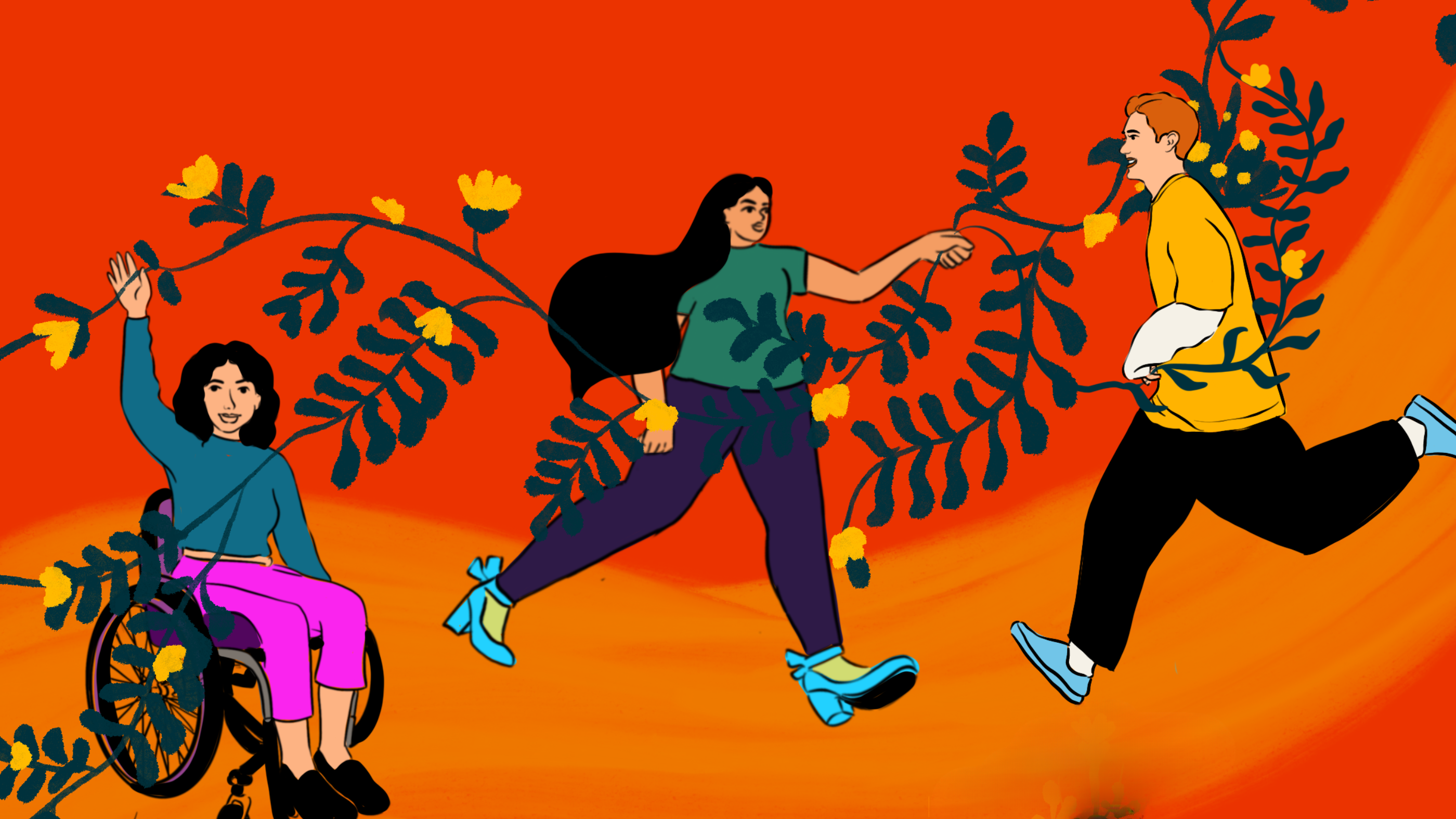
This summary report presents key findings from a mapping exercise on gender-transformative approaches in comprehensive sexuality education. Bringing together educators and organisations from across the European Union, the initiative created space to reflect on practice, exchange experiences and strengthen approaches that place equality, care and human dignity at the heart of relationship and sexuality education. Gender-transformative sexuality education goes beyond raising awareness of inequality. It seeks to challenge harmful gender norms, confront unequal power structures and address discrimination affecting women, girls and people with diverse sexual orientations, gender identities and expressions, and sex characteristics. At a time when sexual and reproductive health and rights face growing resistance across Europe, documenting and sharing effective, values-based practice is both timely and necessary. The report highlights progress at organisational, educator and youth level. Participating organisations strengthened partnerships, policies and advocacy for gender equality. Educators reported greater confidence and capacity to address complex issues – from consent and masculinities to digital narratives shaping young people’s lives. Crucially, learning environments became safer and more inclusive, supporting young people to explore relationships, identity, power and respect in ways that reflect their lived realities. Across diverse political and social contexts, the findings show that gender-transformative education is not only possible, but impactful. It flourishes through collaboration, solidarity and sustained investment in people and communities. By connecting actors across borders, this work reinforces shared European commitments to equality, democracy, freedom and human rights – and underlines the importance of protecting and expanding spaces where young people can learn, reflect and thrive in safety and dignity.
Resource
| 04 December 2025
Holding the Space: Advancing safety and equality through sexuality education
This summary report presents key findings from a mapping exercise on gender-transformative approaches in comprehensive sexuality education. Bringing together educators and organisations from across the European Union, the initiative created space to reflect on practice, exchange experiences and strengthen approaches that place equality, care and human dignity at the heart of relationship and sexuality education. Gender-transformative sexuality education goes beyond raising awareness of inequality. It seeks to challenge harmful gender norms, confront unequal power structures and address discrimination affecting women, girls and people with diverse sexual orientations, gender identities and expressions, and sex characteristics. At a time when sexual and reproductive health and rights face growing resistance across Europe, documenting and sharing effective, values-based practice is both timely and necessary. The report highlights progress at organisational, educator and youth level. Participating organisations strengthened partnerships, policies and advocacy for gender equality. Educators reported greater confidence and capacity to address complex issues – from consent and masculinities to digital narratives shaping young people’s lives. Crucially, learning environments became safer and more inclusive, supporting young people to explore relationships, identity, power and respect in ways that reflect their lived realities. Across diverse political and social contexts, the findings show that gender-transformative education is not only possible, but impactful. It flourishes through collaboration, solidarity and sustained investment in people and communities. By connecting actors across borders, this work reinforces shared European commitments to equality, democracy, freedom and human rights – and underlines the importance of protecting and expanding spaces where young people can learn, reflect and thrive in safety and dignity.
Resource
| 04 February 2026
Report: Youth Preferences for Sexuality Education
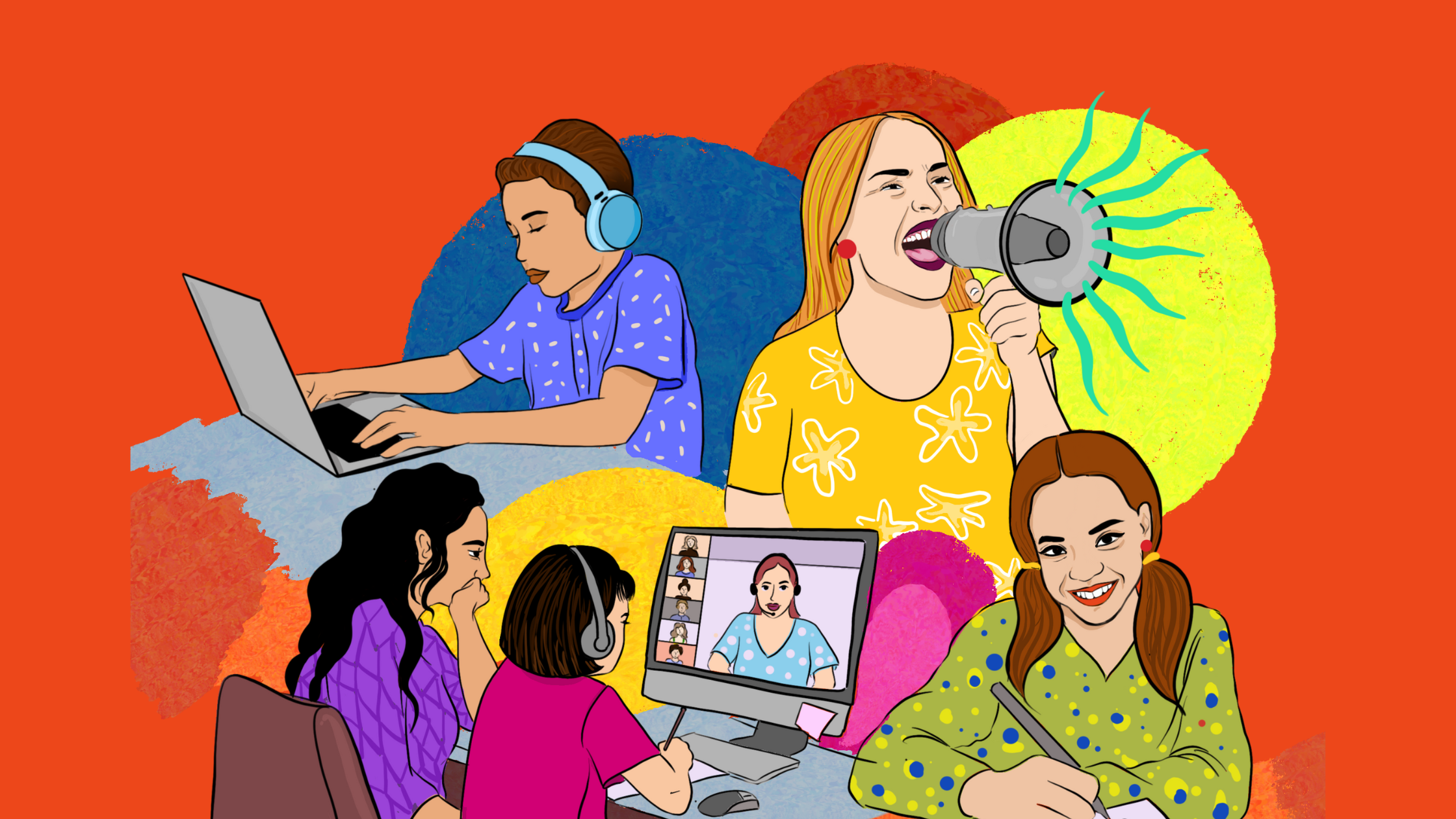
The YSAFE network — IPPF EN's youth activists for sexual and reproductive health and rights in Europe and Central Asia — led a research project into what young people really want from sexuality education. This report presents the key findings of that work. The research responds to a concern consistently raised by youth activists across the region: that too often, sexuality education does not reflect the realities of young people’s lives, while policies are shaped without listening to those most affected. YSAFE set out to change this by generating knowledge and evidence grounded in young people’s own experiences, needs, and expectations. The report explores what and how young people want to learn about relationships and sexuality, as well as where and from whom they prefer to learn. Its findings represent the voices of over 1,500 young people from nine countries — Albania, Cyprus, Georgia, Kazakhstan, Latvia, North Macedonia, Romania, Spain and Sweden — collected through surveys, focus groups and digital research. Download the report to learn more and explore what meaningful, youth-centred sexuality education should look like.
Resource
| 04 February 2026
Report: Youth Preferences for Sexuality Education
The YSAFE network — IPPF EN's youth activists for sexual and reproductive health and rights in Europe and Central Asia — led a research project into what young people really want from sexuality education. This report presents the key findings of that work. The research responds to a concern consistently raised by youth activists across the region: that too often, sexuality education does not reflect the realities of young people’s lives, while policies are shaped without listening to those most affected. YSAFE set out to change this by generating knowledge and evidence grounded in young people’s own experiences, needs, and expectations. The report explores what and how young people want to learn about relationships and sexuality, as well as where and from whom they prefer to learn. Its findings represent the voices of over 1,500 young people from nine countries — Albania, Cyprus, Georgia, Kazakhstan, Latvia, North Macedonia, Romania, Spain and Sweden — collected through surveys, focus groups and digital research. Download the report to learn more and explore what meaningful, youth-centred sexuality education should look like.
Resource
| 21 January 2026
Defending civic space, rights and EU values
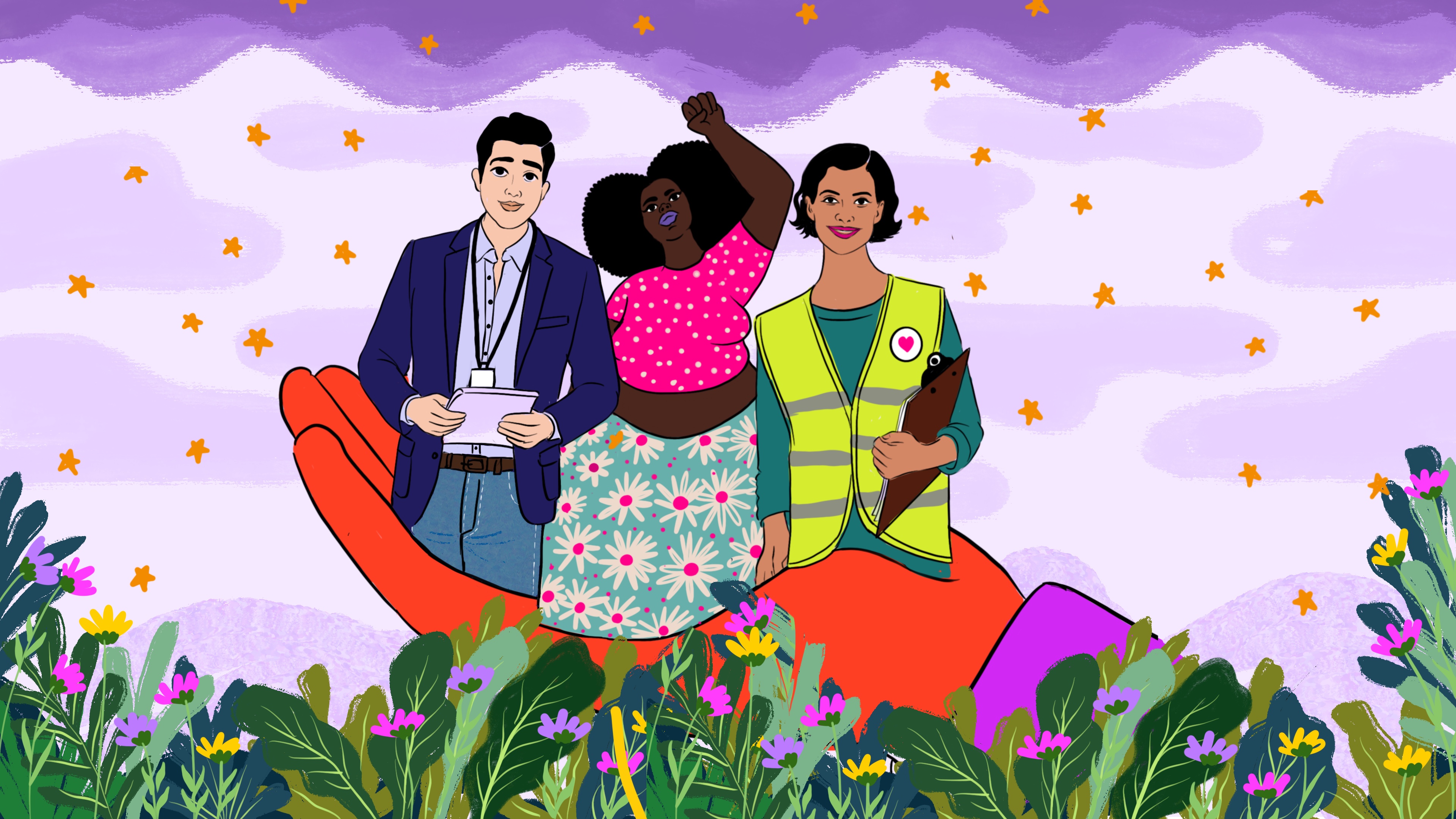
Across Europe, civil society organisations play a vital role in defending democracy, human rights and equality. From protecting sexual and reproductive health and rights (SRHR) and gender equality, to supporting marginalised communities and holding power to account, our work turns EU values into lived realities. At the same time, civic space is under growing pressure. Extremist politicians and anti-rights actors are increasingly targeting civil society, human rights defenders, and the EU frameworks that support them. These attacks seek to take away longstanding, hard-won rights and freedoms, often starting with women and people from marginalised communities. The EU institutions are currently preparing the bloc’s Multiannual Financial Framework (MFF) 2028–2034, determining the future of EU investments in areas like SRHR, gender equality, and support for CSOs. In this context, the resources below highlight the indispensable role civil society plays in protecting rights, advancing equality and keeping democracy resilient. They also show what is at risk when advocacy, funding and civic space are undermined – and why continued EU leadership and support are essential. Defending civil society means defending democracy itself — and ensuring a fairer, freer future for everyone in Europe. Read more about what the MFF means for SRHR, gender equality and civil society funding here.
Resource
| 21 January 2026
Defending civic space, rights and EU values
Across Europe, civil society organisations play a vital role in defending democracy, human rights and equality. From protecting sexual and reproductive health and rights (SRHR) and gender equality, to supporting marginalised communities and holding power to account, our work turns EU values into lived realities. At the same time, civic space is under growing pressure. Extremist politicians and anti-rights actors are increasingly targeting civil society, human rights defenders, and the EU frameworks that support them. These attacks seek to take away longstanding, hard-won rights and freedoms, often starting with women and people from marginalised communities. The EU institutions are currently preparing the bloc’s Multiannual Financial Framework (MFF) 2028–2034, determining the future of EU investments in areas like SRHR, gender equality, and support for CSOs. In this context, the resources below highlight the indispensable role civil society plays in protecting rights, advancing equality and keeping democracy resilient. They also show what is at risk when advocacy, funding and civic space are undermined – and why continued EU leadership and support are essential. Defending civil society means defending democracy itself — and ensuring a fairer, freer future for everyone in Europe. Read more about what the MFF means for SRHR, gender equality and civil society funding here.
Resource
| 19 May 2026
EU Enlargement Report 2026: IPPF EN contribution on sexual and reproductive health and rights and gender equality
IPPF EN and Member Associations from Albania, North Macedonia, Serbia, and Türkiye have created a written input to the EU Enlargement package reflecting developments during the 2025 reporting year within the relevant chapters of the acquis. The report highlights ongoing barriers to sexual and reproductive health and rights (SRHR) and gender equality and provides recommendations to strengthen SRHR as a fundamental set of rights and a precondition for achieving gender equality. Through its annual Enlargement Reports and consultations with civil society organisations (CSOs), the European Commission plays a key role in promoting respect for human rights in candidate countries, as part of the Copenhagen criteria. The findings of these reports are widely used by activists and advocates to advance human rights at local and national levels. This report aims to support the European Commission in assessing developments and the level of protection of SRHR as democracy right in these countries.
Resource
| 19 May 2026
EU Enlargement Report 2026: IPPF EN contribution on sexual and reproductive health and rights and gender equality
IPPF EN and Member Associations from Albania, North Macedonia, Serbia, and Türkiye have created a written input to the EU Enlargement package reflecting developments during the 2025 reporting year within the relevant chapters of the acquis. The report highlights ongoing barriers to sexual and reproductive health and rights (SRHR) and gender equality and provides recommendations to strengthen SRHR as a fundamental set of rights and a precondition for achieving gender equality. Through its annual Enlargement Reports and consultations with civil society organisations (CSOs), the European Commission plays a key role in promoting respect for human rights in candidate countries, as part of the Copenhagen criteria. The findings of these reports are widely used by activists and advocates to advance human rights at local and national levels. This report aims to support the European Commission in assessing developments and the level of protection of SRHR as democracy right in these countries.
Resource
| 18 May 2026
The Upcoming Presidencies: An opportunity to advance gender equality and SRHR
Over the last few years, the EU has been facing many challenges in the realisation of its core values: the rule of law, democracy, human rights, and equality, especially gender equality. Women’s rights and sexual and reproductive health and rights (SRHR) have come under increasing pressure, both within and outside the EU. The upcoming period is an opportunity for the EU to reflect on the direction it wants to take, the values it should stand for, and what more it can do to defend them. The EU should strive towards a world where everyone can enjoy the same rights and lead free and safe lives, free from discrimination, coercion, and violence. In this crossroads moment, the upcoming three Council of the EU Presidencies – Ireland, Lithuania, and Greece – have a critical role to play to uphold EU values. We call on them to adopt a feminist approach and show strong leadership to further advance gender equality and women’s rights, including SRHR, in the EU and beyond.
Resource
| 18 May 2026
The Upcoming Presidencies: An opportunity to advance gender equality and SRHR
Over the last few years, the EU has been facing many challenges in the realisation of its core values: the rule of law, democracy, human rights, and equality, especially gender equality. Women’s rights and sexual and reproductive health and rights (SRHR) have come under increasing pressure, both within and outside the EU. The upcoming period is an opportunity for the EU to reflect on the direction it wants to take, the values it should stand for, and what more it can do to defend them. The EU should strive towards a world where everyone can enjoy the same rights and lead free and safe lives, free from discrimination, coercion, and violence. In this crossroads moment, the upcoming three Council of the EU Presidencies – Ireland, Lithuania, and Greece – have a critical role to play to uphold EU values. We call on them to adopt a feminist approach and show strong leadership to further advance gender equality and women’s rights, including SRHR, in the EU and beyond.
Resource
| 18 May 2026
The Next EU Action Plan on Human Rights and Democracy
Since the adoption of the current Human Rights and Democracy Action Plan (2020-2027), democracy and human rights have been under attack in all regions of the world. In Europe as well as globally, sexual and reproductive health and rights (SRHR) have especially been targeted, with multiple attempts to restrict SRHR, women’s rights, civic space, and the rule of law. When people have access to sexual and reproductive healthcare, information, and comprehensive sexuality education, and when their sexual and reproductive rights are respected, they can make informed choices about their bodies and futures, allowing them to participate in the political, social, and economic lives of their countries and communities. Investing in SRHR, combating coercion and violence, and promoting gender equality therefore strengthens communities, supports inclusive democratic processes, enables broader participation in democratic life, and contributes to protecting other human rights. The next EU Action Plan for Human Rights and Democracy presents a unique opportunity for the EU to recommit to human rights, and in particular SRHR and gender equality, as key EU values and essential components of EU external action. Only by fully and explicitly including SRHR and gender equality in the next Action Plan can the EU achieve its commitments to protect and support human rights and democracy worldwide.
Resource
| 18 May 2026
The Next EU Action Plan on Human Rights and Democracy
Since the adoption of the current Human Rights and Democracy Action Plan (2020-2027), democracy and human rights have been under attack in all regions of the world. In Europe as well as globally, sexual and reproductive health and rights (SRHR) have especially been targeted, with multiple attempts to restrict SRHR, women’s rights, civic space, and the rule of law. When people have access to sexual and reproductive healthcare, information, and comprehensive sexuality education, and when their sexual and reproductive rights are respected, they can make informed choices about their bodies and futures, allowing them to participate in the political, social, and economic lives of their countries and communities. Investing in SRHR, combating coercion and violence, and promoting gender equality therefore strengthens communities, supports inclusive democratic processes, enables broader participation in democratic life, and contributes to protecting other human rights. The next EU Action Plan for Human Rights and Democracy presents a unique opportunity for the EU to recommit to human rights, and in particular SRHR and gender equality, as key EU values and essential components of EU external action. Only by fully and explicitly including SRHR and gender equality in the next Action Plan can the EU achieve its commitments to protect and support human rights and democracy worldwide.
Resource
| 03 March 2026
Holding the Space: Advancing safety and equality through sexuality education
This summary report presents key findings from a mapping exercise on gender-transformative approaches in comprehensive sexuality education. Bringing together educators and organisations from across the European Union, the initiative created space to reflect on practice, exchange experiences and strengthen approaches that place equality, care and human dignity at the heart of relationship and sexuality education. Gender-transformative sexuality education goes beyond raising awareness of inequality. It seeks to challenge harmful gender norms, confront unequal power structures and address discrimination affecting women, girls and people with diverse sexual orientations, gender identities and expressions, and sex characteristics. At a time when sexual and reproductive health and rights face growing resistance across Europe, documenting and sharing effective, values-based practice is both timely and necessary. The report highlights progress at organisational, educator and youth level. Participating organisations strengthened partnerships, policies and advocacy for gender equality. Educators reported greater confidence and capacity to address complex issues – from consent and masculinities to digital narratives shaping young people’s lives. Crucially, learning environments became safer and more inclusive, supporting young people to explore relationships, identity, power and respect in ways that reflect their lived realities. Across diverse political and social contexts, the findings show that gender-transformative education is not only possible, but impactful. It flourishes through collaboration, solidarity and sustained investment in people and communities. By connecting actors across borders, this work reinforces shared European commitments to equality, democracy, freedom and human rights – and underlines the importance of protecting and expanding spaces where young people can learn, reflect and thrive in safety and dignity.
Resource
| 04 December 2025
Holding the Space: Advancing safety and equality through sexuality education
This summary report presents key findings from a mapping exercise on gender-transformative approaches in comprehensive sexuality education. Bringing together educators and organisations from across the European Union, the initiative created space to reflect on practice, exchange experiences and strengthen approaches that place equality, care and human dignity at the heart of relationship and sexuality education. Gender-transformative sexuality education goes beyond raising awareness of inequality. It seeks to challenge harmful gender norms, confront unequal power structures and address discrimination affecting women, girls and people with diverse sexual orientations, gender identities and expressions, and sex characteristics. At a time when sexual and reproductive health and rights face growing resistance across Europe, documenting and sharing effective, values-based practice is both timely and necessary. The report highlights progress at organisational, educator and youth level. Participating organisations strengthened partnerships, policies and advocacy for gender equality. Educators reported greater confidence and capacity to address complex issues – from consent and masculinities to digital narratives shaping young people’s lives. Crucially, learning environments became safer and more inclusive, supporting young people to explore relationships, identity, power and respect in ways that reflect their lived realities. Across diverse political and social contexts, the findings show that gender-transformative education is not only possible, but impactful. It flourishes through collaboration, solidarity and sustained investment in people and communities. By connecting actors across borders, this work reinforces shared European commitments to equality, democracy, freedom and human rights – and underlines the importance of protecting and expanding spaces where young people can learn, reflect and thrive in safety and dignity.
Resource
| 04 February 2026
Report: Youth Preferences for Sexuality Education
The YSAFE network — IPPF EN's youth activists for sexual and reproductive health and rights in Europe and Central Asia — led a research project into what young people really want from sexuality education. This report presents the key findings of that work. The research responds to a concern consistently raised by youth activists across the region: that too often, sexuality education does not reflect the realities of young people’s lives, while policies are shaped without listening to those most affected. YSAFE set out to change this by generating knowledge and evidence grounded in young people’s own experiences, needs, and expectations. The report explores what and how young people want to learn about relationships and sexuality, as well as where and from whom they prefer to learn. Its findings represent the voices of over 1,500 young people from nine countries — Albania, Cyprus, Georgia, Kazakhstan, Latvia, North Macedonia, Romania, Spain and Sweden — collected through surveys, focus groups and digital research. Download the report to learn more and explore what meaningful, youth-centred sexuality education should look like.
Resource
| 04 February 2026
Report: Youth Preferences for Sexuality Education
The YSAFE network — IPPF EN's youth activists for sexual and reproductive health and rights in Europe and Central Asia — led a research project into what young people really want from sexuality education. This report presents the key findings of that work. The research responds to a concern consistently raised by youth activists across the region: that too often, sexuality education does not reflect the realities of young people’s lives, while policies are shaped without listening to those most affected. YSAFE set out to change this by generating knowledge and evidence grounded in young people’s own experiences, needs, and expectations. The report explores what and how young people want to learn about relationships and sexuality, as well as where and from whom they prefer to learn. Its findings represent the voices of over 1,500 young people from nine countries — Albania, Cyprus, Georgia, Kazakhstan, Latvia, North Macedonia, Romania, Spain and Sweden — collected through surveys, focus groups and digital research. Download the report to learn more and explore what meaningful, youth-centred sexuality education should look like.
Resource
| 21 January 2026
Defending civic space, rights and EU values
Across Europe, civil society organisations play a vital role in defending democracy, human rights and equality. From protecting sexual and reproductive health and rights (SRHR) and gender equality, to supporting marginalised communities and holding power to account, our work turns EU values into lived realities. At the same time, civic space is under growing pressure. Extremist politicians and anti-rights actors are increasingly targeting civil society, human rights defenders, and the EU frameworks that support them. These attacks seek to take away longstanding, hard-won rights and freedoms, often starting with women and people from marginalised communities. The EU institutions are currently preparing the bloc’s Multiannual Financial Framework (MFF) 2028–2034, determining the future of EU investments in areas like SRHR, gender equality, and support for CSOs. In this context, the resources below highlight the indispensable role civil society plays in protecting rights, advancing equality and keeping democracy resilient. They also show what is at risk when advocacy, funding and civic space are undermined – and why continued EU leadership and support are essential. Defending civil society means defending democracy itself — and ensuring a fairer, freer future for everyone in Europe. Read more about what the MFF means for SRHR, gender equality and civil society funding here.
Resource
| 21 January 2026
Defending civic space, rights and EU values
Across Europe, civil society organisations play a vital role in defending democracy, human rights and equality. From protecting sexual and reproductive health and rights (SRHR) and gender equality, to supporting marginalised communities and holding power to account, our work turns EU values into lived realities. At the same time, civic space is under growing pressure. Extremist politicians and anti-rights actors are increasingly targeting civil society, human rights defenders, and the EU frameworks that support them. These attacks seek to take away longstanding, hard-won rights and freedoms, often starting with women and people from marginalised communities. The EU institutions are currently preparing the bloc’s Multiannual Financial Framework (MFF) 2028–2034, determining the future of EU investments in areas like SRHR, gender equality, and support for CSOs. In this context, the resources below highlight the indispensable role civil society plays in protecting rights, advancing equality and keeping democracy resilient. They also show what is at risk when advocacy, funding and civic space are undermined – and why continued EU leadership and support are essential. Defending civil society means defending democracy itself — and ensuring a fairer, freer future for everyone in Europe. Read more about what the MFF means for SRHR, gender equality and civil society funding here.
