



programme
| 01 June 2023
Youth Voices, Youth Choices
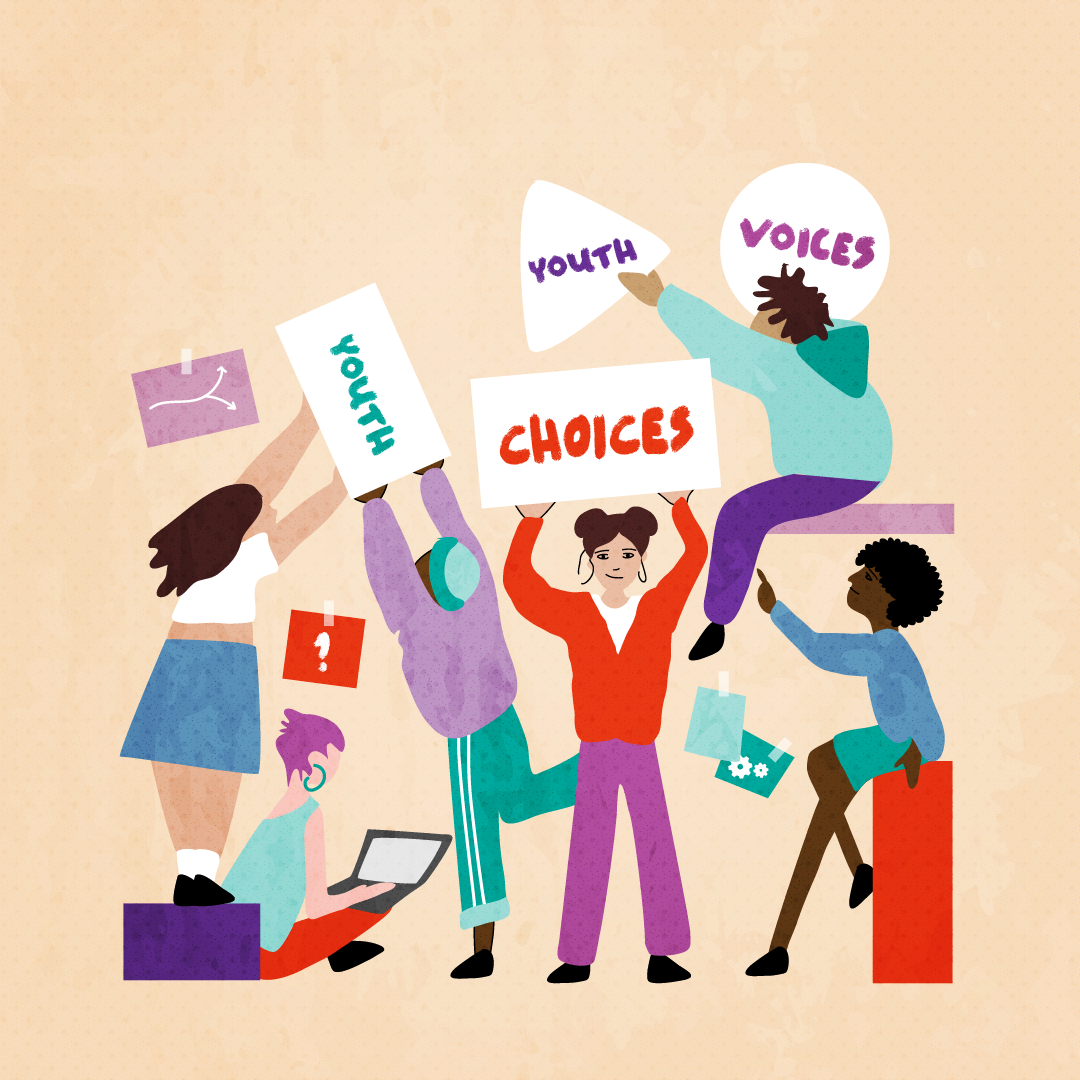
Young people and groups with vulnerabilities in the Western Balkans face a great many barriers to accessing sexual and reproductive healthcare. Throughout the COVID-19 pandemic, they bore the brunt of additional obstacles to accessing information, support and care. COVID-19 demonstrated how fragile national health systems are and highlighted countries’ unpreparedness to deal with health emergencies. But it also stimulated creativity by civil society and other actors to counter these barriers, with digital outreach and support playing an expanding, crucial role. Youth Voices, Youth Choices is a project dedicated to learning from the COVID-19 experience in the Western Balkans to ensure sexual and reproductive health services, information and education become more accessible and youth-friendly in the long term, especially for marginalised groups. Running from 2020 until 2023, it brings together IPPF members and partners in Albania, Bosnia and Herzegovina, Bulgaria, North Macedonia and Kosovo, supported by IPPF EN’s Regional Office. Project partners have conducted research into the impact of the pandemic on young people’s SRH needs and access to services and information, and the role of integrated digital services, with a focus on communities living in remote areas and unfavourable social conditions. They are sharing good practices and empowering young people as campaigners and advocates using digital and offline education tools. And working in multi-stakeholder partnerships, they are developing policy recommendations to support advocacy and youth-led campaigns for stronger health systems and increased access to care, in and beyond emergency situations. In October 2022, IPPF EN launched a set of regional policy recommendations based on our research into how the pandemic affected young people. All partners also created national recommendations. Collectively, we built upon these through regional and national advocacy campaigns and actions. Check out our YVYC resources page! Take a look at our series of interviews carried out by young people with their peers on how COVID affected their access to SRHR information, education and care, and their vision for the future. RESEARCH REPORT As a basis for this work, in 2021 and early 2022, we conducted a study to provide us with a clearer picture of the impact of the pandemic on young people’s SRHR. The data was published in a series of reports presenting the findings of the study, carried out by and among youth in five Balkan countries. The reports, available for download below, document young people’s SRH needs and experiences and the perspectives of healthcare providers and other relevant stakeholders on these needs. They also capture the latter’s needs as they deliver services, information and education to young people, building on their experience of COVID-19. POLICY RECOMMENDATIONS In October 2022, IPPF EN launched a set of regional policy recommendations that call on decision-makers to listen to young people and uphold their SRHR as they build back health and social systems in the wake of the pandemic. Presented at the European Parliament on 26 October by youth advocates and experts, with the support of MEP Fred Matić, the recommendations were developed by a group of specialists who came together to develop a blueprint for designing systems that prioritise access to youth-friendly SRH care, and better support of young people’s health and well-being. The policy recommendations are available for download below. The policy recommendations were used to set advocacy priorities for further actions and campaigning. YOUTH VOICES Young people are at the heart of this work: as researchers, as members of the expert groups that developed policy recommendations, and as advocates and campaigners for change. They were also in the lead at the 'Healthy Youth – Healthy Future' multi-stakeholder meeting in Tirana in spring 2023, where youth representatives and staff from our partner organisations came together with decision-makers and experts from the field - see Tirana joint declaration on protecting the health and social wellbeing of young people. The young participants presented advocacy campaigns carried out at regional and national levels, and shared their needs and experiences at an event held in the Albanian parliament. For more information about this work, please contact us at: [email protected] This work is funded by MSD for Mothers.
programme
| 01 June 2023
Youth Voices, Youth Choices
Young people and groups with vulnerabilities in the Western Balkans face a great many barriers to accessing sexual and reproductive healthcare. Throughout the COVID-19 pandemic, they bore the brunt of additional obstacles to accessing information, support and care. COVID-19 demonstrated how fragile national health systems are and highlighted countries’ unpreparedness to deal with health emergencies. But it also stimulated creativity by civil society and other actors to counter these barriers, with digital outreach and support playing an expanding, crucial role. Youth Voices, Youth Choices is a project dedicated to learning from the COVID-19 experience in the Western Balkans to ensure sexual and reproductive health services, information and education become more accessible and youth-friendly in the long term, especially for marginalised groups. Running from 2020 until 2023, it brings together IPPF members and partners in Albania, Bosnia and Herzegovina, Bulgaria, North Macedonia and Kosovo, supported by IPPF EN’s Regional Office. Project partners have conducted research into the impact of the pandemic on young people’s SRH needs and access to services and information, and the role of integrated digital services, with a focus on communities living in remote areas and unfavourable social conditions. They are sharing good practices and empowering young people as campaigners and advocates using digital and offline education tools. And working in multi-stakeholder partnerships, they are developing policy recommendations to support advocacy and youth-led campaigns for stronger health systems and increased access to care, in and beyond emergency situations. In October 2022, IPPF EN launched a set of regional policy recommendations based on our research into how the pandemic affected young people. All partners also created national recommendations. Collectively, we built upon these through regional and national advocacy campaigns and actions. Check out our YVYC resources page! Take a look at our series of interviews carried out by young people with their peers on how COVID affected their access to SRHR information, education and care, and their vision for the future. RESEARCH REPORT As a basis for this work, in 2021 and early 2022, we conducted a study to provide us with a clearer picture of the impact of the pandemic on young people’s SRHR. The data was published in a series of reports presenting the findings of the study, carried out by and among youth in five Balkan countries. The reports, available for download below, document young people’s SRH needs and experiences and the perspectives of healthcare providers and other relevant stakeholders on these needs. They also capture the latter’s needs as they deliver services, information and education to young people, building on their experience of COVID-19. POLICY RECOMMENDATIONS In October 2022, IPPF EN launched a set of regional policy recommendations that call on decision-makers to listen to young people and uphold their SRHR as they build back health and social systems in the wake of the pandemic. Presented at the European Parliament on 26 October by youth advocates and experts, with the support of MEP Fred Matić, the recommendations were developed by a group of specialists who came together to develop a blueprint for designing systems that prioritise access to youth-friendly SRH care, and better support of young people’s health and well-being. The policy recommendations are available for download below. The policy recommendations were used to set advocacy priorities for further actions and campaigning. YOUTH VOICES Young people are at the heart of this work: as researchers, as members of the expert groups that developed policy recommendations, and as advocates and campaigners for change. They were also in the lead at the 'Healthy Youth – Healthy Future' multi-stakeholder meeting in Tirana in spring 2023, where youth representatives and staff from our partner organisations came together with decision-makers and experts from the field - see Tirana joint declaration on protecting the health and social wellbeing of young people. The young participants presented advocacy campaigns carried out at regional and national levels, and shared their needs and experiences at an event held in the Albanian parliament. For more information about this work, please contact us at: [email protected] This work is funded by MSD for Mothers.
programme
| 05 May 2022
Protecting EU Rights and Values
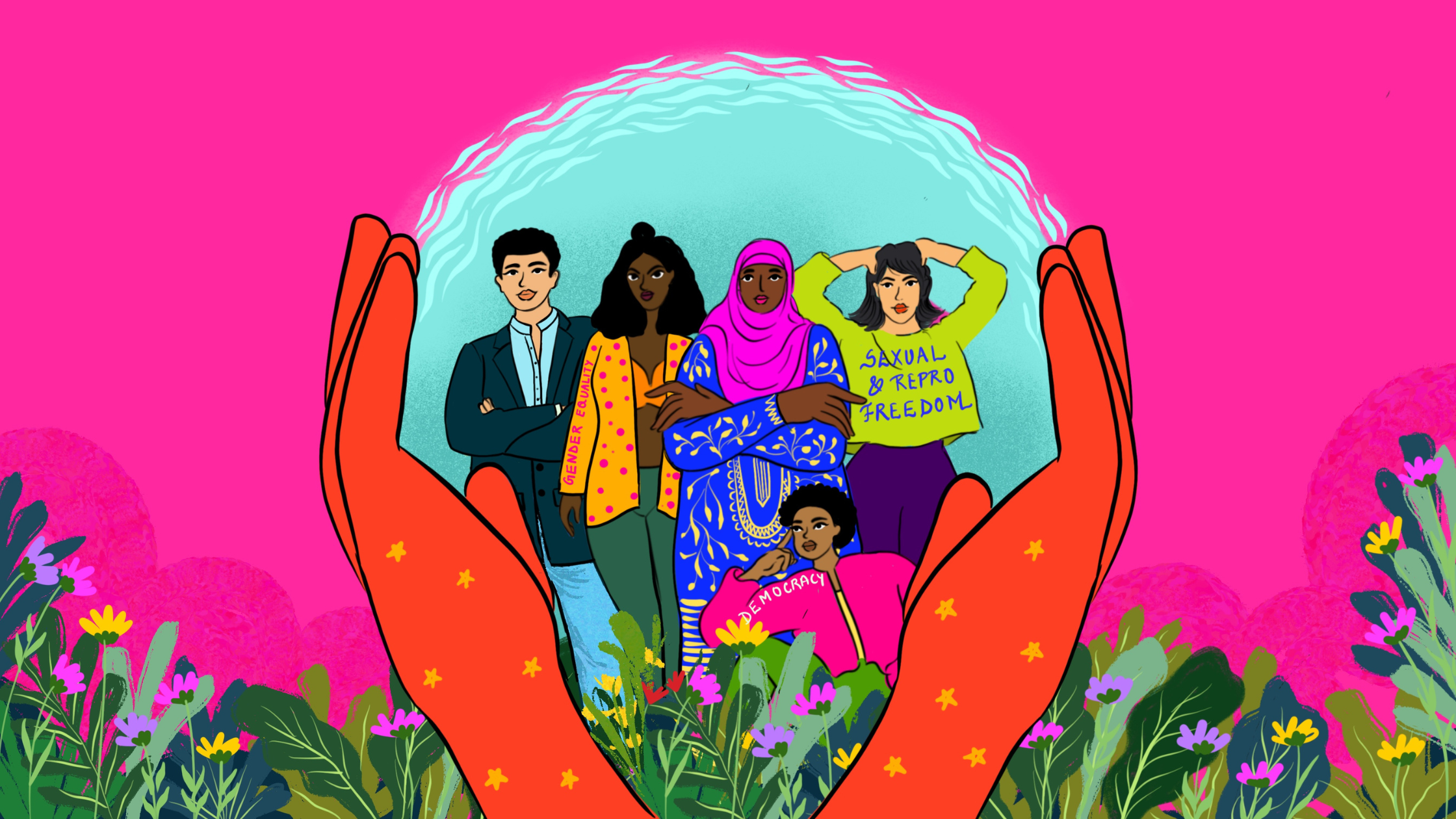
Gender inequality and harmful gender norms remain widespread in the EU. While sexual and reproductive health and rights are at the core of gender equality and women’s rights and empowerment, their attainment varies greatly from country to country. Women and girls, particularly those marginalised by systemic oppression, face significant barriers to sexual and reproductive healthcare, information and education, which violates their human rights and hinders progress towards gender equality. Discourse from anti-rights movements continues to undermine the significant progress achieved in safeguarding SRHR and threatens many of the rights and values that the EU aims to protect. It is in this context that IPPF EN, together with its Member Associations (MAs) and partners, is working to progress towards a more gender equal world where people in all their diversity are released from harmful gender norms and fully empowered to make decisions over their lives and bodies. We are working to strengthen support in the EU institutions and Member States for gender equality and women’s rights by: Increasing engagement and capacity of civil society actors to act in a strategic and coordinated manner when promoting gender equality and women’s rights. Ensuring that policy and decision makers at all levels (EU, national and local) are creating progressive legislative and policy frameworks that protect and advance gender equality and women’s rights, including SRHR within the EU. Educating and empowering young people, as a new generation of EU citizens, to become leaders and drivers of the long-term change process needed around societal norms and behaviours that advances gender equality, eliminates harmful gender stereotypes and intersectional discrimination, and prevents sexual and gender-based violence (SGBV). Strengthening the technical and organisational capacity of IPPF EN members and partners to design, implement and sustain intersectional, gender transformative initiatives. 2025 MAIN ACHIEVEMENTS In 2025, under the CERV programme, IPPF EN collaborated with EU-based MAs and Collaborative Partners (CPs) to: Strengthen the resilience, preparedness and coordination of SRHR organisations through the development and piloting of safety and security tools, crisis communications scenario-based workshops and tools developments, and targeted support through peer-to-peer sharing and community of practice. Share expertise with and build the capacity of MAs and CPs to strengthen their involvement in EU processes around gender equality, and women’s rights including SRHR; and provide them with support and solidarity actions when SRHR were under threat in their national contexts. In 2025, IPPF EN in collaboration with the MAs and CPs contributed to a total of 46 advocacy wins, and of these 26 were at national level. Finalize the four-year initiative on the impact of gender-transformative sexuality and relationships education on young people’s attitudes and behaviours related to gender equality and SGBV. Conducted in schools in the Porto, Portugal, the project combined three phases: a baseline study, a school-based intervention testing a gender-transformative programme, and a follow-up assessing longer-term impacts on students and teachers. Despite the challenges, the study demonstrated that schools can be powerful lever for cultural change when properly supported. Some of the long-term results of this study include; The creation of safe spaces: The participatory design of the programme created safe spaces for collective reflection and discussion on SGBV, gender, and sexual diversity. Pedagogical tools proved effective in addressing sensitive topics and fostering student engagement. Increased knowledge and confidence among teachers: Teachers reported increased knowledge, confidence, and competence to integrate gender equality, sexual diversity, and SGBV prevention into their teaching practice. Interpersonal relationships and communication: Positive effects were observed in the students’ interpersonal relationships and communication, including greater respect, openness, and sensitivity in classroom interactions. The programme contributed to long-term cognitive change, particularly in students’ understanding of gender diversity, male privilege, and power dynamics in SGBV. Reinforce the technical and organizational capacity of MAs and CPs through the implementation of gender assessments and the development of action plans, as well as the implementation of collaboration activities, strategy alignment and accreditation. The gender assessment toolkit has proven to be useful in bringing a critical self-reflection on an organisation’s work, increasing their knowledge and awareness of gender equality, intersectionality and tailored gender transformative approaches. You can read more about our work and impact in IPPF EN's Annual Report 2025.
programme
| 05 May 2022
Protecting EU Rights and Values
Gender inequality and harmful gender norms remain widespread in the EU. While sexual and reproductive health and rights are at the core of gender equality and women’s rights and empowerment, their attainment varies greatly from country to country. Women and girls, particularly those marginalised by systemic oppression, face significant barriers to sexual and reproductive healthcare, information and education, which violates their human rights and hinders progress towards gender equality. Discourse from anti-rights movements continues to undermine the significant progress achieved in safeguarding SRHR and threatens many of the rights and values that the EU aims to protect. It is in this context that IPPF EN, together with its Member Associations (MAs) and partners, is working to progress towards a more gender equal world where people in all their diversity are released from harmful gender norms and fully empowered to make decisions over their lives and bodies. We are working to strengthen support in the EU institutions and Member States for gender equality and women’s rights by: Increasing engagement and capacity of civil society actors to act in a strategic and coordinated manner when promoting gender equality and women’s rights. Ensuring that policy and decision makers at all levels (EU, national and local) are creating progressive legislative and policy frameworks that protect and advance gender equality and women’s rights, including SRHR within the EU. Educating and empowering young people, as a new generation of EU citizens, to become leaders and drivers of the long-term change process needed around societal norms and behaviours that advances gender equality, eliminates harmful gender stereotypes and intersectional discrimination, and prevents sexual and gender-based violence (SGBV). Strengthening the technical and organisational capacity of IPPF EN members and partners to design, implement and sustain intersectional, gender transformative initiatives. 2025 MAIN ACHIEVEMENTS In 2025, under the CERV programme, IPPF EN collaborated with EU-based MAs and Collaborative Partners (CPs) to: Strengthen the resilience, preparedness and coordination of SRHR organisations through the development and piloting of safety and security tools, crisis communications scenario-based workshops and tools developments, and targeted support through peer-to-peer sharing and community of practice. Share expertise with and build the capacity of MAs and CPs to strengthen their involvement in EU processes around gender equality, and women’s rights including SRHR; and provide them with support and solidarity actions when SRHR were under threat in their national contexts. In 2025, IPPF EN in collaboration with the MAs and CPs contributed to a total of 46 advocacy wins, and of these 26 were at national level. Finalize the four-year initiative on the impact of gender-transformative sexuality and relationships education on young people’s attitudes and behaviours related to gender equality and SGBV. Conducted in schools in the Porto, Portugal, the project combined three phases: a baseline study, a school-based intervention testing a gender-transformative programme, and a follow-up assessing longer-term impacts on students and teachers. Despite the challenges, the study demonstrated that schools can be powerful lever for cultural change when properly supported. Some of the long-term results of this study include; The creation of safe spaces: The participatory design of the programme created safe spaces for collective reflection and discussion on SGBV, gender, and sexual diversity. Pedagogical tools proved effective in addressing sensitive topics and fostering student engagement. Increased knowledge and confidence among teachers: Teachers reported increased knowledge, confidence, and competence to integrate gender equality, sexual diversity, and SGBV prevention into their teaching practice. Interpersonal relationships and communication: Positive effects were observed in the students’ interpersonal relationships and communication, including greater respect, openness, and sensitivity in classroom interactions. The programme contributed to long-term cognitive change, particularly in students’ understanding of gender diversity, male privilege, and power dynamics in SGBV. Reinforce the technical and organizational capacity of MAs and CPs through the implementation of gender assessments and the development of action plans, as well as the implementation of collaboration activities, strategy alignment and accreditation. The gender assessment toolkit has proven to be useful in bringing a critical self-reflection on an organisation’s work, increasing their knowledge and awareness of gender equality, intersectionality and tailored gender transformative approaches. You can read more about our work and impact in IPPF EN's Annual Report 2025.
programme
| 14 January 2022
Movement Accelerator Programme
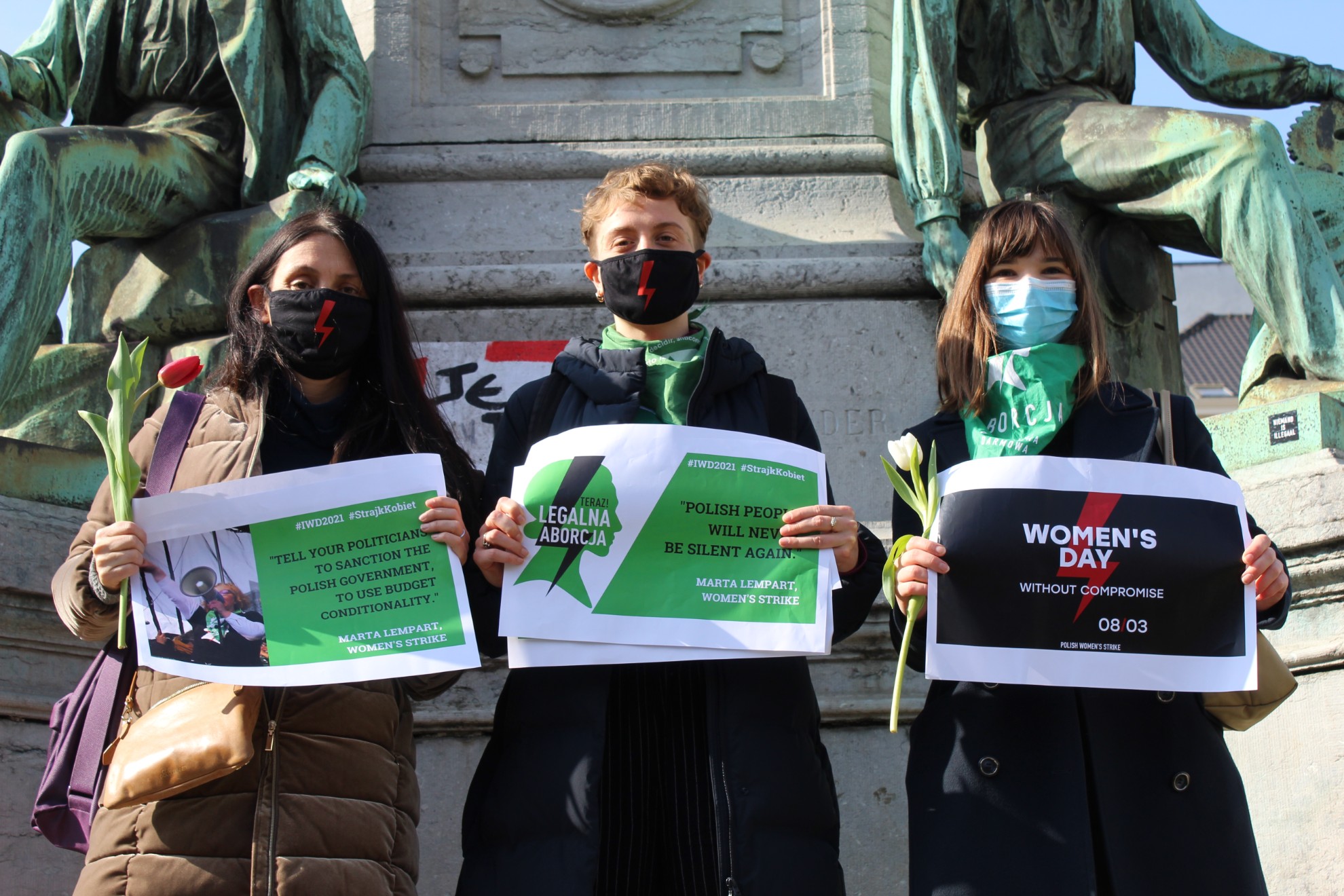
IPPF EN established its Movement Accelerator Programme (MAP) in 2019 in response to the proliferation of attacks across Europe and Central Asia over many years on gender, equality and women’s rights. The EN MAP focuses on strengthening the strategic communication and mobilisation capacities of organisations and social movements in several European countries. Our goal is to work with and learn from diverse groups of actors, and to support with the knowledge-sharing, solidarity and resourcing needed to help fight back against attempts to control women’s bodies, and to accelerate social and political change. The activities that we carry out or support through the EN MAP include research into values and attitudes to provide a basis for strategic communication; development, testing and employment of new and powerful context-specific narratives and strategies; monitoring of harmful anti-rights discourses; and support of grassroots social movements, including capacity sharing and provision of grants for strategic initiatives, and generating international solidarity and visibility for national human right defenders and the causes they fight for. Since 2019, IPPF EN has hosted IPPF’s global Winning Narratives Centre, a multi-stakeholder initiative to accelerate impact on social and political change through the sharing of resources, learning and expertise. The Winning Narratives Centre has at its heart a community of practice that connects activists and organisations from around the world with academics, consultants and creative and research agencies to develop, contextualise and test powerful new narratives. It is currently supporting partners in Europe, Africa, Asia, the Americas and the Pacific to pilot values-based communication strategies.
programme
| 14 January 2022
Movement Accelerator Programme
IPPF EN established its Movement Accelerator Programme (MAP) in 2019 in response to the proliferation of attacks across Europe and Central Asia over many years on gender, equality and women’s rights. The EN MAP focuses on strengthening the strategic communication and mobilisation capacities of organisations and social movements in several European countries. Our goal is to work with and learn from diverse groups of actors, and to support with the knowledge-sharing, solidarity and resourcing needed to help fight back against attempts to control women’s bodies, and to accelerate social and political change. The activities that we carry out or support through the EN MAP include research into values and attitudes to provide a basis for strategic communication; development, testing and employment of new and powerful context-specific narratives and strategies; monitoring of harmful anti-rights discourses; and support of grassroots social movements, including capacity sharing and provision of grants for strategic initiatives, and generating international solidarity and visibility for national human right defenders and the causes they fight for. Since 2019, IPPF EN has hosted IPPF’s global Winning Narratives Centre, a multi-stakeholder initiative to accelerate impact on social and political change through the sharing of resources, learning and expertise. The Winning Narratives Centre has at its heart a community of practice that connects activists and organisations from around the world with academics, consultants and creative and research agencies to develop, contextualise and test powerful new narratives. It is currently supporting partners in Europe, Africa, Asia, the Americas and the Pacific to pilot values-based communication strategies.
programme
| 14 January 2022
Safe from Sexual and Gender-Based Violence
Our 2019-2021 project addresses sexual and gender-based violence (SGBV) as a barrier to the social inclusion of young people. We know well that the groups who are already the most marginalized in Europe are also those who are most at risk of SGBV. YSAFE, IPPF EN’s regional youth network, formed a coalition to take action, joining forces in Portugal, Serbia and Romania with three community-focused organizations engaged in supporting young LGBTQ* people, young Roma people, and young women and others at risk of gender-based discrimination. Together, we have produced a comprehensive toolkit including 38 full new workshop plans and thorough advice on combining them into an appropriate series to respond to a target group's needs. It covers all major current SGBV issues, including SGBV topics that are often left behind in classical sexuality education. There is extensive guidance on how to deliver the toolkit workshops digitally as well as in person, and new monitoring and evaluation tools to measure the effectiveness of the toolkit activities when they are used online. We analysed the effect of our piloting on over 320 young people and have proven that our tool delivers real impact in shifting attitudes and increasing competencies around recognizing and preventing SGBV. Young educators in the three countries have had their capacities raised to deliver workshops using the toolkit, and our dissemination activities have resulted in many more organizations in the EU and beyond incorporating the new toolkit into their existing programme of educational activities. You can learn more about the process and its results directly from some of the young people involved, who collaborated on a mini-series of episodes of YSAFE’s podcast.
programme
| 14 January 2022
Safe from Sexual and Gender-Based Violence
Our 2019-2021 project addresses sexual and gender-based violence (SGBV) as a barrier to the social inclusion of young people. We know well that the groups who are already the most marginalized in Europe are also those who are most at risk of SGBV. YSAFE, IPPF EN’s regional youth network, formed a coalition to take action, joining forces in Portugal, Serbia and Romania with three community-focused organizations engaged in supporting young LGBTQ* people, young Roma people, and young women and others at risk of gender-based discrimination. Together, we have produced a comprehensive toolkit including 38 full new workshop plans and thorough advice on combining them into an appropriate series to respond to a target group's needs. It covers all major current SGBV issues, including SGBV topics that are often left behind in classical sexuality education. There is extensive guidance on how to deliver the toolkit workshops digitally as well as in person, and new monitoring and evaluation tools to measure the effectiveness of the toolkit activities when they are used online. We analysed the effect of our piloting on over 320 young people and have proven that our tool delivers real impact in shifting attitudes and increasing competencies around recognizing and preventing SGBV. Young educators in the three countries have had their capacities raised to deliver workshops using the toolkit, and our dissemination activities have resulted in many more organizations in the EU and beyond incorporating the new toolkit into their existing programme of educational activities. You can learn more about the process and its results directly from some of the young people involved, who collaborated on a mini-series of episodes of YSAFE’s podcast.

programme
| 14 January 2022
Sharing Innovations
YSAFE, IPPF EN’s youth network, created the project “Sharing Innovations” as a response to the Covid-19 lockdowns and the impact they had on the delivery of relationship and sexuality education (RSE). It is an Erasmus+ project aiming to improve access to sexuality education online. We are collaborating with seven national sexual and reproductive health and rights organizations (IPPF EN members in Portugal, Cyprus, Estonia, Spain, North Macedonia, Latvia, Serbia) and the End FGM EU network to create a new set of guidelines on delivering safe and effective digital sexuality education. It will incorporate everything that we have learned during the first year of the pandemic about pivoting quickly to online RSE delivery into a user-friendly tool. Young sexuality educators will be testing the tool out in 6-month programmes of activities they will design themselves, focused on different national priorities around sexual and gender-based violence (SGBV) prevention. We expect the results to be published in the summer of 2022.
programme
| 14 January 2022
Sharing Innovations
YSAFE, IPPF EN’s youth network, created the project “Sharing Innovations” as a response to the Covid-19 lockdowns and the impact they had on the delivery of relationship and sexuality education (RSE). It is an Erasmus+ project aiming to improve access to sexuality education online. We are collaborating with seven national sexual and reproductive health and rights organizations (IPPF EN members in Portugal, Cyprus, Estonia, Spain, North Macedonia, Latvia, Serbia) and the End FGM EU network to create a new set of guidelines on delivering safe and effective digital sexuality education. It will incorporate everything that we have learned during the first year of the pandemic about pivoting quickly to online RSE delivery into a user-friendly tool. Young sexuality educators will be testing the tool out in 6-month programmes of activities they will design themselves, focused on different national priorities around sexual and gender-based violence (SGBV) prevention. We expect the results to be published in the summer of 2022.
programme
| 14 January 2022
Youth SpectActors
The Youth SpectActors project, implemented in Serbia, Romania, Latvia and Estonia, addresses the root causes of gender-based violence (GBV), namely traditional patriarchal systems based on harmful and rigid gender norms around masculinity and femininity, gender-based discrimination and unequal power relations. Young people are at the centre of our intervention, because of the far-reaching impact of GBV in their lives – as survivors, perpetrators, or bystanders. We believe that young people have a key role they play as change agents. To this end we run theatre-based workshops where boys and girls who participate literally walk in one another's shoes to help challenge and dismantle 'gender roles'. Gender roles are merely roles that we are playing all our lives, and this is why playing them on the stage makes perfect sense. By dismantling archaic stereotypes, we can foster equality and prevent violence and coercion within relationships. Relationship and sexuality education, in school settings and outside, plays a key role in ensuring the safe emotional and physical development of young people. This project was funded by the European Union’s Rights, Equality and Citizenship Programme (REC 2014-2020).
programme
| 14 January 2022
Youth SpectActors
The Youth SpectActors project, implemented in Serbia, Romania, Latvia and Estonia, addresses the root causes of gender-based violence (GBV), namely traditional patriarchal systems based on harmful and rigid gender norms around masculinity and femininity, gender-based discrimination and unequal power relations. Young people are at the centre of our intervention, because of the far-reaching impact of GBV in their lives – as survivors, perpetrators, or bystanders. We believe that young people have a key role they play as change agents. To this end we run theatre-based workshops where boys and girls who participate literally walk in one another's shoes to help challenge and dismantle 'gender roles'. Gender roles are merely roles that we are playing all our lives, and this is why playing them on the stage makes perfect sense. By dismantling archaic stereotypes, we can foster equality and prevent violence and coercion within relationships. Relationship and sexuality education, in school settings and outside, plays a key role in ensuring the safe emotional and physical development of young people. This project was funded by the European Union’s Rights, Equality and Citizenship Programme (REC 2014-2020).