



Gender equality is a human right. It is also essential for eradicating poverty and improving the lives of future generations. Gender equality is at the heart of all our programming and advocacy work. IPPF pushes for legal and policy reforms which combat female genital mutilation (FGM), early forced marriage and other forms of gender discrimination.
Articles about Gender equality

19 June 2025
EU must support progress on SRHR through future EU Gender Equality and LGBTIQ Equality Strategies
An open letter to EU Member States: Support the advancement of SRHR through the future EU Gender Equality and LGBTIQ Equality Strategies As Equality Ministers prepare to gather at the ‘Equality, Europe!’ Conference on 23 June under the Polish EU Presidency, to discuss the future EU Gender Equality and LGBTIQ Equality Strategies for the next five years, IPPF EN and its Member Associations across the EU urge Member States to demonstrate bold leadership and unwavering commitment to women’s rights, sexual and reproductive health and rights (SRHR), and LGBTIQ rights. Europe faces mounting pressure on democracy and a backlash against gender equality. The urgency for bold and unified EU action has never been greater. Regressive forces threaten to roll back decades of progress, particularly targeting the bodily autonomy and dignity of women and LGBTIQ persons. We are witnessing rising attacks on reproductive rights, increasing barriers to care and shrinking civic space in several Member States and at the EU level. Against this backdrop, we call on Member States to champion strong, forward-looking Gender Equality and LGBTIQ Equality Strategies post-2025, and to endorse them through Council Conclusions when the time comes. These documents must reaffirm the EU’s determination to advance equality and ensure that SRHR and the rights of all women and LGBTIQ people are protected, promoted, and fulfilled across the Union. Building on the ambitious vision laid out in the European Commission Roadmap for Women’s Rights, we call for the future Strategies to include specific actions, recommendations and funding for the following priorities: 1. Highest standards of health – with SRHR at the core Everyone in the EU must have access to the highest attainable standard of physical and mental health, including SRHR. The Strategies must contribute to ensuring: Access to comprehensive SRHR services for all in the EU, in line with international human rights and public health standards, including access to safe, legal, and affordable abortion care and fertility care. Access to respectful, high-quality obstetric and gynaecological care, and combating all forms of obstetric and gynaecological violence, including mistreatment during and denial of abortion care and forced sterilisation. Specific attention to the needs of LGBTIQ persons, especially trans and intersex people, in accessing affirming and non-discriminatory healthcare. 2. Freedom from gender-based violence The Strategies must affirm the right of all women and LGBTIQ people to live free from gender-based violence and contribute to: Combat all forms of sexual and gender-based violence, including rape based on lack of consent, hate crimes and hate speech, harmful practices, female and intersex genital mutilation, ‘conversion therapies’. Guarantee comprehensive support services for all victims of sexual violence, including access to sexual and reproductive healthcare services. 3. Comprehensive sexuality education (CSE) CSE is essential to keep all young people safe and able to thrive. It equips young people with the knowledge, attitudes, and skills they need to understand consent, prevent violence, and foster a culture of equality and respect. CSE is a crucial tool in countering the rise of disinformation and the spread of masculinist and polarised ideologies among young men and boys. The Strategies must contribute to ensuring: Access to inclusive CSE in line with international standards guaranteed in all Member States. 4. Strong institutional mechanisms and Funding The EU must ensure that progress on gender equality and LGBTIQ rights is monitored, sustainable and resistant to rollback. The Strategies must prioritise: Dedicated and increased funding for civil society organisations advancing gender equality, SRHR, and LGBTIQ rights, notably through a strengthened stand-alone Citizens, Equality, Rights and Values Programme in the next MFF. An EU-wide accountability mechanism to monitor implementation and respond to retrogressions in Member States. Funding conditionality against anti-gender equality, anti-choice and anti-rights actors. Intersectionality at the heart All actions must be rooted in an intersectional approach, addressing the specific, compounded and systemic forms of discrimination faced by women and girls in all their diversity – LBTIQ women, including trans, non-binary, intersex women, migrant and racialised women, Roma women, women with disabilities, and others. True equality leaves no one behind. Conclusion: A call to the Council We urge the Council of the EU to champion ambitious future Gender Equality and LGBTIQ Equality Strategies at the Conference, and when the time comes, to endorse them through Council Conclusions and participate in their implementation. This will send a strong political message: that Member States stand united in upholding fundamental rights and that the EU will not waver in the face of backlash. Equality, dignity, and justice cannot wait. The time to act is now. Signatories: International Planned Parenthood Federation - European Network (IPPF EN) Austrian Family Planning Association, ÖGF (Austria) Fédération Laïque de Centres de Planning Familial (FLCPF - Belgium) Sensoa, Flemish expert center for sexual health (Belgium) The Danish Family Planning Association, DFPA (Denmark) Mouvement français pour le planning familial (France) pro familia Bundesverband (Germany) Aidos Italian Association for Women in Development (Italy) Rutgers (Netherlands) FEDERA Foundation for Women and Family Planning (Poland) SECS Association (Romania) SEDRA-Federación Planificación Familiar (Spain)

12 March 2025
European Commission's new Women's Rights Roadmap includes SRHR—Now we need action
On 7 March 2025, the European Commission released its new Roadmap for Women’s Rights - a political declaration that reaffirms its determination to uphold gender equality and sets out a long-term vision for how it will advance women’s rights. IPPF EN welcomes this crucial commitment at a time when ultraconservative movements are gaining influence in the EU and around the world, threatening progress on women's rights, including their sexual and reproductive health and rights (SRHR). We particularly value the inclusion in the Roadmap of the following key commitments, which are at the heart of our demands to the EU: 1. Highest Standards of Health The Roadmap reiterates that every woman has the right to the highest attainable standards of physical and mental health, with notably a focus on SRHR. It commits to supporting and complementing health action by Member States in this field, in full respect of the Treaties. IPPF EN strongly supports this inclusion of SRHR in the Roadmap, by which the European Commission highlights that SRHR are women’s rights and part of EU values. But it is important to note that SRHR are not only a health issue – they are also fundamental rights intertwined with the clear EU priorities of achieving gender equality and fighting against sexual and gender-based violence. We urge the EU to take bold, actionable steps in the upcoming Gender Equality Strategy to implement international commitments, international human rights and public health standards on SRHR, and ensure that Member States guarantee access to comprehensive SRHR services for all in the EU, including safe and legal abortion. Other objectives in the Roadmap include ensuring respectful and high quality obstetric, gynaecological, antenatal, childbirth and postnatal care, free from discrimination and harmful practices; promoting gender-sensitive medical research, clinical trials, diagnostics and treatments; and ensuring access to affordable menstrual hygiene products and contraception. IPPF EN welcomes the prioritisation of obstetric care, of which access to abortion care is an integral part; and calls for the recognition and combating of all forms of obstetric and gynaecological violence, including mistreatment during and denial of abortion care. 2. Freedom from Gender-Based Violence The Roadmap outlines actions to combat all forms of violence against women and girls, including sexual violence and rape, based on lack of consent, and to ensure support and protection for victims of violence. IPPF EN urges Member States to provide access to sexual and reproductive healthcare services to victims of sexual violence, which should be free of charge, sufficiently resourced and accessible at all times and throughout the country, in line with the EU Directive on Violence Against Women. 3. Comprehensive Sexuality Education We strongly welcome the inclusion of comprehensive sexuality education promotion in the Roadmap. Comprehensive sexuality education, which includes consent education, is essential for enabling young people to form happy, healthy, and safe relationships free from violence and discrimination. 4. Institutional Mechanisms and Funding The Roadmap stresses the need for strong institutional mechanisms and sustainable funding for gender equality policies and women’s rights organisations. IPPF EN calls for the priorities outlined in the Roadmap, and the forthcoming Gender Equality Strategy, to be adequately funded, particularly in light of the upcoming negotiations on the EU Multiannual Financial Framework. A strong women’s rights movement is the most effective way to counter threats of retrogression. The EU should increase its protection and political and financial support to organisations and human rights defenders who fight for women’s rights, including SRHR. 5. Intersectionality The Roadmap recognizes the importance of addressing intersectional discrimination, but we regret the omission of ‘gender identity’, ‘sexual characteristics’, and ‘migration status’ as discrimination grounds. We call on the EU to address the specific needs of trans, non-binary, intersex, and migrant and undocumented women, who face unique challenges. “It is a welcome first step that SRHR and other crucial topics have been included in the Roadmap for Women’s Rights. The Roadmap should now pave the way for the new EU Gender Equality Strategy post-2025 and be followed up with impactful actions. We stand ready to work with the European Commission and Member States to transform these principles into reality,” said Micah Grzywnowicz, IPPF EN Regional Director. Image credit: Fátima Bravo for Fine Acts

26 November 2024
Be a champion for Sexual and Reproductive Health and Rights globally
The European Union (EU) has been championing the promotion of Sexual and Reproductive Health and Rights (SRHR), which are recognised as a key priority in the EU’s international development policies and instruments. The EU is also one of the main international donors for SRHR in terms of Official Development Assistance (ODA) – despite currently only dedicating a fraction of its ODA budget (less than 2%) to SRHR. And the role of the European Parliament has been pivotal in ensuring that SRHR are embedded in ambitious EU policy frameworks to promote human development, gender equality, human rights. The Parliament has also continuously defended the Union’s ODA budget from proposed cuts and called for budget to be allocated according to sustainable development priorities, rather than short-term political interests. We count on the Members of the European Parliament (MEPs) to continue championing SRHR in the new parliamentary term! In our new factsheet we explain why it’s important to support SRHR, what are the remaining challenges and what can MEPs do to champion reproductive freedom, safety and dignity in EU external policies. Discover your superpowers!

26 June 2024
Our recommendations to the European Commission 2024-2029
The structure of EU institutions in the upcoming legislature will be crucial for the degree of prioritisation given to gender equality and sexual and reproductive health and rights (SRHR). These are our recommendations for the future of European Institutions, from the renewal of the mandate of a European Commissioner dedicated to (Gender) Equality, to the renewal the Union of Equality Agenda and all relevant Strategies, while mainstreaming SRHR in them, - to ensuring sufficient funding for gender equality and SRHR in the EU budget. Read more below.
08 March 2024
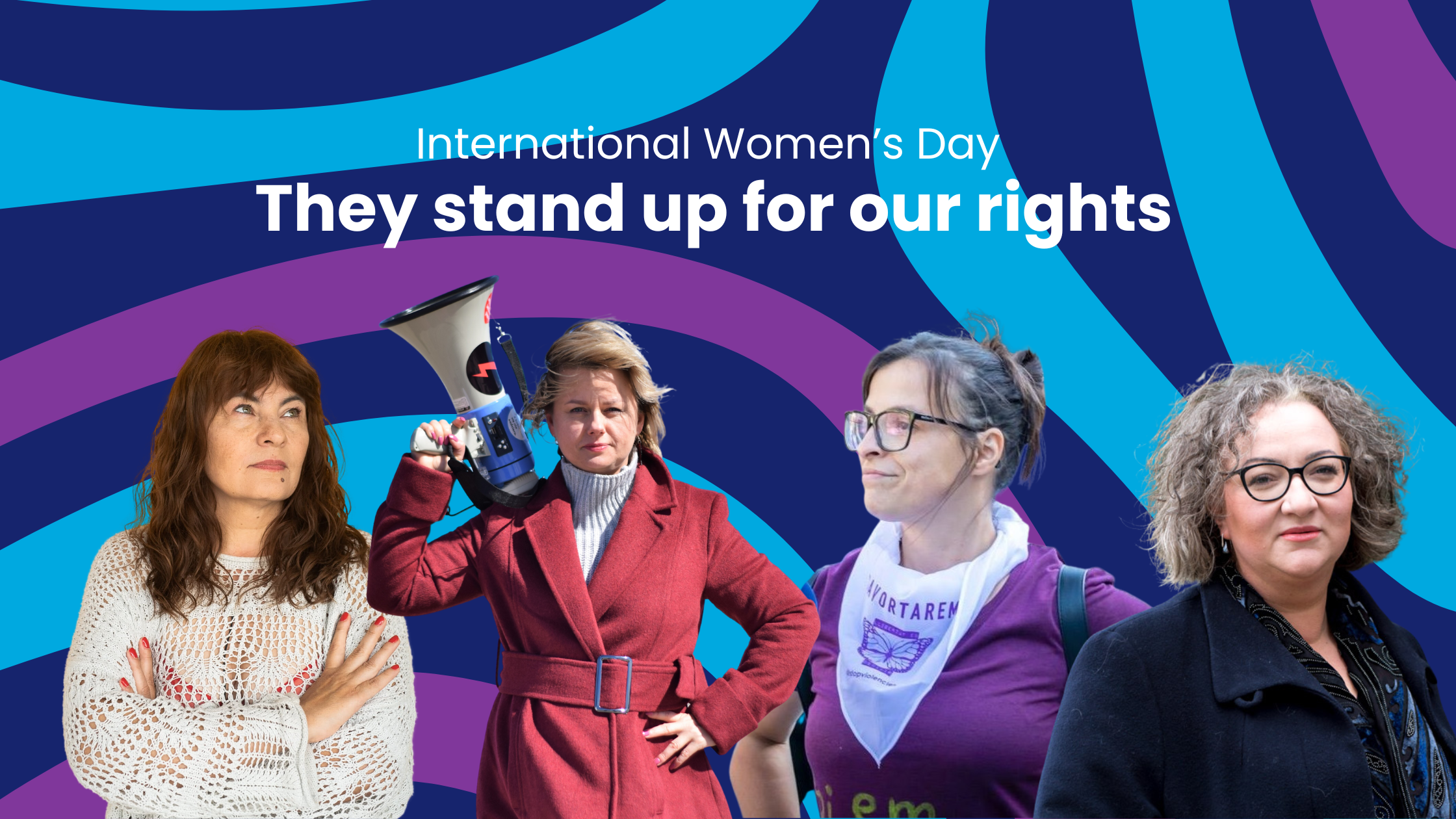
Women Human Rights Defenders stand up for our rights! Why the EU must stand up for them.
This 8 March, IPPF EN would like to celebrate and pay tribute to Women Human Rights Defenders and the vital role they play in protecting and advancing gender equality and women’s rights, in inspiring social change and in challenging the status quo. Women Human Right Defenders (WHRDs) and civil society actors in Europe have been operating for years in increasingly hostile and dangerous environments, where intimidation, smear campaigns and legal proceedings are used against individuals and organisations. Many of our members and partners – in countries including France, Hungary, Latvia, Lithuania, Poland, Romania, Slovenia and Spain, to name a few – are facing, or have faced, unacceptable forms of violence and harassment at the hands of state and non-state actors. In 2024 we are bracing for European Parliament elections in which far-right parties are widely expected to increase their influence in political decision-making, reflecting widespread gains in many Member States. The ongoing rise of authoritarian, regressive and misogynistic movements will continue to undermine human rights, democracy and the rule of law. In this context, gender equality, women’s rights, LGBTIQ+ rights and reproductive freedom will face further serious threats. So too will Women Human Rights Defenders and civil society organisations who defend these values. As the elections approach, IPPF EN is calling on the politicians who will shortly take over leadership of the EU’s political agenda for the next five years to do all they can to build an inclusive feminist Europe that stands up for gender equality and SRHR. IPPF EN strongly welcomes the recognition in the EU’s recently-adopted Directive on Combatting Violence Against Women and Domestic Violence, that Women Human Rights Defenders are particularly impacted by violence, and that targeting a Women Human Rights Defender, in an attempt to silence them and hinder their activism, demonstrates higher culpability and should carry an increased sentence for the perpetrator. But much more needs to be done. We need the EU to guarantee an enabling and safe civic space and step up its support to WHRDs and civil society organisations promoting women’s human rights, gender equality, LGBTIQ rights, Roma rights, migrant rights and SRHR. It must do this financially, investing through EU funding instruments, but also politically, by firmly condemning threats and attacks, offering protection, consulting meaningfully with WHRDs and giving visibility to their actions and causes. Together with our civil society partners, we would specifically like to see the EU adopt a Civil Society Strategy and develop a protection mechanism for human rights defenders, that also recognises that reproductive rights defenders are experiencing specific type of attacks, so that all forms of aggressions, threats, smear campaigns and limitations of civic space can be reported and addressed. This should go hand-in-hand with taking all possible measures to enforce respect for the rule of law, democracy and human rights. This 8 March, IPPF EN calls on the EU to defend and ensure the safety of women and all people standing up for its core values, in particular women’s human rights and gender equality! This is essential to building an inclusive, feminist Europe with greater freedoms for everyone. *** Read here stories of brave human rights defenders who have fought for abortion rights, democracy and the rule of law in Poland. The example of Polish activists and social movements who collectively mobilised vast numbers of women and young people to defeat the far-right governing PiS party in the 2023 elections is an inspiration. It also underlines the urgent need for greater EU-level protections for rights defenders. Read here the EU elections manifesto of Civil Society Europe, endorsed by IPPF EN, which calls inter alia for the creation of an EU mechanism to protect civil society, activists and defenders.
07 February 2024
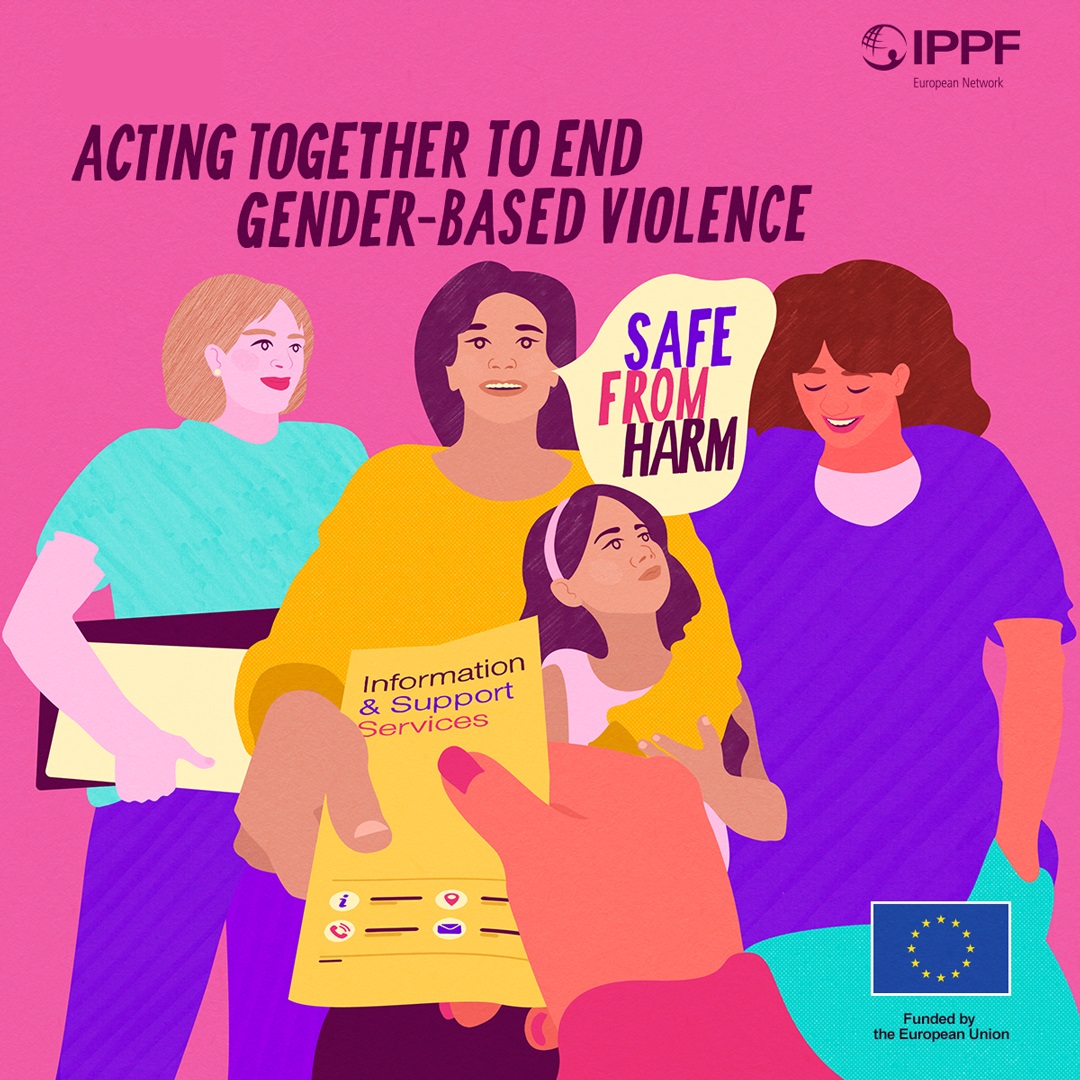
EU fails to criminalise rape but strengthens prevention measures and support services for survivors
Yesterday, the European Parliament and Member States reached a hard-won agreement on the Directive on combating violence against women and domestic violence. IPPF EN welcomes this first ever binding EU legislation on combating violence against women. But we regret that, while the Directive contains positive measures, the final text is incomplete and represents a serious missed opportunity to ensure protection from all forms of gender-based violence for all people. It is outrageous and deeply disappointing that lack of political will from national governments, notably France and Germany, has resulted in a final text that does not tackle the scourge of sexual violence, in spite of bold efforts from the European Commission and Parliament.

22 November 2023
Digital Fireside Chat on Combating Violence
Join us on Instagram on December 7 at 10.30am CET, to discuss how to achieve #AWorldWhere we are all free from gender-based violence together with Sonali Silva, SRHR activist and co-chair at SheDecides, Josephine Odhiambo, Program Lead at Youth Changers Kenya, and Esme Stuart, Programme Manager – Human Rights, Gender and Youth at the European Commission, DG INTPA. During this event, our guests will share their reflections on the challenges we face in combating gender-based violence globally and the solutions we have at our disposal to ensure we all live in a safer world. Violence against women is endemic in every country and culture with 1 in 3 women across the globe expected to experience physical or sexual violence in their lifetime. We know this number is higher in some places, affecting 2 in 3 women. We have a shared responsibility to help create more gender equal societies in which everyone is safe from harm and treated with dignity. We will also discuss how sexual and reproductive health and rights can be part of the solutions that we know are effective to prevent, protect and support survivors. What can you expect? We will be talking about the benefits of directly funding grassroot feminist organisations and movements that work to end gender-based violence and how our communities can change for the better if we work together to redesign systems so that they protect everyone. We will also be speaking about the role of the European Union in fighting gender-based violence globally. Join our Instagram Live and follow @C2030Europe for updates! Add this to your calendar. The Instagram Live is organised under the umbrella of the #AWorldWhere campaign aiming to drive Europe’s global commitments on sexual and reproductive health and rights, to meet Sustainable Development Goals targets, advance gender equality and strengthen health systems. #AWorldWhere is a Countdown 2030 Europe initiative driven by 15 leading European non-governmental organisations advocating for sexual and reproductive freedom worldwide. Illustration: Jessica Whitney Crowe

23 October 2023
Civil Society Assessment of EU policies (2019-2023) advancing girls’ rights
As the European Commission leadership and European Parliament approach the end of their term, the European Week of Action for Girls (EWAG) is looking back at the past years to assess EU policy frameworks and regional partnerships and evaluate their contribution to promoting girls’ rights. The paper provides an overview of positive advancements, as well as shortcomings, and puts forward a set of recommendations on how to better advance girls’ rights in EU external action onwards.

06 June 2023
#AWorldWhere global access to sexual and reproductive health and rights is a reality - campaign launch
Join us on Instagram on June 13 at 4pm CSET, to launch our new campaign #AWorldWhere together with Liana Abdikarimova, IPPF EN youth activist, MEP Alice Kuhnke and Bénédicte Joan, feminist activist from the Ivory Coast. We believe we are members of an interconnected society and what affects one of us, affects us all. Everyone in society has the right to live with dignity and we believe it is our collective responsibility to ensure we all do. During this event, our guests will share their reflections on how the world could look like if sexual and reproductive health and rights needs are met globally and what we need from European policy makers to achieve this. What can you expect? We will be talking about strengthening healthcare systems, achieving gender equality, combatting gender-based violence and how our communities can change for the better if we work together to redesign systems so that they work for everyone. Join our Instagram Live and follow @C2030Europe for updates! This is the first of a series of events under the umbrella of the #AWorldWhere campaign aiming to drive Europe’s global commitments on sexual and reproductive health and rights, to meet Sustainable Development Goals targets, advance gender equality and strengthen health systems. #AWorldWhere is a Countdown 2030 Europe initiative driven by 15 leading European non-governmental organisations advocating for sexual and reproductive freedom worldwide.

19 April 2023
For an inclusive feminist Europe: recommendations for the EU election campaign
The European Union (EU) is facing many obstacles in upholding its core values. Challenges such as the COVID pandemic, the Russian war against Ukraine, and the climate crisis have created unprecedented uncertainty around our common future, and have increased existing inequalities, particularly for women and girls in all their diversity. The rise of authoritarian regimes and populist movements has led to growing opposition against EU values such as: the rule of law, democracy, human rights, and equality, including a backlash against gender equality and women’s rights. Ahead of the pivotal moment that are the European elections, political parties must take a bold stand in the defence of EU values. The EU should actively tackle intersecting systems of oppression such as patriarchy, racism, neo-colonialism, and neo-liberalism. It should strive towards a world where everyone can enjoy the same rights, and lead free and safe private and family lives, free from sexism, coercion, and violence. We call on European political parties to put inclusive feminism at the heart of their electoral programmes, and to commit to further advancing gender equality and women’s rights, including sexual and reproductive health and rights (SRHR), in the EU and beyond. Read below our recommendations on how we can create together an inclusive feminist Europe that promotes gender equality, women’s human rights and SRHR in all fields; that puts an end to sexual and gender-based violence; and that counters the threats against its values.
19 June 2025
EU must support progress on SRHR through future EU Gender Equality and LGBTIQ Equality Strategies
An open letter to EU Member States: Support the advancement of SRHR through the future EU Gender Equality and LGBTIQ Equality Strategies As Equality Ministers prepare to gather at the ‘Equality, Europe!’ Conference on 23 June under the Polish EU Presidency, to discuss the future EU Gender Equality and LGBTIQ Equality Strategies for the next five years, IPPF EN and its Member Associations across the EU urge Member States to demonstrate bold leadership and unwavering commitment to women’s rights, sexual and reproductive health and rights (SRHR), and LGBTIQ rights. Europe faces mounting pressure on democracy and a backlash against gender equality. The urgency for bold and unified EU action has never been greater. Regressive forces threaten to roll back decades of progress, particularly targeting the bodily autonomy and dignity of women and LGBTIQ persons. We are witnessing rising attacks on reproductive rights, increasing barriers to care and shrinking civic space in several Member States and at the EU level. Against this backdrop, we call on Member States to champion strong, forward-looking Gender Equality and LGBTIQ Equality Strategies post-2025, and to endorse them through Council Conclusions when the time comes. These documents must reaffirm the EU’s determination to advance equality and ensure that SRHR and the rights of all women and LGBTIQ people are protected, promoted, and fulfilled across the Union. Building on the ambitious vision laid out in the European Commission Roadmap for Women’s Rights, we call for the future Strategies to include specific actions, recommendations and funding for the following priorities: 1. Highest standards of health – with SRHR at the core Everyone in the EU must have access to the highest attainable standard of physical and mental health, including SRHR. The Strategies must contribute to ensuring: Access to comprehensive SRHR services for all in the EU, in line with international human rights and public health standards, including access to safe, legal, and affordable abortion care and fertility care. Access to respectful, high-quality obstetric and gynaecological care, and combating all forms of obstetric and gynaecological violence, including mistreatment during and denial of abortion care and forced sterilisation. Specific attention to the needs of LGBTIQ persons, especially trans and intersex people, in accessing affirming and non-discriminatory healthcare. 2. Freedom from gender-based violence The Strategies must affirm the right of all women and LGBTIQ people to live free from gender-based violence and contribute to: Combat all forms of sexual and gender-based violence, including rape based on lack of consent, hate crimes and hate speech, harmful practices, female and intersex genital mutilation, ‘conversion therapies’. Guarantee comprehensive support services for all victims of sexual violence, including access to sexual and reproductive healthcare services. 3. Comprehensive sexuality education (CSE) CSE is essential to keep all young people safe and able to thrive. It equips young people with the knowledge, attitudes, and skills they need to understand consent, prevent violence, and foster a culture of equality and respect. CSE is a crucial tool in countering the rise of disinformation and the spread of masculinist and polarised ideologies among young men and boys. The Strategies must contribute to ensuring: Access to inclusive CSE in line with international standards guaranteed in all Member States. 4. Strong institutional mechanisms and Funding The EU must ensure that progress on gender equality and LGBTIQ rights is monitored, sustainable and resistant to rollback. The Strategies must prioritise: Dedicated and increased funding for civil society organisations advancing gender equality, SRHR, and LGBTIQ rights, notably through a strengthened stand-alone Citizens, Equality, Rights and Values Programme in the next MFF. An EU-wide accountability mechanism to monitor implementation and respond to retrogressions in Member States. Funding conditionality against anti-gender equality, anti-choice and anti-rights actors. Intersectionality at the heart All actions must be rooted in an intersectional approach, addressing the specific, compounded and systemic forms of discrimination faced by women and girls in all their diversity – LBTIQ women, including trans, non-binary, intersex women, migrant and racialised women, Roma women, women with disabilities, and others. True equality leaves no one behind. Conclusion: A call to the Council We urge the Council of the EU to champion ambitious future Gender Equality and LGBTIQ Equality Strategies at the Conference, and when the time comes, to endorse them through Council Conclusions and participate in their implementation. This will send a strong political message: that Member States stand united in upholding fundamental rights and that the EU will not waver in the face of backlash. Equality, dignity, and justice cannot wait. The time to act is now. Signatories: International Planned Parenthood Federation - European Network (IPPF EN) Austrian Family Planning Association, ÖGF (Austria) Fédération Laïque de Centres de Planning Familial (FLCPF - Belgium) Sensoa, Flemish expert center for sexual health (Belgium) The Danish Family Planning Association, DFPA (Denmark) Mouvement français pour le planning familial (France) pro familia Bundesverband (Germany) Aidos Italian Association for Women in Development (Italy) Rutgers (Netherlands) FEDERA Foundation for Women and Family Planning (Poland) SECS Association (Romania) SEDRA-Federación Planificación Familiar (Spain)
12 March 2025
European Commission's new Women's Rights Roadmap includes SRHR—Now we need action
On 7 March 2025, the European Commission released its new Roadmap for Women’s Rights - a political declaration that reaffirms its determination to uphold gender equality and sets out a long-term vision for how it will advance women’s rights. IPPF EN welcomes this crucial commitment at a time when ultraconservative movements are gaining influence in the EU and around the world, threatening progress on women's rights, including their sexual and reproductive health and rights (SRHR). We particularly value the inclusion in the Roadmap of the following key commitments, which are at the heart of our demands to the EU: 1. Highest Standards of Health The Roadmap reiterates that every woman has the right to the highest attainable standards of physical and mental health, with notably a focus on SRHR. It commits to supporting and complementing health action by Member States in this field, in full respect of the Treaties. IPPF EN strongly supports this inclusion of SRHR in the Roadmap, by which the European Commission highlights that SRHR are women’s rights and part of EU values. But it is important to note that SRHR are not only a health issue – they are also fundamental rights intertwined with the clear EU priorities of achieving gender equality and fighting against sexual and gender-based violence. We urge the EU to take bold, actionable steps in the upcoming Gender Equality Strategy to implement international commitments, international human rights and public health standards on SRHR, and ensure that Member States guarantee access to comprehensive SRHR services for all in the EU, including safe and legal abortion. Other objectives in the Roadmap include ensuring respectful and high quality obstetric, gynaecological, antenatal, childbirth and postnatal care, free from discrimination and harmful practices; promoting gender-sensitive medical research, clinical trials, diagnostics and treatments; and ensuring access to affordable menstrual hygiene products and contraception. IPPF EN welcomes the prioritisation of obstetric care, of which access to abortion care is an integral part; and calls for the recognition and combating of all forms of obstetric and gynaecological violence, including mistreatment during and denial of abortion care. 2. Freedom from Gender-Based Violence The Roadmap outlines actions to combat all forms of violence against women and girls, including sexual violence and rape, based on lack of consent, and to ensure support and protection for victims of violence. IPPF EN urges Member States to provide access to sexual and reproductive healthcare services to victims of sexual violence, which should be free of charge, sufficiently resourced and accessible at all times and throughout the country, in line with the EU Directive on Violence Against Women. 3. Comprehensive Sexuality Education We strongly welcome the inclusion of comprehensive sexuality education promotion in the Roadmap. Comprehensive sexuality education, which includes consent education, is essential for enabling young people to form happy, healthy, and safe relationships free from violence and discrimination. 4. Institutional Mechanisms and Funding The Roadmap stresses the need for strong institutional mechanisms and sustainable funding for gender equality policies and women’s rights organisations. IPPF EN calls for the priorities outlined in the Roadmap, and the forthcoming Gender Equality Strategy, to be adequately funded, particularly in light of the upcoming negotiations on the EU Multiannual Financial Framework. A strong women’s rights movement is the most effective way to counter threats of retrogression. The EU should increase its protection and political and financial support to organisations and human rights defenders who fight for women’s rights, including SRHR. 5. Intersectionality The Roadmap recognizes the importance of addressing intersectional discrimination, but we regret the omission of ‘gender identity’, ‘sexual characteristics’, and ‘migration status’ as discrimination grounds. We call on the EU to address the specific needs of trans, non-binary, intersex, and migrant and undocumented women, who face unique challenges. “It is a welcome first step that SRHR and other crucial topics have been included in the Roadmap for Women’s Rights. The Roadmap should now pave the way for the new EU Gender Equality Strategy post-2025 and be followed up with impactful actions. We stand ready to work with the European Commission and Member States to transform these principles into reality,” said Micah Grzywnowicz, IPPF EN Regional Director. Image credit: Fátima Bravo for Fine Acts
26 November 2024
Be a champion for Sexual and Reproductive Health and Rights globally
The European Union (EU) has been championing the promotion of Sexual and Reproductive Health and Rights (SRHR), which are recognised as a key priority in the EU’s international development policies and instruments. The EU is also one of the main international donors for SRHR in terms of Official Development Assistance (ODA) – despite currently only dedicating a fraction of its ODA budget (less than 2%) to SRHR. And the role of the European Parliament has been pivotal in ensuring that SRHR are embedded in ambitious EU policy frameworks to promote human development, gender equality, human rights. The Parliament has also continuously defended the Union’s ODA budget from proposed cuts and called for budget to be allocated according to sustainable development priorities, rather than short-term political interests. We count on the Members of the European Parliament (MEPs) to continue championing SRHR in the new parliamentary term! In our new factsheet we explain why it’s important to support SRHR, what are the remaining challenges and what can MEPs do to champion reproductive freedom, safety and dignity in EU external policies. Discover your superpowers!
26 June 2024
Our recommendations to the European Commission 2024-2029
The structure of EU institutions in the upcoming legislature will be crucial for the degree of prioritisation given to gender equality and sexual and reproductive health and rights (SRHR). These are our recommendations for the future of European Institutions, from the renewal of the mandate of a European Commissioner dedicated to (Gender) Equality, to the renewal the Union of Equality Agenda and all relevant Strategies, while mainstreaming SRHR in them, - to ensuring sufficient funding for gender equality and SRHR in the EU budget. Read more below.
08 March 2024
Women Human Rights Defenders stand up for our rights! Why the EU must stand up for them.
This 8 March, IPPF EN would like to celebrate and pay tribute to Women Human Rights Defenders and the vital role they play in protecting and advancing gender equality and women’s rights, in inspiring social change and in challenging the status quo. Women Human Right Defenders (WHRDs) and civil society actors in Europe have been operating for years in increasingly hostile and dangerous environments, where intimidation, smear campaigns and legal proceedings are used against individuals and organisations. Many of our members and partners – in countries including France, Hungary, Latvia, Lithuania, Poland, Romania, Slovenia and Spain, to name a few – are facing, or have faced, unacceptable forms of violence and harassment at the hands of state and non-state actors. In 2024 we are bracing for European Parliament elections in which far-right parties are widely expected to increase their influence in political decision-making, reflecting widespread gains in many Member States. The ongoing rise of authoritarian, regressive and misogynistic movements will continue to undermine human rights, democracy and the rule of law. In this context, gender equality, women’s rights, LGBTIQ+ rights and reproductive freedom will face further serious threats. So too will Women Human Rights Defenders and civil society organisations who defend these values. As the elections approach, IPPF EN is calling on the politicians who will shortly take over leadership of the EU’s political agenda for the next five years to do all they can to build an inclusive feminist Europe that stands up for gender equality and SRHR. IPPF EN strongly welcomes the recognition in the EU’s recently-adopted Directive on Combatting Violence Against Women and Domestic Violence, that Women Human Rights Defenders are particularly impacted by violence, and that targeting a Women Human Rights Defender, in an attempt to silence them and hinder their activism, demonstrates higher culpability and should carry an increased sentence for the perpetrator. But much more needs to be done. We need the EU to guarantee an enabling and safe civic space and step up its support to WHRDs and civil society organisations promoting women’s human rights, gender equality, LGBTIQ rights, Roma rights, migrant rights and SRHR. It must do this financially, investing through EU funding instruments, but also politically, by firmly condemning threats and attacks, offering protection, consulting meaningfully with WHRDs and giving visibility to their actions and causes. Together with our civil society partners, we would specifically like to see the EU adopt a Civil Society Strategy and develop a protection mechanism for human rights defenders, that also recognises that reproductive rights defenders are experiencing specific type of attacks, so that all forms of aggressions, threats, smear campaigns and limitations of civic space can be reported and addressed. This should go hand-in-hand with taking all possible measures to enforce respect for the rule of law, democracy and human rights. This 8 March, IPPF EN calls on the EU to defend and ensure the safety of women and all people standing up for its core values, in particular women’s human rights and gender equality! This is essential to building an inclusive, feminist Europe with greater freedoms for everyone. *** Read here stories of brave human rights defenders who have fought for abortion rights, democracy and the rule of law in Poland. The example of Polish activists and social movements who collectively mobilised vast numbers of women and young people to defeat the far-right governing PiS party in the 2023 elections is an inspiration. It also underlines the urgent need for greater EU-level protections for rights defenders. Read here the EU elections manifesto of Civil Society Europe, endorsed by IPPF EN, which calls inter alia for the creation of an EU mechanism to protect civil society, activists and defenders.
07 February 2024
EU fails to criminalise rape but strengthens prevention measures and support services for survivors
Yesterday, the European Parliament and Member States reached a hard-won agreement on the Directive on combating violence against women and domestic violence. IPPF EN welcomes this first ever binding EU legislation on combating violence against women. But we regret that, while the Directive contains positive measures, the final text is incomplete and represents a serious missed opportunity to ensure protection from all forms of gender-based violence for all people. It is outrageous and deeply disappointing that lack of political will from national governments, notably France and Germany, has resulted in a final text that does not tackle the scourge of sexual violence, in spite of bold efforts from the European Commission and Parliament.
22 November 2023
Digital Fireside Chat on Combating Violence
Join us on Instagram on December 7 at 10.30am CET, to discuss how to achieve #AWorldWhere we are all free from gender-based violence together with Sonali Silva, SRHR activist and co-chair at SheDecides, Josephine Odhiambo, Program Lead at Youth Changers Kenya, and Esme Stuart, Programme Manager – Human Rights, Gender and Youth at the European Commission, DG INTPA. During this event, our guests will share their reflections on the challenges we face in combating gender-based violence globally and the solutions we have at our disposal to ensure we all live in a safer world. Violence against women is endemic in every country and culture with 1 in 3 women across the globe expected to experience physical or sexual violence in their lifetime. We know this number is higher in some places, affecting 2 in 3 women. We have a shared responsibility to help create more gender equal societies in which everyone is safe from harm and treated with dignity. We will also discuss how sexual and reproductive health and rights can be part of the solutions that we know are effective to prevent, protect and support survivors. What can you expect? We will be talking about the benefits of directly funding grassroot feminist organisations and movements that work to end gender-based violence and how our communities can change for the better if we work together to redesign systems so that they protect everyone. We will also be speaking about the role of the European Union in fighting gender-based violence globally. Join our Instagram Live and follow @C2030Europe for updates! Add this to your calendar. The Instagram Live is organised under the umbrella of the #AWorldWhere campaign aiming to drive Europe’s global commitments on sexual and reproductive health and rights, to meet Sustainable Development Goals targets, advance gender equality and strengthen health systems. #AWorldWhere is a Countdown 2030 Europe initiative driven by 15 leading European non-governmental organisations advocating for sexual and reproductive freedom worldwide. Illustration: Jessica Whitney Crowe
23 October 2023
Civil Society Assessment of EU policies (2019-2023) advancing girls’ rights
As the European Commission leadership and European Parliament approach the end of their term, the European Week of Action for Girls (EWAG) is looking back at the past years to assess EU policy frameworks and regional partnerships and evaluate their contribution to promoting girls’ rights. The paper provides an overview of positive advancements, as well as shortcomings, and puts forward a set of recommendations on how to better advance girls’ rights in EU external action onwards.
06 June 2023
#AWorldWhere global access to sexual and reproductive health and rights is a reality - campaign launch
Join us on Instagram on June 13 at 4pm CSET, to launch our new campaign #AWorldWhere together with Liana Abdikarimova, IPPF EN youth activist, MEP Alice Kuhnke and Bénédicte Joan, feminist activist from the Ivory Coast. We believe we are members of an interconnected society and what affects one of us, affects us all. Everyone in society has the right to live with dignity and we believe it is our collective responsibility to ensure we all do. During this event, our guests will share their reflections on how the world could look like if sexual and reproductive health and rights needs are met globally and what we need from European policy makers to achieve this. What can you expect? We will be talking about strengthening healthcare systems, achieving gender equality, combatting gender-based violence and how our communities can change for the better if we work together to redesign systems so that they work for everyone. Join our Instagram Live and follow @C2030Europe for updates! This is the first of a series of events under the umbrella of the #AWorldWhere campaign aiming to drive Europe’s global commitments on sexual and reproductive health and rights, to meet Sustainable Development Goals targets, advance gender equality and strengthen health systems. #AWorldWhere is a Countdown 2030 Europe initiative driven by 15 leading European non-governmental organisations advocating for sexual and reproductive freedom worldwide.
19 April 2023
For an inclusive feminist Europe: recommendations for the EU election campaign
The European Union (EU) is facing many obstacles in upholding its core values. Challenges such as the COVID pandemic, the Russian war against Ukraine, and the climate crisis have created unprecedented uncertainty around our common future, and have increased existing inequalities, particularly for women and girls in all their diversity. The rise of authoritarian regimes and populist movements has led to growing opposition against EU values such as: the rule of law, democracy, human rights, and equality, including a backlash against gender equality and women’s rights. Ahead of the pivotal moment that are the European elections, political parties must take a bold stand in the defence of EU values. The EU should actively tackle intersecting systems of oppression such as patriarchy, racism, neo-colonialism, and neo-liberalism. It should strive towards a world where everyone can enjoy the same rights, and lead free and safe private and family lives, free from sexism, coercion, and violence. We call on European political parties to put inclusive feminism at the heart of their electoral programmes, and to commit to further advancing gender equality and women’s rights, including sexual and reproductive health and rights (SRHR), in the EU and beyond. Read below our recommendations on how we can create together an inclusive feminist Europe that promotes gender equality, women’s human rights and SRHR in all fields; that puts an end to sexual and gender-based violence; and that counters the threats against its values.