- - -

Articles about Serbia

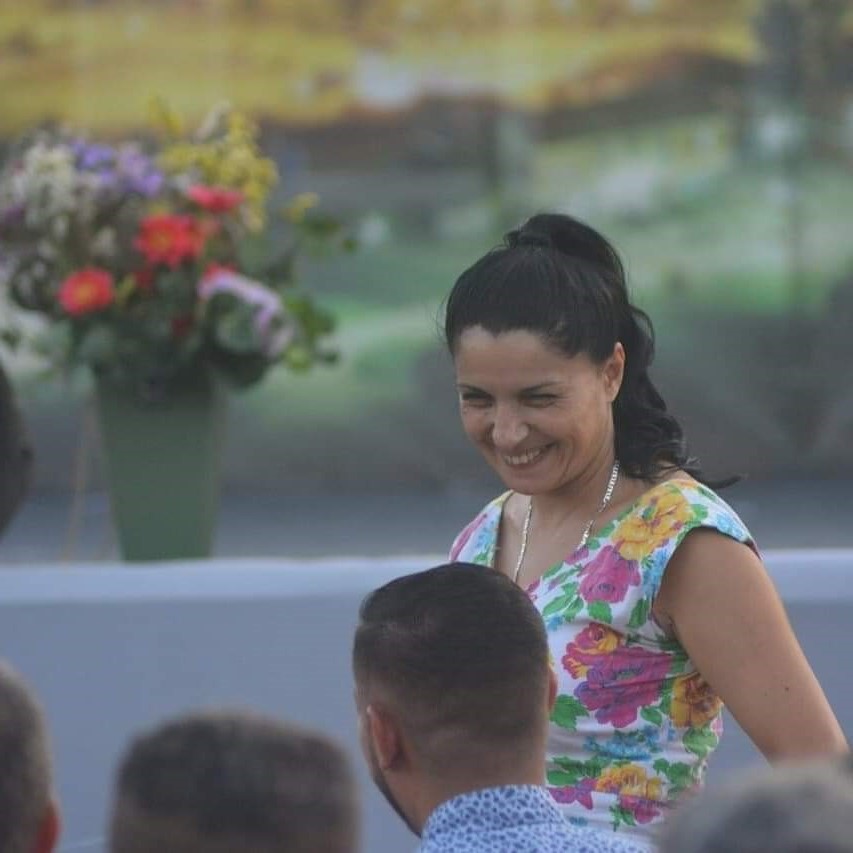
Serbia roma community worker
14 January 2022

My Body, My Rights

My Body, My Rights is a three-year project supporting the lifelong reproductive health and freedom of Roma girls, by improving access and uptake of quality maternal and family planning healthcare for vulnerable communities in Bulgaria, Romania and Serbia. We are working holistically on the multiple fronts necessary to bring about lasting change. At the heart of the project lies participation by Roma people themselves, particularly the young. IPPF members in Bulgaria, Romania and Serbia are working in intersectional partnerships to empower girls and boys to become leaders in educating and informing their peers about sexual and reproductive health and rights, and in driving change for their community through advocacy. Relationship and sexuality education is vital for increasing support for gender equality and reproductive freedom among young Roma people, while awareness-raising in their communities is increasing the acceptability of modern contraceptives. Project partners are also training primary health care providers to update their technical knowledge and skills related to family planning in line with best practice and international standards, sensitising them to Roma health needs and to how stigma and discriminatory attitudes towards the Roma and young people negatively affect the quality of care they receive. Roma health mediators are our bridge between communities and healthcare providers. The project is also targeting decision-makers, carrying out advocacy for stronger political commitment to quality family planning care for communities often left behind.   Our members are using innovative approaches such as the development of an app to promote contraceptive acceptability. This work is coordinated by IPPF EN’s regional office, implemented by our national members in Bulgaria, Romania and Serbia, and funded by MSD for Mothers. Explore our project microsite!

Serbia
14 January 2022

Innovation Fund

The Innovation Fund is an IPPF funded programme that stimulates Member Associations to be creative and to think out of the box. The Innovation Programme tests new ideas and approaches to solving some of today's greatest sexual and reproductive health and rights challenges. The Innovation Programme connects local expertise with global knowledge to find new and effective ways to improve people’s sexual and reproductive health. The Member Associations in the Europe region have been quite successful in their applications, mostly focussing on advocacy. This is a programme which allows experimentation but then learns from both success and failure.  

Gender and the Union
19 July 2021

Podcast episode 4: Gender and The Union

Gender and The Union is a podcast exploring why policy changes matter to combat gender-based violence in the European Union, and why relationship and sexuality education is key to creating a more equal and safe future for all. In this 4-episode podcast series, we will create a dialogue between policy makers in the EU and the young people looking to advocate for positive change.      In this episode of Gender & The Union we discuss how the European Union and the government of Serbia prevent gender-based violence and fight inequalities, with Ms. Leonetta Pajer, head of Operations at the EU Delegation in Serbia and Gala, 16 years old and youth activist from Serbia. The podcast is moderated by Catherine Bailey Gluckman, programme advisor for youth work at IPPF EN. We have heard how gender equality, human rights, and relationship and sexuality education play an important role in the candidature of Serbia to the EU and how the EU and Serbia are working together to achieve a world free from sexism, violence and all forms of discrimination. Above all the relationship between the EU and Serbia should be a partnership that aspires to fulfil the hopes of young people like Gala. On her side, Gala has shared her expectations following the EU accession process, what progress she hopes to see on gender equality in Serbia, as well as what she is personally doing to better the lives of young people who want access to relationship and sexuality education, and who deserve a future where inequalities are diminished and harmful gender norms are a thing of the past. Quality relationship and sexuality education is necessary to ensure that young people live out the principles of gender equality but policy changes in the areas of rule of law, democracy and health are needed too.  We are now looking to both the Serbian government and the EU to make this happen together with young activists like Gala and her peers. This has been the final episode in our podcast series, Gender & The Union. Don't forget to catch up on the other three episodes.   This podcast series was commissioned by the International Planned Parenthood Federation European Network, produced by Positive Stories and funded by the European Union’s Rights, Equality and Citizenship Programme (REC 2014-2020), within the framework of the Youth SpectActors project. The content of this podcasts represents only the views of IPPF EN and is its sole responsibility. The European Commission does not accept any responsibility for use that may be made of the information it contains.

COVID-19 and SRHR
09 July 2021

COVID-19 IPPF innovation and best practice

The COVID-19 pandemic has had a profound impact on access to and enjoyment of sexual and reproductive health services and rights. While families, couples and individuals have faced intense pressure and hardship as a result of the pandemic, life-saving sexual and reproductive health (SRH) services and supplies, including sexual and gender-based violence services, have become scarce and/or inaccessible. Existing socioeconomic inequalities have been exacerbated, especially as they pertain to girls, women and marginalised groups.  As nationally owned and locally operated health service providers, IPPF Member Associations (MAs) remain committed to their communities and the people within them. In this Case Study series, we share progress, learning and innovation that has occurred within MAs over the course of the pandemic. The case studies cover: telemedicine for abortion in the COVID-19 context, SGBV response in COVID-19, adapting sexuality education in COVID-19 through digitalisation, and leaving no one behind, especially marginalised populations. Take a look at the above Case Studies from Bulgaria, Estonia, Serbia and Ireland. 

Young woman and contraceptive methods
26 September 2020

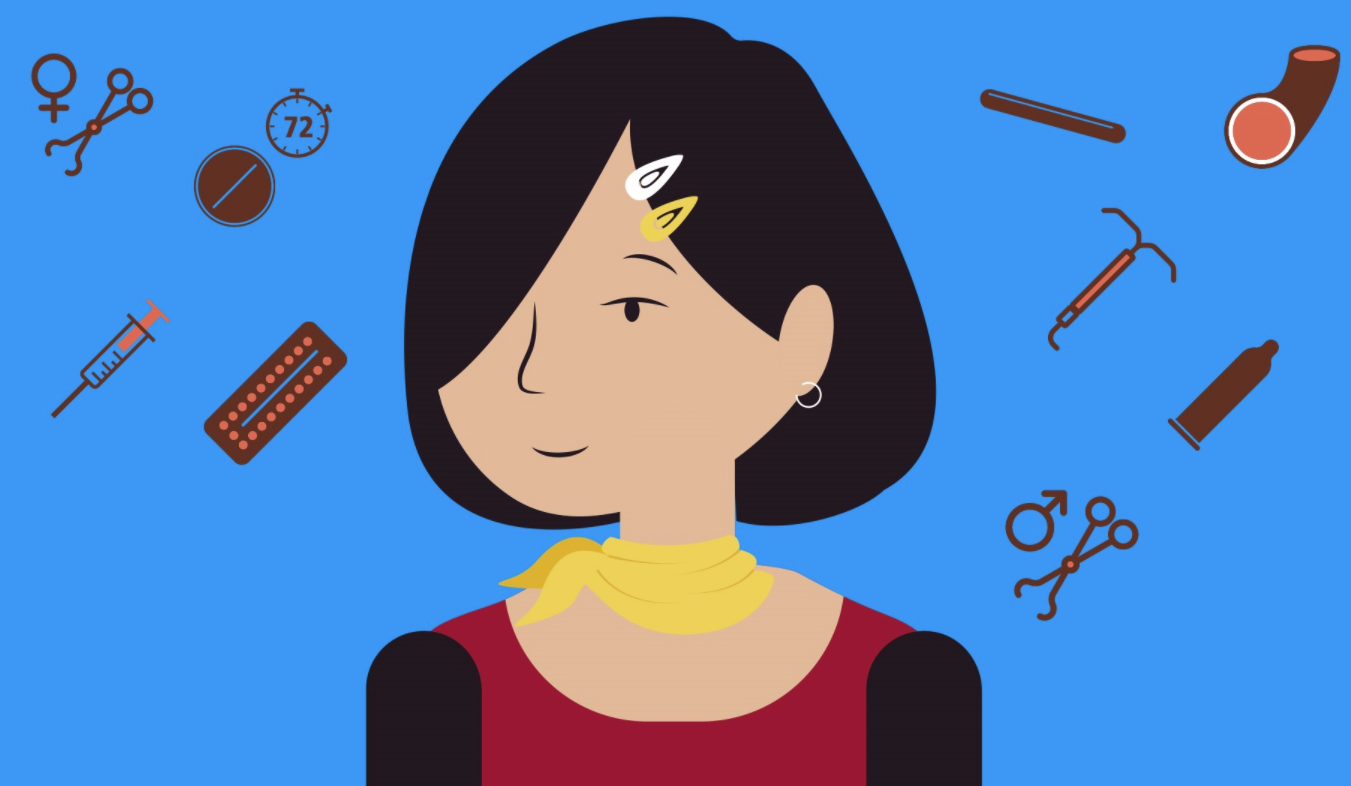
Making contraceptive freedom a reality in vulnerable communities

Today is World Contraception Day – a day for raising awareness about contraceptive care. It might seem surprising that we still need to raise awareness - isn’t everyone in Europe using modern contraception nowadays? Unfortunately, the answer is no. In Romania, Bulgaria and Serbia, for example, less than half of women use a modern method. Many women and girls from the poorest and most socially excluded communities in the Balkans rely on withdrawal. Contraceptive use is hugely influenced by myths and misinformation about hormonal contraception. This can be tackled by raising awareness and providing accurate information, which is exactly what we are doing in Roma communities in these countries. With support from the communities, our local partners are training and building essential life skills among Roma women and men to enable them to act as points of contact for their friends, children, neighbours and family. And this approach is bearing fruit. Last year, I visited Kosharnik, a neighbourhood in the city of Montana in the north of Bulgaria, where 6000 Roma have settled. 600 of them live in extreme poverty, without running water or electricity. They form a ‘ghetto within the ghetto’. Many have no income and struggle to survive. Contraception is a life-changer for women living in this neighbourhood. One young woman living here told us that local sessions organised by a health mediator from the community had convinced her of the advantages of contraceptive care. She had married at 17 and now, three years and one child later, had decided after careful consideration with her husband what was right for her: “One day, we spoke again.. about what is a good number of children in a family... I thought more about me and my family. We didn’t have a high income and could barely pay our bills. Our daughter was a baby and it was challenge to look after her. With my husband we started to discuss it, and I started to think about getting an IUD... That’s how six months ago I decided to have one fitted… My friends told me I’m crazy, they said I only have one child. But I know that I can decide myself when to have another, and that I’ll do so consciously.” Raising awareness is just part of the solution. Roma women and girls face many more hurdles to get the family planning services they need. Many are uninsured, which makes contraceptive care costly, so we support them to get health insurance. Often, it takes hours to reach healthcare services on public transport, so most women can’t even make the trip. That is why our Bulgarian partner collaborates with a doctor who visits the nearby community health center to provide contraceptive care free-of-charge. We encourage and even push doctors to get out of their consultation rooms and provide information, counselling and even services in the communities. This simple intervention boosts access for women and girls, but crucially also opens the eyes of the doctors, helping to change their perceptions and attitudes towards Roma people. In the words of one Serbian doctor: “This field work teaches me that we have to act like a human, to take the time to listen, ask and help”. Social norms and expectations are another reason that the uptake of contraceptive care is very low. Why would a young girl ask for contraception if she’s not even supposed to have sex before marriage? Or why would a teenage couple use contraception if they just got married and are expected to start a family as soon as possible ? Why would a man propose to his wife to use a condom – is he cheating on her? Young people and their communities need to talk - not just about contraception, but about sex, sexuality, relationships, gender, consent, and more! That’s why we support teachers, local nurses, health mediators and young people to build these essential life skills in their children and peers. Young people and children love the relationships and sexuality education sessions and even the adults we have trained get excited seeing the children’s enthusiasm. A community nurse in Romania told us: “This has helped us to see that more can be done... You realise that for a young girl of 11 or a young boy of 12, questions like "how to use a condom" or "what happens when you have sex with a girl on her period", are clearly taboo, and they have no one to talk to about these things because in their families it’s seen as shameful.... But we're trying to move forward and explain that it’s not bad to talk about these things..." Our work in the Balkans with some of Europe’s most vulnerable communities brings home just how much contraceptive care still changes and saves lives in Europe. It also highlights that making contraceptive freedom a reality for everyone requires civil society, decision-makers and care providers to unite as a team, with and for local communities. Above all, political commitment is needed to ensure all women can live safe and dignified reproductive lives. --- Marieka Vandewiele is a Senior Programme Advisor at IPPF EN's Regional Office.  You can read more about this work here.
serbia
10 November 2017

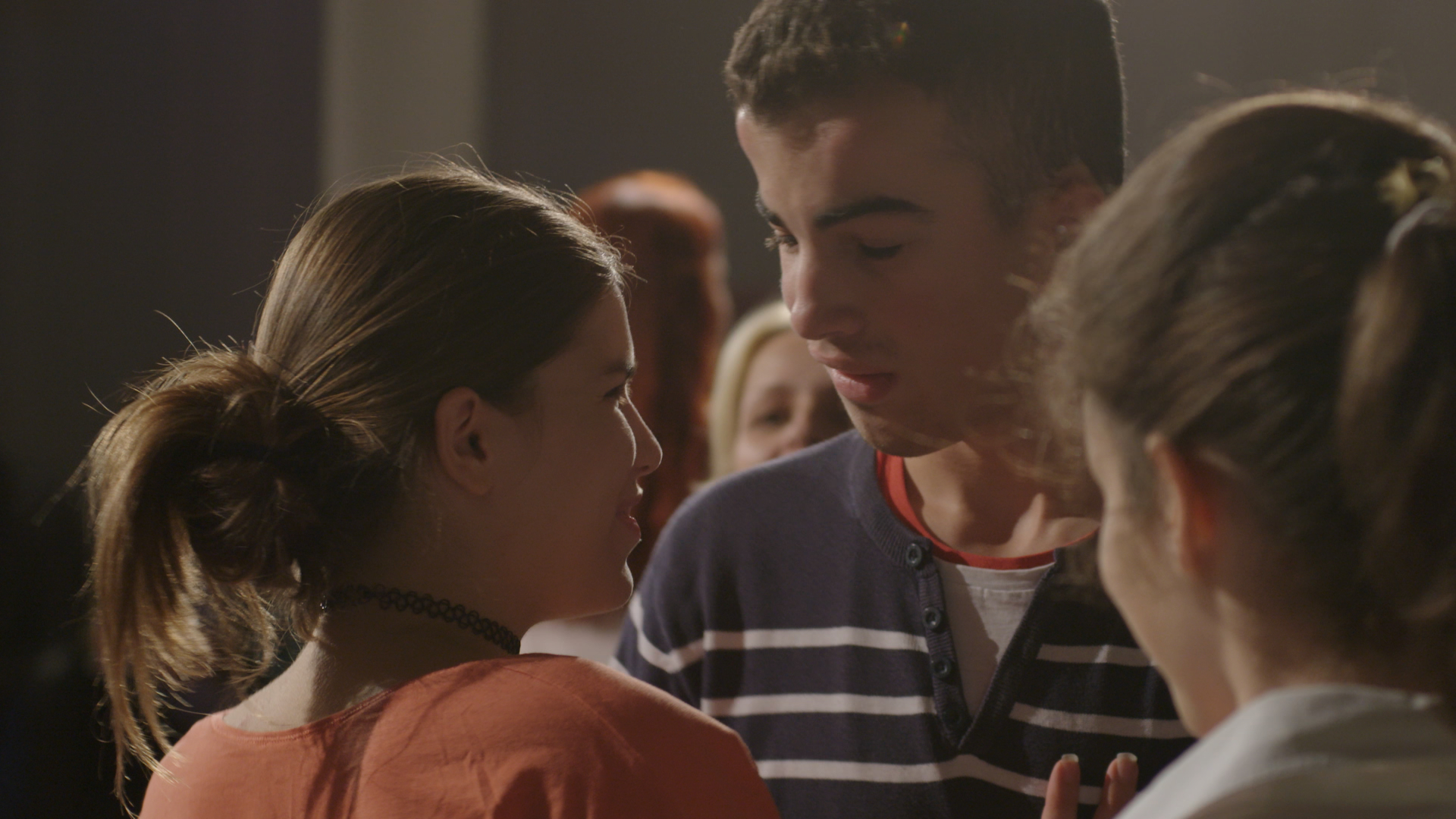
Confronting gender stereotypes in Serbia

Our member SRH Serbia (the Serbian Association for Sexual and Reproductive Health and Rights) decided to challenge gender stereotypes in Serbian society through the act of theatre-based workshops, in partnership with IPAK Center. In a country where social issues like gender are rarely a serious part of public debate, boys and girls taking part literally walk in one another's shoes to help challenge and dismantle 'gender roles'. As SRH Serbia's Dragana Stojanović says, "gender roles are merely roles that we are playing all our lives, and this is why playing them on the stage makes perfect sense." The project was funded by IPPF's Innovation Fund.

Serbian Association for Sexual and Reproductive Rights

The Serbian Association for Sexual and Reproductive Health and Rights (SRH Serbia/SRHS) was founded in 2002. It aims to improve the sexual and reproductive health (SRH) status of young people through advocacy and the practical delivery of services.

The organization also focuses on vulnerable and hard-to-reach groups (with particular reference to Roma) via a 'Health Mediators' project which is being rolled out in Belgrade, Nis and Bujanovac. 

Serbia roma community worker
14 January 2022

My Body, My Rights

My Body, My Rights is a three-year project supporting the lifelong reproductive health and freedom of Roma girls, by improving access and uptake of quality maternal and family planning healthcare for vulnerable communities in Bulgaria, Romania and Serbia. We are working holistically on the multiple fronts necessary to bring about lasting change. At the heart of the project lies participation by Roma people themselves, particularly the young. IPPF members in Bulgaria, Romania and Serbia are working in intersectional partnerships to empower girls and boys to become leaders in educating and informing their peers about sexual and reproductive health and rights, and in driving change for their community through advocacy. Relationship and sexuality education is vital for increasing support for gender equality and reproductive freedom among young Roma people, while awareness-raising in their communities is increasing the acceptability of modern contraceptives. Project partners are also training primary health care providers to update their technical knowledge and skills related to family planning in line with best practice and international standards, sensitising them to Roma health needs and to how stigma and discriminatory attitudes towards the Roma and young people negatively affect the quality of care they receive. Roma health mediators are our bridge between communities and healthcare providers. The project is also targeting decision-makers, carrying out advocacy for stronger political commitment to quality family planning care for communities often left behind.   Our members are using innovative approaches such as the development of an app to promote contraceptive acceptability. This work is coordinated by IPPF EN’s regional office, implemented by our national members in Bulgaria, Romania and Serbia, and funded by MSD for Mothers. Explore our project microsite!

Serbia
14 January 2022

Innovation Fund

The Innovation Fund is an IPPF funded programme that stimulates Member Associations to be creative and to think out of the box. The Innovation Programme tests new ideas and approaches to solving some of today's greatest sexual and reproductive health and rights challenges. The Innovation Programme connects local expertise with global knowledge to find new and effective ways to improve people’s sexual and reproductive health. The Member Associations in the Europe region have been quite successful in their applications, mostly focussing on advocacy. This is a programme which allows experimentation but then learns from both success and failure.  

Gender and the Union
19 July 2021

Podcast episode 4: Gender and The Union

Gender and The Union is a podcast exploring why policy changes matter to combat gender-based violence in the European Union, and why relationship and sexuality education is key to creating a more equal and safe future for all. In this 4-episode podcast series, we will create a dialogue between policy makers in the EU and the young people looking to advocate for positive change.      In this episode of Gender & The Union we discuss how the European Union and the government of Serbia prevent gender-based violence and fight inequalities, with Ms. Leonetta Pajer, head of Operations at the EU Delegation in Serbia and Gala, 16 years old and youth activist from Serbia. The podcast is moderated by Catherine Bailey Gluckman, programme advisor for youth work at IPPF EN. We have heard how gender equality, human rights, and relationship and sexuality education play an important role in the candidature of Serbia to the EU and how the EU and Serbia are working together to achieve a world free from sexism, violence and all forms of discrimination. Above all the relationship between the EU and Serbia should be a partnership that aspires to fulfil the hopes of young people like Gala. On her side, Gala has shared her expectations following the EU accession process, what progress she hopes to see on gender equality in Serbia, as well as what she is personally doing to better the lives of young people who want access to relationship and sexuality education, and who deserve a future where inequalities are diminished and harmful gender norms are a thing of the past. Quality relationship and sexuality education is necessary to ensure that young people live out the principles of gender equality but policy changes in the areas of rule of law, democracy and health are needed too.  We are now looking to both the Serbian government and the EU to make this happen together with young activists like Gala and her peers. This has been the final episode in our podcast series, Gender & The Union. Don't forget to catch up on the other three episodes.   This podcast series was commissioned by the International Planned Parenthood Federation European Network, produced by Positive Stories and funded by the European Union’s Rights, Equality and Citizenship Programme (REC 2014-2020), within the framework of the Youth SpectActors project. The content of this podcasts represents only the views of IPPF EN and is its sole responsibility. The European Commission does not accept any responsibility for use that may be made of the information it contains.

COVID-19 and SRHR
09 July 2021

COVID-19 IPPF innovation and best practice

The COVID-19 pandemic has had a profound impact on access to and enjoyment of sexual and reproductive health services and rights. While families, couples and individuals have faced intense pressure and hardship as a result of the pandemic, life-saving sexual and reproductive health (SRH) services and supplies, including sexual and gender-based violence services, have become scarce and/or inaccessible. Existing socioeconomic inequalities have been exacerbated, especially as they pertain to girls, women and marginalised groups.  As nationally owned and locally operated health service providers, IPPF Member Associations (MAs) remain committed to their communities and the people within them. In this Case Study series, we share progress, learning and innovation that has occurred within MAs over the course of the pandemic. The case studies cover: telemedicine for abortion in the COVID-19 context, SGBV response in COVID-19, adapting sexuality education in COVID-19 through digitalisation, and leaving no one behind, especially marginalised populations. Take a look at the above Case Studies from Bulgaria, Estonia, Serbia and Ireland. 

Young woman and contraceptive methods
26 September 2020

Making contraceptive freedom a reality in vulnerable communities

Today is World Contraception Day – a day for raising awareness about contraceptive care. It might seem surprising that we still need to raise awareness - isn’t everyone in Europe using modern contraception nowadays? Unfortunately, the answer is no. In Romania, Bulgaria and Serbia, for example, less than half of women use a modern method. Many women and girls from the poorest and most socially excluded communities in the Balkans rely on withdrawal. Contraceptive use is hugely influenced by myths and misinformation about hormonal contraception. This can be tackled by raising awareness and providing accurate information, which is exactly what we are doing in Roma communities in these countries. With support from the communities, our local partners are training and building essential life skills among Roma women and men to enable them to act as points of contact for their friends, children, neighbours and family. And this approach is bearing fruit. Last year, I visited Kosharnik, a neighbourhood in the city of Montana in the north of Bulgaria, where 6000 Roma have settled. 600 of them live in extreme poverty, without running water or electricity. They form a ‘ghetto within the ghetto’. Many have no income and struggle to survive. Contraception is a life-changer for women living in this neighbourhood. One young woman living here told us that local sessions organised by a health mediator from the community had convinced her of the advantages of contraceptive care. She had married at 17 and now, three years and one child later, had decided after careful consideration with her husband what was right for her: “One day, we spoke again.. about what is a good number of children in a family... I thought more about me and my family. We didn’t have a high income and could barely pay our bills. Our daughter was a baby and it was challenge to look after her. With my husband we started to discuss it, and I started to think about getting an IUD... That’s how six months ago I decided to have one fitted… My friends told me I’m crazy, they said I only have one child. But I know that I can decide myself when to have another, and that I’ll do so consciously.” Raising awareness is just part of the solution. Roma women and girls face many more hurdles to get the family planning services they need. Many are uninsured, which makes contraceptive care costly, so we support them to get health insurance. Often, it takes hours to reach healthcare services on public transport, so most women can’t even make the trip. That is why our Bulgarian partner collaborates with a doctor who visits the nearby community health center to provide contraceptive care free-of-charge. We encourage and even push doctors to get out of their consultation rooms and provide information, counselling and even services in the communities. This simple intervention boosts access for women and girls, but crucially also opens the eyes of the doctors, helping to change their perceptions and attitudes towards Roma people. In the words of one Serbian doctor: “This field work teaches me that we have to act like a human, to take the time to listen, ask and help”. Social norms and expectations are another reason that the uptake of contraceptive care is very low. Why would a young girl ask for contraception if she’s not even supposed to have sex before marriage? Or why would a teenage couple use contraception if they just got married and are expected to start a family as soon as possible ? Why would a man propose to his wife to use a condom – is he cheating on her? Young people and their communities need to talk - not just about contraception, but about sex, sexuality, relationships, gender, consent, and more! That’s why we support teachers, local nurses, health mediators and young people to build these essential life skills in their children and peers. Young people and children love the relationships and sexuality education sessions and even the adults we have trained get excited seeing the children’s enthusiasm. A community nurse in Romania told us: “This has helped us to see that more can be done... You realise that for a young girl of 11 or a young boy of 12, questions like "how to use a condom" or "what happens when you have sex with a girl on her period", are clearly taboo, and they have no one to talk to about these things because in their families it’s seen as shameful.... But we're trying to move forward and explain that it’s not bad to talk about these things..." Our work in the Balkans with some of Europe’s most vulnerable communities brings home just how much contraceptive care still changes and saves lives in Europe. It also highlights that making contraceptive freedom a reality for everyone requires civil society, decision-makers and care providers to unite as a team, with and for local communities. Above all, political commitment is needed to ensure all women can live safe and dignified reproductive lives. --- Marieka Vandewiele is a Senior Programme Advisor at IPPF EN's Regional Office.  You can read more about this work here.

serbia
10 November 2017

Confronting gender stereotypes in Serbia

Our member SRH Serbia (the Serbian Association for Sexual and Reproductive Health and Rights) decided to challenge gender stereotypes in Serbian society through the act of theatre-based workshops, in partnership with IPAK Center. In a country where social issues like gender are rarely a serious part of public debate, boys and girls taking part literally walk in one another's shoes to help challenge and dismantle 'gender roles'. As SRH Serbia's Dragana Stojanović says, "gender roles are merely roles that we are playing all our lives, and this is why playing them on the stage makes perfect sense." The project was funded by IPPF's Innovation Fund.

Serbian Association for Sexual and Reproductive Rights

The Serbian Association for Sexual and Reproductive Health and Rights (SRH Serbia/SRHS) was founded in 2002. It aims to improve the sexual and reproductive health (SRH) status of young people through advocacy and the practical delivery of services.

The organization also focuses on vulnerable and hard-to-reach groups (with particular reference to Roma) via a 'Health Mediators' project which is being rolled out in Belgrade, Nis and Bujanovac.