



Articles about Young People

25 October 2022
"Governments & health professionals need to give young people more opportunities."
We spoke to young people from the Western Balkans about how their access to sexual and reproductive health and rights was affected by the COVID pandemic, and asked them about their vision for re-designing a more youth-friendly future in which young people can flourish. Greis Osmani is a 23-year-old from Tirana, Albania. She is a medical student, peer educator and activist for young people’s sexual and reproductive health and rights. Greis, describe your experience of access to SRHR* education, information and care before and during COVID. Before the pandemic, I used to take part in a lot of workshops, projects and volunteer work in national NGOs. As a volunteer, especially with the Albanian Center for Population and Development (ACPD), I was trained in subjects like abortion stigma, gender equality and rights, contraceptive methods and sexuality education. I was well informed about other topics such as HIV/AIDS. The first year of the pandemic, the focus of the government and NGOs etc shifted more towards COVID and general health issues, not related to SRHR. Step by step, young people and the general public started getting used to online platforms, which gave us other opportunities to hold trainings online and carry on sharing safe information with other youth. Did anything change for the better during the pandemic in terms of access to SRHR? I believe it had pros and cons. First, we had to learn how to properly use new digital platforms and tools such as Zoom, Google Classroom and Meet, and add more interesting activities such as Murals and Quizzes. This made our online experience much more fun, aside from basic informative meetings, and we continue to use these platforms. Online platforms enable us to create a broader network of young people from different countries who connect more quickly, and for free, to share personal experiences as SRHR activists and empower one another. We are still learning and developing digital communication skills. We hope the moment will come when all young people feel comfortable using online tools, without facing a single barrier. What was the biggest challenge for SRHR during the pandemic? One of the biggest challenges I personally faced was the inability to express myself freely online and completely share personal experiences. Face-to-face meetings connect young people more with one another. One feels freer to talk with peers in person rather than share with those you may never meet in real life. It’s hard to break the ice in digital meetings that make people feel uncomfortable speaking directly and opening up. Also, it is very important that, as educators, the things we share in theory with other peers come to life in practical ways. For example, online we can’t distribute free condoms, and it’s harder to teach young people how to use them correctly. What lessons should governments and professionals who work with youth learn from the pandemic about how to look after young people’s health and wellbeing in a crisis? They need to understand the realities of young people’s access to SRHR, the gaps we face, our needs etc. They need to carry out more surveys to see how young people are coping with all the changes since the pandemic. They need to give us youngsters more opportunities to raise our voices, to engage in activities, to work as volunteers, to give us more hope for our future. It’s extremely hard for a teenager to stay at home distancing him/herself from everyday life and joy. COVID-19 was devastating for young people and had a big impact on their perspectives on life and desire to do more. Mental health was affected. Young people need to be able to maintain a healthy life, to experience happiness, and to invest in their future to become good doctors, lawyers, engineers and so on, to build a better lifestyle. Social connections and communication are key to mental health - that’s why creating safe platforms with adequate and necessary information for young people’s needs is crucial for their well-being. What is your number 1 recommendation on what is needed to make services more youth-friendly? For services to be youth-friendly, it is crucial to build trust between young people and health professionals. Youth-friendly services are included in our primary health care package and are provided by other private institutions and NGOs such as ACPD through its own clinics. However, trust and communication need to be built. The role of health mediators is also very important, especially if they are young themselves. This facilitates communication with youth as it is easier to share with someone your age; you feel more understood and can open up when the service is presented in a friendly way. It’s also important to create positive environments where young people can engage with each other, for example reading or studying in groups to make it less hard for them to express their true selves. It makes a big difference when a young person finds a reliable service, and seeks help when they are feeling lost. So social workers and innovative communication methods in my opinion are the key. Tell us about your experience as an activist for young people's health and rights! My experience has been great. It started in high school taking part in a social experiment and then I got more interested in topics like human rights, comprehensive sexuality education and SRH. I have learned so much from people I met during my activism years, I feel like my public speaking skills have gotten better with time. I have found subjects like SRHR which I feel are close to me because I’m about to become a doctor next year and my contribution started long ago in young people’s health. I’m constantly inspired by different projects to keep doing what I am doing now and create a stronger and empowered future for next generations here in my country Albania and beyond. I am happy that I have found role models in this journey of mine, I have heard speeches that are quotes for me to live by. I am grateful that there have been individuals that have pushed me to do better and engage more. I’m looking forward to the next chapters... * SRHR = sexual and reproductive health and rights Interview conducted by Marjo Rabiaj, a member of the regional youth group of the IPPF EN project Youth Voices, Youth Choices, funded by MSD for Mothers

29 September 2022
Combatting harmful gender norms through innovative education
Rigid gender norms or stereotypes limit people’s ability to pursue their professional careers and make choices about their lives. Gender norms not only limit people’s freedom and choices, but they end up condoning gender-based violence and perpetuating inequalities rooted in unbalanced power dynamics. As a result, people are coerced by collective expectations into taking up gender roles that stop them from pursuing the careers and relationships they want, or even being themselves. For example, young men are often expected to suppress their emotions so that they can conform to damaging understandings of strength and masculinity. This leaves men illequipped to express or navigate through their emotions, which can later on cause issues for their mental health. Equally, young women are often expected to be polite and accommodating to others - even in situations where they are made to feel uncomfortable. Conforming to this expectation can make it more difficult for women to assert themselves and can lead to their enduring discrimination or abuse without possessing the skills or confidence to address it. But relationship and sexuality education can play a crucial role in dismantling and challenging harmful gender norms, thus preventing gender-based violence and giving young people the skills needed to lead more equal and safe lives. Furthermore, training of adults and educators is key to raising their awareness around existing gender stereotypes that they may inadvertently perpetuate. Civil society organisations in Serbia, Estonia, Romania and Latvia came together under the Youth SpectActors project to do just that. The main purpose of the project was to educate and empower young people between 12-25 years of age to question gender norms, attitudes and stereotypes that contribute or could lead to gender-based-violence (GBV) through organising theatrical plays that deal with typical situations where gender identity and expression occur. Read about the results of our project on people's lives in the below factsheet.
06 April 2022
A Youth-Centred Approach
IPPF European Network has developed a YCA toolkit with the aim of improving the confidence and capacity of young people and adults to implement, upgrade and expand youth participation in our members. But the principles of the approach could be applied in other organizations outside IPPF who want to involve more youth voices in their work. The toolkit was developed during YCA coaching initiatives with IPPF members. As a result: Members redesigned youth policies, strategies and practices Youth groups were revived, and the number of young volunteers increased Youth became more involved in decision-making within our member associations Youth-friendly working spaces were set up Working relations between youth and members were strengthened Best practices were exchanged between members
30 March 2022
Youth access to SRH information, education and care in the Balkans in COVID times
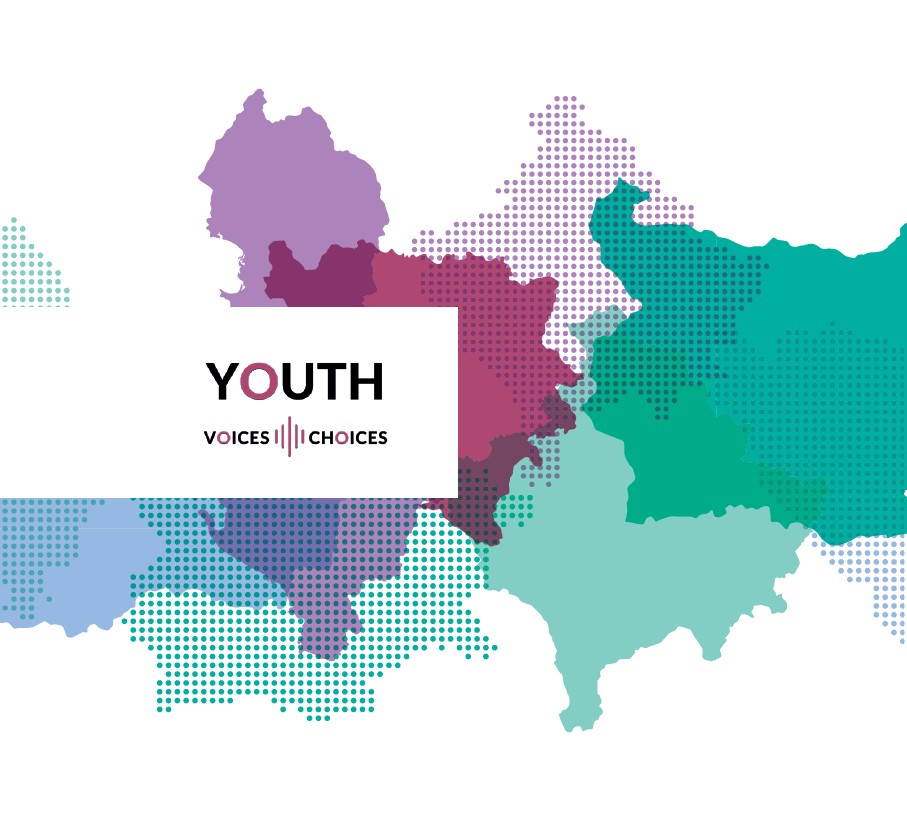
COVID-19 created the largest health and socio-economic crisis of our generation. Many health systems were pushed to the brink by restrictive measures rushed in to respond to the pandemic, resulting in the deprioritisation of some existing healthcare services. In almost all European countries, COVID-19 had a negative impact on the delivery of vital sexual and reproductive healthcare, including maternal health and family planning, for women and groups that face barriers to accessing care, including young people. The pandemic also uncovered weaknesses within our systems and exposed the fact that countries are not adequately prepared to deal with health emergencies. To help bring about positive change for young people, IPPF European Network is working to strengthen healthcare systems through the project Youth Voices, Youth Choices, and to remove all kinds of barriers preventing youth from accessing essential care in five Balkan countries: Albania; Bosnia & Herzegovina; Bulgaria, Kosovo and North Macedonia. We are focusing particularly on the needs of those living in remote areas, as well as those from communities that face challenging social conditions, such as the Roma. POLICY RECOMMENDATIONS In October 2022, IPPF EN launched a set of regional policy recommendations that call on decision-makers to listen to young people and uphold their SRHR as they build back health and social systems in the wake of the pandemic. Presented at the European Parliament on 26 October by youth advocates and experts, with the support of MEP Fred Matić, the recommendations were developed by a group of specialists who came together to develop a blueprint for designing systems that prioritise access to youth-friendly SRH care, and better support of young people’s health and well-being. The policy recommendations are available for download below. RESEARCH REPORT As a basis for this work, in 2021 and early 2022, we conducted a study to provide us with a clearer picture of the impact of the pandemic on young people’s SRHR. The data was published in a series of reports presenting the findings of the study, carried out by and among youth in five Balkan countries. The reports, available for download below, document young people’s SRH needs and experiences and the perspectives of healthcare providers and other relevant stakeholders on these needs. They also capture the latter’s needs as they deliver services, information and education to young people, building on their experience of COVID-19. YOUTH VOICES Young people are at the heart of this work. They were part of the teams that carried out the research presented in the reports below. They participated in the expert groups that developed our regional recommendations for policy change (below) at national and regional level, and they are being supported and empowered to advocate for these changes. Youth were also in the lead at our 'Healthy Youth – Healthy Future' multi-stakeholder meeting in Tirana in spring 2023, where together with staff from our partner organisations they held discussions with decision-makers and experts from the field, concluding with the signing of a joint declaration on protecting the health and social wellbeing of young people during and beyond moments of crisis - available for download below. Young people also carried out a series of interviews among their peers to share stories of how the pandemic affected their access to SRHR, and what their vision is for a more youth-friendly future that listens to the younger generations and upholds their SRHR.

17 February 2022
Young people breaking gender stereotypes
The Youth SpectActors project, implemented in Serbia, Romania, Latvia and Estonia, addresses the root causes of gender-based violence (GBV), namely traditional patriarchal systems based on harmful and rigid gender norms around masculinity and femininity, gender-based discrimination and unequal power relations. Young people are at the centre of our intervention, because of the far-reaching impact of GBV in their lives – as survivors, perpetrators, or bystanders. We believe that young people have a key role they play as change agents. To this end we run theatre-based workshops where boys and girls who participate literally walk in one another's shoes to help challenge and dismantle 'gender roles'. Gender roles are merely roles that we are playing all our lives, and this is why playing them on the stage makes perfect sense. By dismantling archaic stereotypes, we can foster equality and prevent violence and coercion within relationships. Relationship and sexuality education, in school settings and outside, plays a key role in ensuring the safe emotional and physical development of young people.

09 December 2021
Safe from Sexual and Gender-Based Violence - toolkit
This is the Safe from sexual and gender-based violence (SfSGBV) toolkit. Its main purpose is to guide the delivery of sexuality education sessions that support young people at risk of marginalization to recognize and protect themselves from SGBV. The toolkit is designed for the use of experienced sexuality education educators. Equally, it is a valuable resource for young people interested to learn more about prevention of sexual and gender-based violence. You can learn from the toolkit either through our interactive website or by downloading the resource below.

05 October 2021
Girls unite to shape the EU-Africa partnership
The European Week of Action for Girls (EWAG), that is annually organised to mark International Day of the Girl (11th October), gathers young advocates to advance girls’ rights and gender equality in the EU space. This year, it is providing a platform for girls to speak out about how the AU-EU Partnership can reflect their aspirations and unlock their potential. It is crucial that the strategy enables dialogue between both regions, allowing for mutual learning and joint and coordinated actions, especially on issues that affect girls and young women both in the EU and the AU - such as sexual and gender-based violence (SGBV), Sexual and Reproductive Health and Rights (SRHR), Education and Economic Empowerment and Political Participation. Over the summer of 2021 the EWAG young advocates connected on several occasions to define their recommendations to the EU in four key areas. Read more below and watch our video summarizing youth advocates' recommendations.
14 January 2022
Youth SpectActors
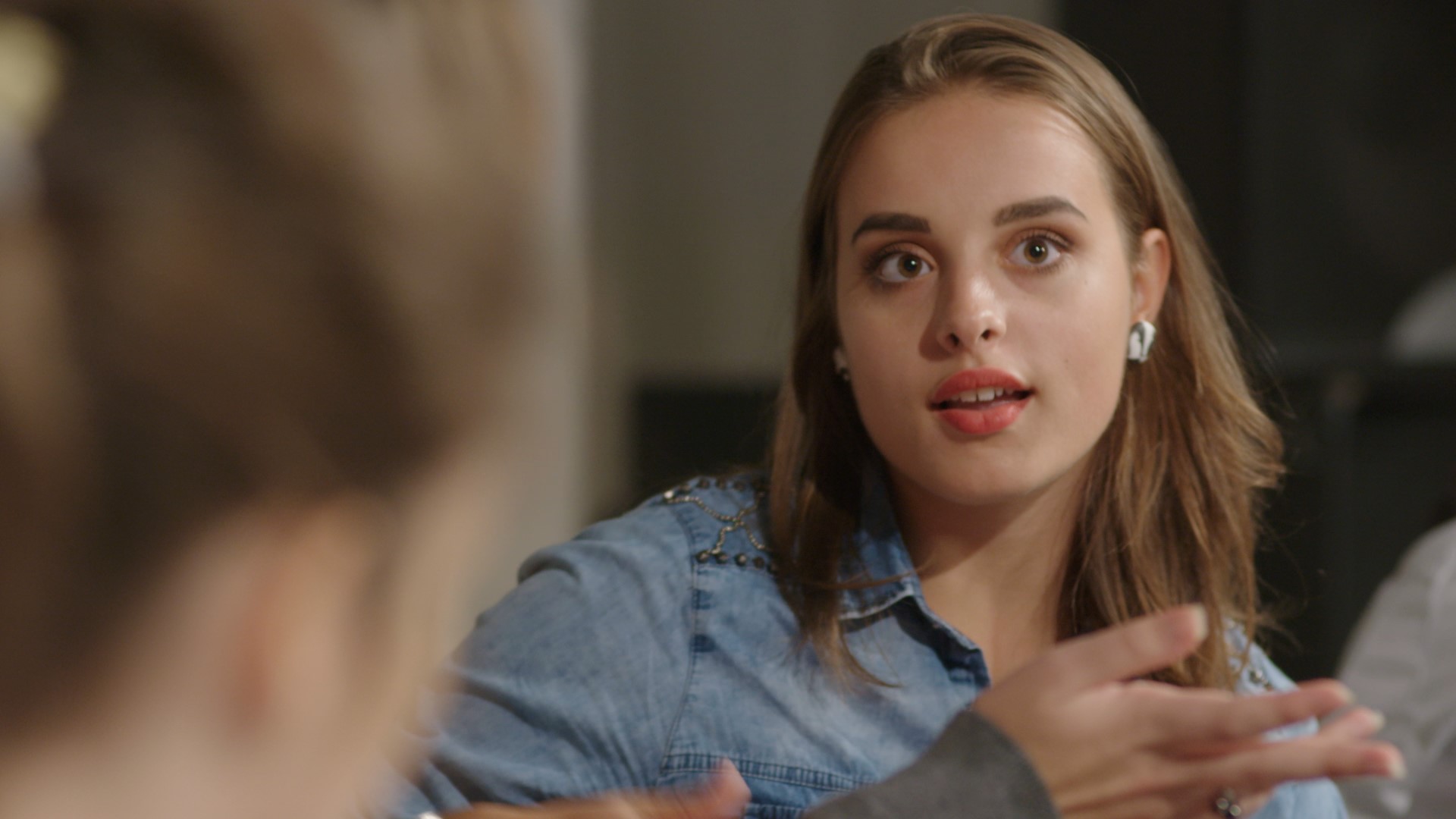
The Youth SpectActors project, implemented in Serbia, Romania, Latvia and Estonia, addresses the root causes of gender-based violence (GBV), namely traditional patriarchal systems based on harmful and rigid gender norms around masculinity and femininity, gender-based discrimination and unequal power relations. Young people are at the centre of our intervention, because of the far-reaching impact of GBV in their lives – as survivors, perpetrators, or bystanders. We believe that young people have a key role they play as change agents. To this end we run theatre-based workshops where boys and girls who participate literally walk in one another's shoes to help challenge and dismantle 'gender roles'. Gender roles are merely roles that we are playing all our lives, and this is why playing them on the stage makes perfect sense. By dismantling archaic stereotypes, we can foster equality and prevent violence and coercion within relationships. Relationship and sexuality education, in school settings and outside, plays a key role in ensuring the safe emotional and physical development of young people. This project was funded by the European Union’s Rights, Equality and Citizenship Programme (REC 2014-2020).

09 December 2020
Girls connect to shape the EU-Africa partnership
Covid-19 didn’t stop us! This year, we did things slightly differently, we’ll did it the youth’s way! To mark the International Day of the Girl (11th October) our coalition of nine Civil Society Organisations joined forces for the eighth time, bringing together a group of close to 30 young advocates, from Europe and Africa, who connected online to share their recommendations with European Union decision-makers. This year’s EWAG focused on the relationship between the European Union (EU) and Africa. In the framework of EWAG the young advocates were provided a platform to speak out about how the EU-Africa partnership can reflect their aspirations and unlock their potential. The partnership reflected the points of views of both regions, allowing for mutual learning and joint and coordinated actions, especially on issues that affect girls and young women both in the EU and the Africa – such as sexual and gender-based violence (SGBV), Sexual and Reproductive Health and Rights (SRHR), Education and Economic Empowerment and Political Participation. Over the summer of 2020 the EWAG young advocates connected on several occasions to define their recommendations to the EU in four key areas. Throughout the course of October, in light of the International Day of the Girl, they spoke out to EU decision-makers on distinct challenges girls face based on their age and gender and how they believe the EU-Africa Partnership could address their concerns to make sure it truly makes a contribution to girls’ lives and their futures. These are their asks.

17 July 2017
Youth Strategy for SRHR in Europe and Central Asia - by Youth-in-Power
The Youth-in-Power Youth Strategy is a powerful tool for young activists working on empowering their peers and advocating on behalf of the sexual and reproductive health and rights of young people in Europe and Central Asia. IPPF EN's youth network YSAFE joined forces with regional youth network partners YouAct, Y-PEER and ASTRA Youth, as well as the PETRI-Sofia research institute, to gather young people's knowledge, experience, needs, ideas and visions and bring them together in this up-to-date and comprehensive strategy. The recommendations cover topics ranging from comprehensive sexuality education and sexual and reproductive health services to youth participation in decision-making processes.
25 October 2022
"Governments & health professionals need to give young people more opportunities."
We spoke to young people from the Western Balkans about how their access to sexual and reproductive health and rights was affected by the COVID pandemic, and asked them about their vision for re-designing a more youth-friendly future in which young people can flourish. Greis Osmani is a 23-year-old from Tirana, Albania. She is a medical student, peer educator and activist for young people’s sexual and reproductive health and rights. Greis, describe your experience of access to SRHR* education, information and care before and during COVID. Before the pandemic, I used to take part in a lot of workshops, projects and volunteer work in national NGOs. As a volunteer, especially with the Albanian Center for Population and Development (ACPD), I was trained in subjects like abortion stigma, gender equality and rights, contraceptive methods and sexuality education. I was well informed about other topics such as HIV/AIDS. The first year of the pandemic, the focus of the government and NGOs etc shifted more towards COVID and general health issues, not related to SRHR. Step by step, young people and the general public started getting used to online platforms, which gave us other opportunities to hold trainings online and carry on sharing safe information with other youth. Did anything change for the better during the pandemic in terms of access to SRHR? I believe it had pros and cons. First, we had to learn how to properly use new digital platforms and tools such as Zoom, Google Classroom and Meet, and add more interesting activities such as Murals and Quizzes. This made our online experience much more fun, aside from basic informative meetings, and we continue to use these platforms. Online platforms enable us to create a broader network of young people from different countries who connect more quickly, and for free, to share personal experiences as SRHR activists and empower one another. We are still learning and developing digital communication skills. We hope the moment will come when all young people feel comfortable using online tools, without facing a single barrier. What was the biggest challenge for SRHR during the pandemic? One of the biggest challenges I personally faced was the inability to express myself freely online and completely share personal experiences. Face-to-face meetings connect young people more with one another. One feels freer to talk with peers in person rather than share with those you may never meet in real life. It’s hard to break the ice in digital meetings that make people feel uncomfortable speaking directly and opening up. Also, it is very important that, as educators, the things we share in theory with other peers come to life in practical ways. For example, online we can’t distribute free condoms, and it’s harder to teach young people how to use them correctly. What lessons should governments and professionals who work with youth learn from the pandemic about how to look after young people’s health and wellbeing in a crisis? They need to understand the realities of young people’s access to SRHR, the gaps we face, our needs etc. They need to carry out more surveys to see how young people are coping with all the changes since the pandemic. They need to give us youngsters more opportunities to raise our voices, to engage in activities, to work as volunteers, to give us more hope for our future. It’s extremely hard for a teenager to stay at home distancing him/herself from everyday life and joy. COVID-19 was devastating for young people and had a big impact on their perspectives on life and desire to do more. Mental health was affected. Young people need to be able to maintain a healthy life, to experience happiness, and to invest in their future to become good doctors, lawyers, engineers and so on, to build a better lifestyle. Social connections and communication are key to mental health - that’s why creating safe platforms with adequate and necessary information for young people’s needs is crucial for their well-being. What is your number 1 recommendation on what is needed to make services more youth-friendly? For services to be youth-friendly, it is crucial to build trust between young people and health professionals. Youth-friendly services are included in our primary health care package and are provided by other private institutions and NGOs such as ACPD through its own clinics. However, trust and communication need to be built. The role of health mediators is also very important, especially if they are young themselves. This facilitates communication with youth as it is easier to share with someone your age; you feel more understood and can open up when the service is presented in a friendly way. It’s also important to create positive environments where young people can engage with each other, for example reading or studying in groups to make it less hard for them to express their true selves. It makes a big difference when a young person finds a reliable service, and seeks help when they are feeling lost. So social workers and innovative communication methods in my opinion are the key. Tell us about your experience as an activist for young people's health and rights! My experience has been great. It started in high school taking part in a social experiment and then I got more interested in topics like human rights, comprehensive sexuality education and SRH. I have learned so much from people I met during my activism years, I feel like my public speaking skills have gotten better with time. I have found subjects like SRHR which I feel are close to me because I’m about to become a doctor next year and my contribution started long ago in young people’s health. I’m constantly inspired by different projects to keep doing what I am doing now and create a stronger and empowered future for next generations here in my country Albania and beyond. I am happy that I have found role models in this journey of mine, I have heard speeches that are quotes for me to live by. I am grateful that there have been individuals that have pushed me to do better and engage more. I’m looking forward to the next chapters... * SRHR = sexual and reproductive health and rights Interview conducted by Marjo Rabiaj, a member of the regional youth group of the IPPF EN project Youth Voices, Youth Choices, funded by MSD for Mothers
29 September 2022
Combatting harmful gender norms through innovative education
Rigid gender norms or stereotypes limit people’s ability to pursue their professional careers and make choices about their lives. Gender norms not only limit people’s freedom and choices, but they end up condoning gender-based violence and perpetuating inequalities rooted in unbalanced power dynamics. As a result, people are coerced by collective expectations into taking up gender roles that stop them from pursuing the careers and relationships they want, or even being themselves. For example, young men are often expected to suppress their emotions so that they can conform to damaging understandings of strength and masculinity. This leaves men illequipped to express or navigate through their emotions, which can later on cause issues for their mental health. Equally, young women are often expected to be polite and accommodating to others - even in situations where they are made to feel uncomfortable. Conforming to this expectation can make it more difficult for women to assert themselves and can lead to their enduring discrimination or abuse without possessing the skills or confidence to address it. But relationship and sexuality education can play a crucial role in dismantling and challenging harmful gender norms, thus preventing gender-based violence and giving young people the skills needed to lead more equal and safe lives. Furthermore, training of adults and educators is key to raising their awareness around existing gender stereotypes that they may inadvertently perpetuate. Civil society organisations in Serbia, Estonia, Romania and Latvia came together under the Youth SpectActors project to do just that. The main purpose of the project was to educate and empower young people between 12-25 years of age to question gender norms, attitudes and stereotypes that contribute or could lead to gender-based-violence (GBV) through organising theatrical plays that deal with typical situations where gender identity and expression occur. Read about the results of our project on people's lives in the below factsheet.
06 April 2022
A Youth-Centred Approach
IPPF European Network has developed a YCA toolkit with the aim of improving the confidence and capacity of young people and adults to implement, upgrade and expand youth participation in our members. But the principles of the approach could be applied in other organizations outside IPPF who want to involve more youth voices in their work. The toolkit was developed during YCA coaching initiatives with IPPF members. As a result: Members redesigned youth policies, strategies and practices Youth groups were revived, and the number of young volunteers increased Youth became more involved in decision-making within our member associations Youth-friendly working spaces were set up Working relations between youth and members were strengthened Best practices were exchanged between members
30 March 2022
Youth access to SRH information, education and care in the Balkans in COVID times
COVID-19 created the largest health and socio-economic crisis of our generation. Many health systems were pushed to the brink by restrictive measures rushed in to respond to the pandemic, resulting in the deprioritisation of some existing healthcare services. In almost all European countries, COVID-19 had a negative impact on the delivery of vital sexual and reproductive healthcare, including maternal health and family planning, for women and groups that face barriers to accessing care, including young people. The pandemic also uncovered weaknesses within our systems and exposed the fact that countries are not adequately prepared to deal with health emergencies. To help bring about positive change for young people, IPPF European Network is working to strengthen healthcare systems through the project Youth Voices, Youth Choices, and to remove all kinds of barriers preventing youth from accessing essential care in five Balkan countries: Albania; Bosnia & Herzegovina; Bulgaria, Kosovo and North Macedonia. We are focusing particularly on the needs of those living in remote areas, as well as those from communities that face challenging social conditions, such as the Roma. POLICY RECOMMENDATIONS In October 2022, IPPF EN launched a set of regional policy recommendations that call on decision-makers to listen to young people and uphold their SRHR as they build back health and social systems in the wake of the pandemic. Presented at the European Parliament on 26 October by youth advocates and experts, with the support of MEP Fred Matić, the recommendations were developed by a group of specialists who came together to develop a blueprint for designing systems that prioritise access to youth-friendly SRH care, and better support of young people’s health and well-being. The policy recommendations are available for download below. RESEARCH REPORT As a basis for this work, in 2021 and early 2022, we conducted a study to provide us with a clearer picture of the impact of the pandemic on young people’s SRHR. The data was published in a series of reports presenting the findings of the study, carried out by and among youth in five Balkan countries. The reports, available for download below, document young people’s SRH needs and experiences and the perspectives of healthcare providers and other relevant stakeholders on these needs. They also capture the latter’s needs as they deliver services, information and education to young people, building on their experience of COVID-19. YOUTH VOICES Young people are at the heart of this work. They were part of the teams that carried out the research presented in the reports below. They participated in the expert groups that developed our regional recommendations for policy change (below) at national and regional level, and they are being supported and empowered to advocate for these changes. Youth were also in the lead at our 'Healthy Youth – Healthy Future' multi-stakeholder meeting in Tirana in spring 2023, where together with staff from our partner organisations they held discussions with decision-makers and experts from the field, concluding with the signing of a joint declaration on protecting the health and social wellbeing of young people during and beyond moments of crisis - available for download below. Young people also carried out a series of interviews among their peers to share stories of how the pandemic affected their access to SRHR, and what their vision is for a more youth-friendly future that listens to the younger generations and upholds their SRHR.
17 February 2022
Young people breaking gender stereotypes
The Youth SpectActors project, implemented in Serbia, Romania, Latvia and Estonia, addresses the root causes of gender-based violence (GBV), namely traditional patriarchal systems based on harmful and rigid gender norms around masculinity and femininity, gender-based discrimination and unequal power relations. Young people are at the centre of our intervention, because of the far-reaching impact of GBV in their lives – as survivors, perpetrators, or bystanders. We believe that young people have a key role they play as change agents. To this end we run theatre-based workshops where boys and girls who participate literally walk in one another's shoes to help challenge and dismantle 'gender roles'. Gender roles are merely roles that we are playing all our lives, and this is why playing them on the stage makes perfect sense. By dismantling archaic stereotypes, we can foster equality and prevent violence and coercion within relationships. Relationship and sexuality education, in school settings and outside, plays a key role in ensuring the safe emotional and physical development of young people.
09 December 2021
Safe from Sexual and Gender-Based Violence - toolkit
This is the Safe from sexual and gender-based violence (SfSGBV) toolkit. Its main purpose is to guide the delivery of sexuality education sessions that support young people at risk of marginalization to recognize and protect themselves from SGBV. The toolkit is designed for the use of experienced sexuality education educators. Equally, it is a valuable resource for young people interested to learn more about prevention of sexual and gender-based violence. You can learn from the toolkit either through our interactive website or by downloading the resource below.
05 October 2021
Girls unite to shape the EU-Africa partnership
The European Week of Action for Girls (EWAG), that is annually organised to mark International Day of the Girl (11th October), gathers young advocates to advance girls’ rights and gender equality in the EU space. This year, it is providing a platform for girls to speak out about how the AU-EU Partnership can reflect their aspirations and unlock their potential. It is crucial that the strategy enables dialogue between both regions, allowing for mutual learning and joint and coordinated actions, especially on issues that affect girls and young women both in the EU and the AU - such as sexual and gender-based violence (SGBV), Sexual and Reproductive Health and Rights (SRHR), Education and Economic Empowerment and Political Participation. Over the summer of 2021 the EWAG young advocates connected on several occasions to define their recommendations to the EU in four key areas. Read more below and watch our video summarizing youth advocates' recommendations.
14 January 2022
Youth SpectActors
The Youth SpectActors project, implemented in Serbia, Romania, Latvia and Estonia, addresses the root causes of gender-based violence (GBV), namely traditional patriarchal systems based on harmful and rigid gender norms around masculinity and femininity, gender-based discrimination and unequal power relations. Young people are at the centre of our intervention, because of the far-reaching impact of GBV in their lives – as survivors, perpetrators, or bystanders. We believe that young people have a key role they play as change agents. To this end we run theatre-based workshops where boys and girls who participate literally walk in one another's shoes to help challenge and dismantle 'gender roles'. Gender roles are merely roles that we are playing all our lives, and this is why playing them on the stage makes perfect sense. By dismantling archaic stereotypes, we can foster equality and prevent violence and coercion within relationships. Relationship and sexuality education, in school settings and outside, plays a key role in ensuring the safe emotional and physical development of young people. This project was funded by the European Union’s Rights, Equality and Citizenship Programme (REC 2014-2020).
09 December 2020
Girls connect to shape the EU-Africa partnership
Covid-19 didn’t stop us! This year, we did things slightly differently, we’ll did it the youth’s way! To mark the International Day of the Girl (11th October) our coalition of nine Civil Society Organisations joined forces for the eighth time, bringing together a group of close to 30 young advocates, from Europe and Africa, who connected online to share their recommendations with European Union decision-makers. This year’s EWAG focused on the relationship between the European Union (EU) and Africa. In the framework of EWAG the young advocates were provided a platform to speak out about how the EU-Africa partnership can reflect their aspirations and unlock their potential. The partnership reflected the points of views of both regions, allowing for mutual learning and joint and coordinated actions, especially on issues that affect girls and young women both in the EU and the Africa – such as sexual and gender-based violence (SGBV), Sexual and Reproductive Health and Rights (SRHR), Education and Economic Empowerment and Political Participation. Over the summer of 2020 the EWAG young advocates connected on several occasions to define their recommendations to the EU in four key areas. Throughout the course of October, in light of the International Day of the Girl, they spoke out to EU decision-makers on distinct challenges girls face based on their age and gender and how they believe the EU-Africa Partnership could address their concerns to make sure it truly makes a contribution to girls’ lives and their futures. These are their asks.
17 July 2017
Youth Strategy for SRHR in Europe and Central Asia - by Youth-in-Power
The Youth-in-Power Youth Strategy is a powerful tool for young activists working on empowering their peers and advocating on behalf of the sexual and reproductive health and rights of young people in Europe and Central Asia. IPPF EN's youth network YSAFE joined forces with regional youth network partners YouAct, Y-PEER and ASTRA Youth, as well as the PETRI-Sofia research institute, to gather young people's knowledge, experience, needs, ideas and visions and bring them together in this up-to-date and comprehensive strategy. The recommendations cover topics ranging from comprehensive sexuality education and sexual and reproductive health services to youth participation in decision-making processes.
