



Articles about Sexual and Gender-Based Violence
05 May 2022
Protecting EU Rights and Values
Gender inequality and harmful gender norms remain widespread in the EU. While sexual and reproductive health and rights are at the core of gender equality and women’s rights and empowerment, their attainment varies greatly from country to country. Women and girls, particularly those marginalised by systemic oppression, face significant barriers to sexual and reproductive healthcare, information and education, which violates their human rights and hinders progress towards gender equality. Discourse from anti-rights movements continues to undermine the significant progress achieved in safeguarding SRHR and threatens many of the rights and values that the EU aims to protect. It is in this context that IPPF EN, together with its Member Associations (MAs) and partners, is working to progress towards a more gender equal world where people in all their diversity are released from harmful gender norms and fully empowered to make decisions over their lives and bodies. We are working to strengthen support in the EU institutions and Member States for gender equality and women’s rights by: Increasing engagement and capacity of civil society actors to act in a strategic and coordinated manner when promoting gender equality and women’s rights. Ensuring that policy and decision makers at all levels (EU, national and local) are creating progressive legislative and policy frameworks that protect and advance gender equality and women’s rights, including SRHR within the EU. Educating and empowering young people, as a new generation of EU citizens, to become leaders and drivers of the long-term change process needed around societal norms and behaviours that advances gender equality, eliminates harmful gender stereotypes and intersectional discrimination, and prevents sexual and gender-based violence (SGBV). Strengthening the technical and organisational capacity of IPPF EN members and partners to design, implement and sustain intersectional, gender transformative initiatives. 2024 MAIN ACHIEVEMENTS In 2024, under the CERV programme, IPPF EN collaborated with 24 EU-based MAs and collaborative partners (CPs). Our achievements in 2024 include: Supporting civil society movements by creating spaces for our MAs, CPs and other stakeholders to exchange expertise, learn from each other's experiences (and challenges), engage in closer dialogue, build stronger partnerships, and strategise more effectively and proactively against anti-rights movements. Activities included coaching sessions, communities of practice, peer-to-peer sharing and webinars. Sharing expertise with and building the capacity of MAs and CPs to strengthen their involvement in EU processes; and provide them with support and solidarity actions when SRHR were under threat in their national contexts. We contributed to a total of 40 advocacy wins in 2024, and of these 26 were at national level. Advancing IPPF EN’s initiative to contribute new evidence on how sexuality and relationship education (SRE) can help to prevent gender-based violence (GBV) through use of the vital tool developed by IPPF EN’s young volunteers. Meanwhile, in 2024, our EU-based MAs and CPs reached a total of 76,687 young people with SRE through their direct efforts, and of these 3,903 were reached with complete sessions. The total number of young people reached with SRE rises to 820,008 young people with the inclusion of data from the Netherlands and Germany where sexuality education is mandatory for young people. These combined figures reflect an approximate 28% increase in the proportion of young people MAs and CPs have managed to reach compared to the previous year. Strengthening the technical and organizational capacity of MAs and CPs through the implementation of gender assessments, collaboration activities as well as strategy alignment and accreditation. and capacity strengthening activities. You can read more about our work and impact in IPPF EN's Annual Report 2024.
14 January 2022
Youth SpectActors
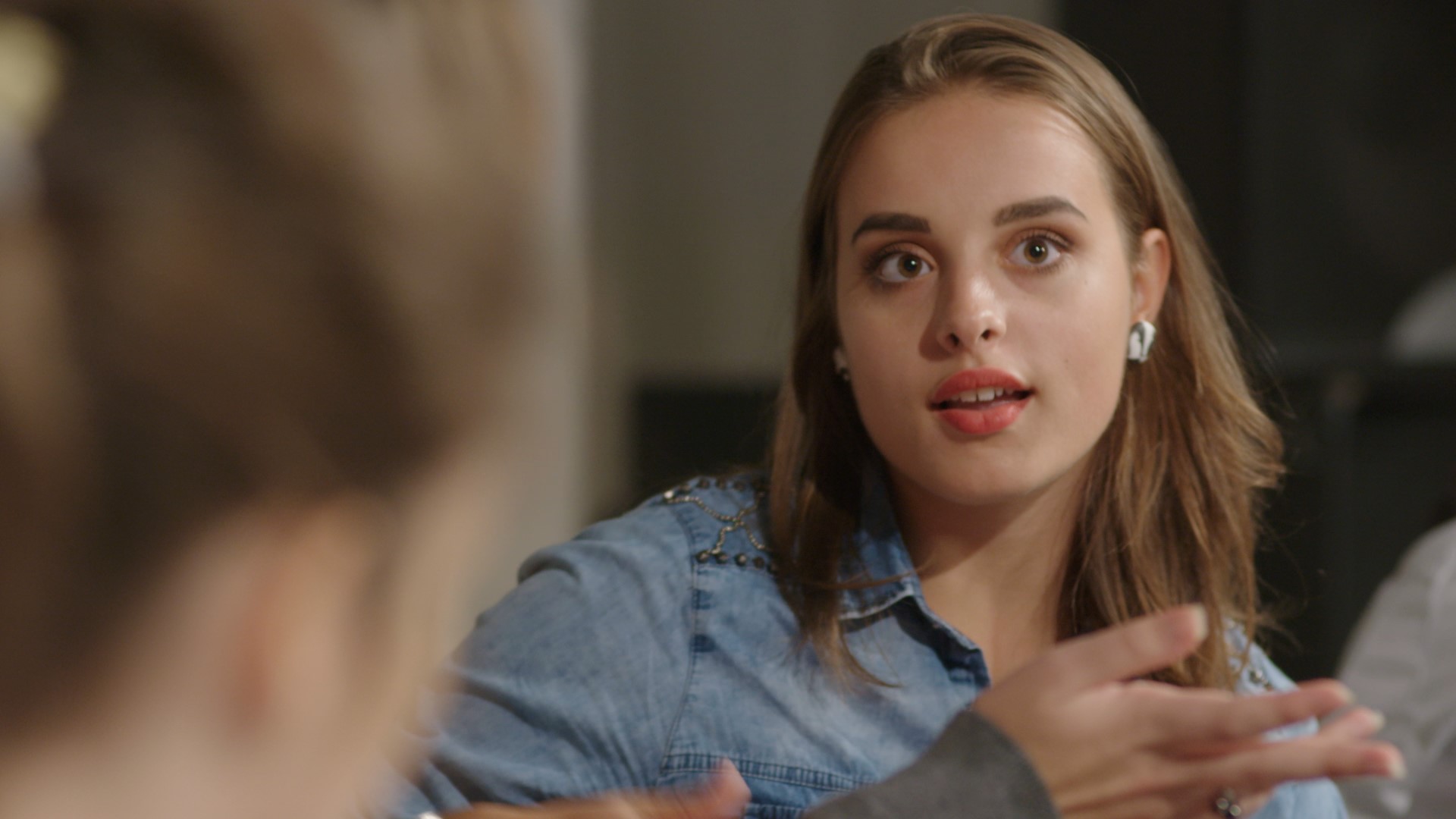
The Youth SpectActors project, implemented in Serbia, Romania, Latvia and Estonia, addresses the root causes of gender-based violence (GBV), namely traditional patriarchal systems based on harmful and rigid gender norms around masculinity and femininity, gender-based discrimination and unequal power relations. Young people are at the centre of our intervention, because of the far-reaching impact of GBV in their lives – as survivors, perpetrators, or bystanders. We believe that young people have a key role they play as change agents. To this end we run theatre-based workshops where boys and girls who participate literally walk in one another's shoes to help challenge and dismantle 'gender roles'. Gender roles are merely roles that we are playing all our lives, and this is why playing them on the stage makes perfect sense. By dismantling archaic stereotypes, we can foster equality and prevent violence and coercion within relationships. Relationship and sexuality education, in school settings and outside, plays a key role in ensuring the safe emotional and physical development of young people. This project was funded by the European Union’s Rights, Equality and Citizenship Programme (REC 2014-2020).
05 May 2022
Protecting EU Rights and Values
Gender inequality and harmful gender norms remain widespread in the EU. While sexual and reproductive health and rights are at the core of gender equality and women’s rights and empowerment, their attainment varies greatly from country to country. Women and girls, particularly those marginalised by systemic oppression, face significant barriers to sexual and reproductive healthcare, information and education, which violates their human rights and hinders progress towards gender equality. Discourse from anti-rights movements continues to undermine the significant progress achieved in safeguarding SRHR and threatens many of the rights and values that the EU aims to protect. It is in this context that IPPF EN, together with its Member Associations (MAs) and partners, is working to progress towards a more gender equal world where people in all their diversity are released from harmful gender norms and fully empowered to make decisions over their lives and bodies. We are working to strengthen support in the EU institutions and Member States for gender equality and women’s rights by: Increasing engagement and capacity of civil society actors to act in a strategic and coordinated manner when promoting gender equality and women’s rights. Ensuring that policy and decision makers at all levels (EU, national and local) are creating progressive legislative and policy frameworks that protect and advance gender equality and women’s rights, including SRHR within the EU. Educating and empowering young people, as a new generation of EU citizens, to become leaders and drivers of the long-term change process needed around societal norms and behaviours that advances gender equality, eliminates harmful gender stereotypes and intersectional discrimination, and prevents sexual and gender-based violence (SGBV). Strengthening the technical and organisational capacity of IPPF EN members and partners to design, implement and sustain intersectional, gender transformative initiatives. 2024 MAIN ACHIEVEMENTS In 2024, under the CERV programme, IPPF EN collaborated with 24 EU-based MAs and collaborative partners (CPs). Our achievements in 2024 include: Supporting civil society movements by creating spaces for our MAs, CPs and other stakeholders to exchange expertise, learn from each other's experiences (and challenges), engage in closer dialogue, build stronger partnerships, and strategise more effectively and proactively against anti-rights movements. Activities included coaching sessions, communities of practice, peer-to-peer sharing and webinars. Sharing expertise with and building the capacity of MAs and CPs to strengthen their involvement in EU processes; and provide them with support and solidarity actions when SRHR were under threat in their national contexts. We contributed to a total of 40 advocacy wins in 2024, and of these 26 were at national level. Advancing IPPF EN’s initiative to contribute new evidence on how sexuality and relationship education (SRE) can help to prevent gender-based violence (GBV) through use of the vital tool developed by IPPF EN’s young volunteers. Meanwhile, in 2024, our EU-based MAs and CPs reached a total of 76,687 young people with SRE through their direct efforts, and of these 3,903 were reached with complete sessions. The total number of young people reached with SRE rises to 820,008 young people with the inclusion of data from the Netherlands and Germany where sexuality education is mandatory for young people. These combined figures reflect an approximate 28% increase in the proportion of young people MAs and CPs have managed to reach compared to the previous year. Strengthening the technical and organizational capacity of MAs and CPs through the implementation of gender assessments, collaboration activities as well as strategy alignment and accreditation. and capacity strengthening activities. You can read more about our work and impact in IPPF EN's Annual Report 2024.
14 January 2022
Youth SpectActors
The Youth SpectActors project, implemented in Serbia, Romania, Latvia and Estonia, addresses the root causes of gender-based violence (GBV), namely traditional patriarchal systems based on harmful and rigid gender norms around masculinity and femininity, gender-based discrimination and unequal power relations. Young people are at the centre of our intervention, because of the far-reaching impact of GBV in their lives – as survivors, perpetrators, or bystanders. We believe that young people have a key role they play as change agents. To this end we run theatre-based workshops where boys and girls who participate literally walk in one another's shoes to help challenge and dismantle 'gender roles'. Gender roles are merely roles that we are playing all our lives, and this is why playing them on the stage makes perfect sense. By dismantling archaic stereotypes, we can foster equality and prevent violence and coercion within relationships. Relationship and sexuality education, in school settings and outside, plays a key role in ensuring the safe emotional and physical development of young people. This project was funded by the European Union’s Rights, Equality and Citizenship Programme (REC 2014-2020).