



Articles about Romania
14 January 2022
Safe from Sexual and Gender-Based Violence
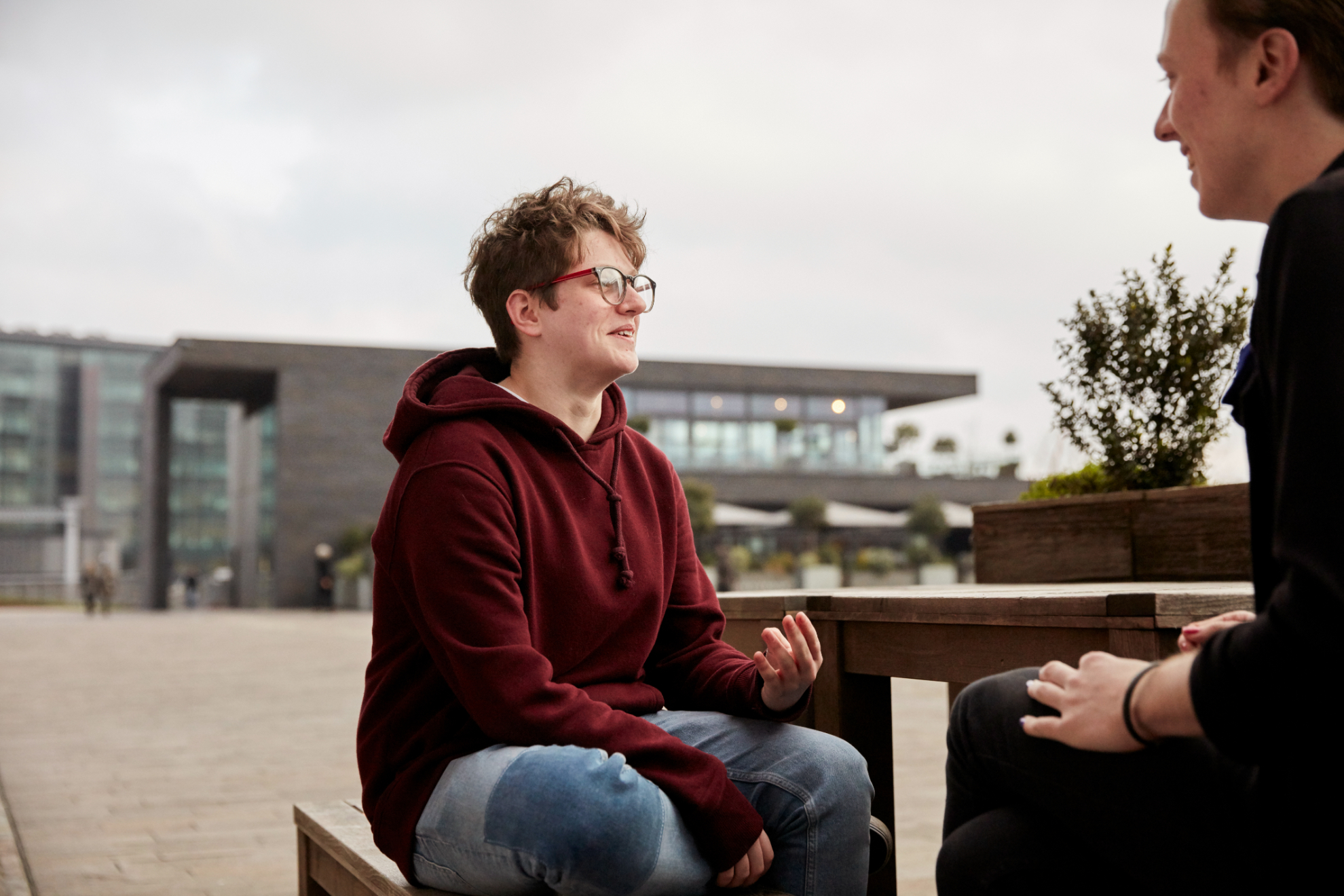
Our 2019-2021 project addresses sexual and gender-based violence (SGBV) as a barrier to the social inclusion of young people. We know well that the groups who are already the most marginalized in Europe are also those who are most at risk of SGBV. YSAFE, IPPF EN’s regional youth network, formed a coalition to take action, joining forces in Portugal, Serbia and Romania with three community-focused organizations engaged in supporting young LGBTQ* people, young Roma people, and young women and others at risk of gender-based discrimination. Together, we have produced a comprehensive toolkit including 38 full new workshop plans and thorough advice on combining them into an appropriate series to respond to a target group's needs. It covers all major current SGBV issues, including SGBV topics that are often left behind in classical sexuality education. There is extensive guidance on how to deliver the toolkit workshops digitally as well as in person, and new monitoring and evaluation tools to measure the effectiveness of the toolkit activities when they are used online. We analysed the effect of our piloting on over 320 young people and have proven that our tool delivers real impact in shifting attitudes and increasing competencies around recognizing and preventing SGBV. Young educators in the three countries have had their capacities raised to deliver workshops using the toolkit, and our dissemination activities have resulted in many more organizations in the EU and beyond incorporating the new toolkit into their existing programme of educational activities. You can learn more about the process and its results directly from some of the young people involved, who collaborated on a mini-series of episodes of YSAFE’s podcast.
14 January 2022
Youth SpectActors
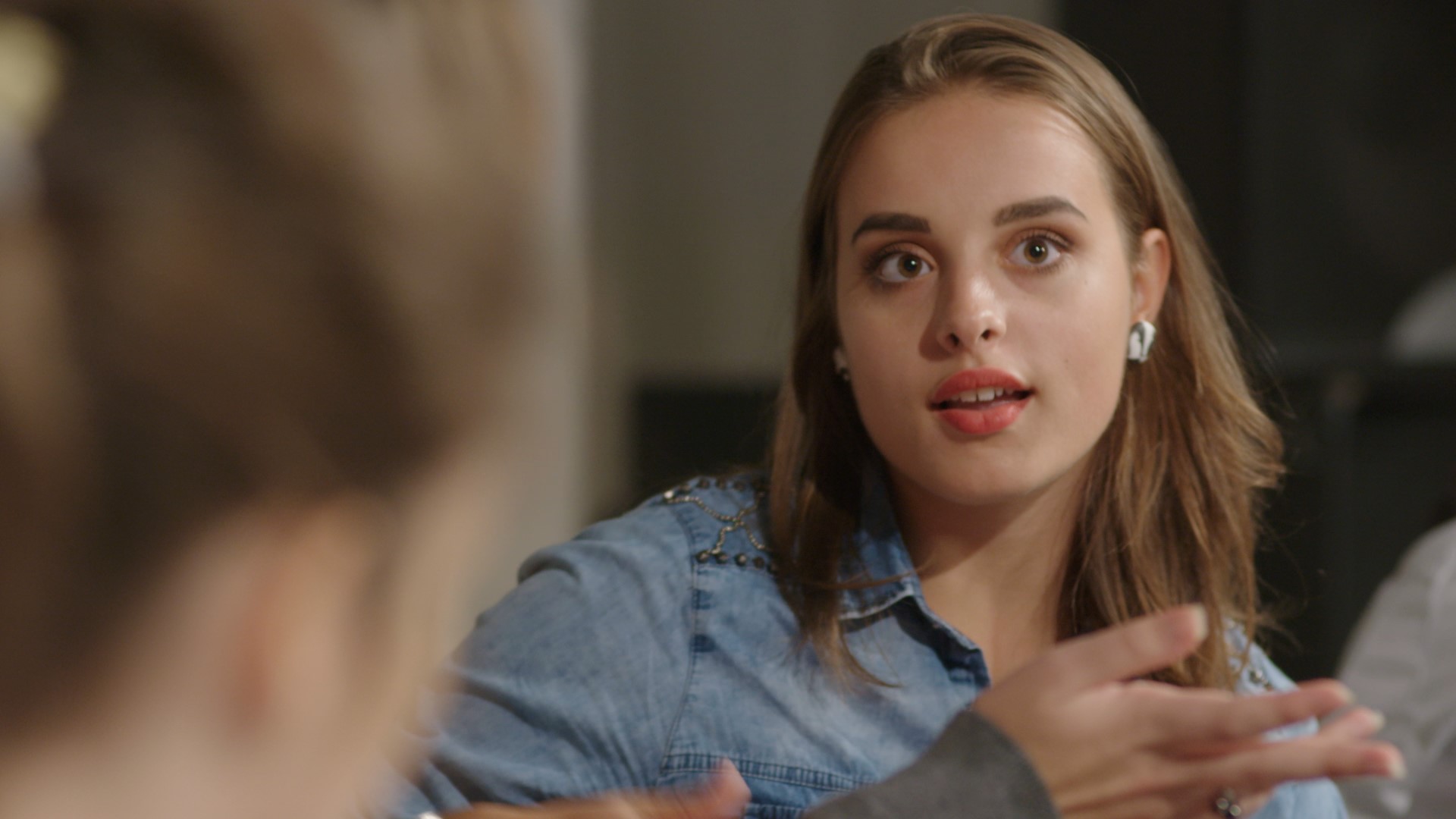
The Youth SpectActors project, implemented in Serbia, Romania, Latvia and Estonia, addresses the root causes of gender-based violence (GBV), namely traditional patriarchal systems based on harmful and rigid gender norms around masculinity and femininity, gender-based discrimination and unequal power relations. Young people are at the centre of our intervention, because of the far-reaching impact of GBV in their lives – as survivors, perpetrators, or bystanders. We believe that young people have a key role they play as change agents. To this end we run theatre-based workshops where boys and girls who participate literally walk in one another's shoes to help challenge and dismantle 'gender roles'. Gender roles are merely roles that we are playing all our lives, and this is why playing them on the stage makes perfect sense. By dismantling archaic stereotypes, we can foster equality and prevent violence and coercion within relationships. Relationship and sexuality education, in school settings and outside, plays a key role in ensuring the safe emotional and physical development of young people. This project was funded by the European Union’s Rights, Equality and Citizenship Programme (REC 2014-2020).
14 January 2022
My Body, My Rights
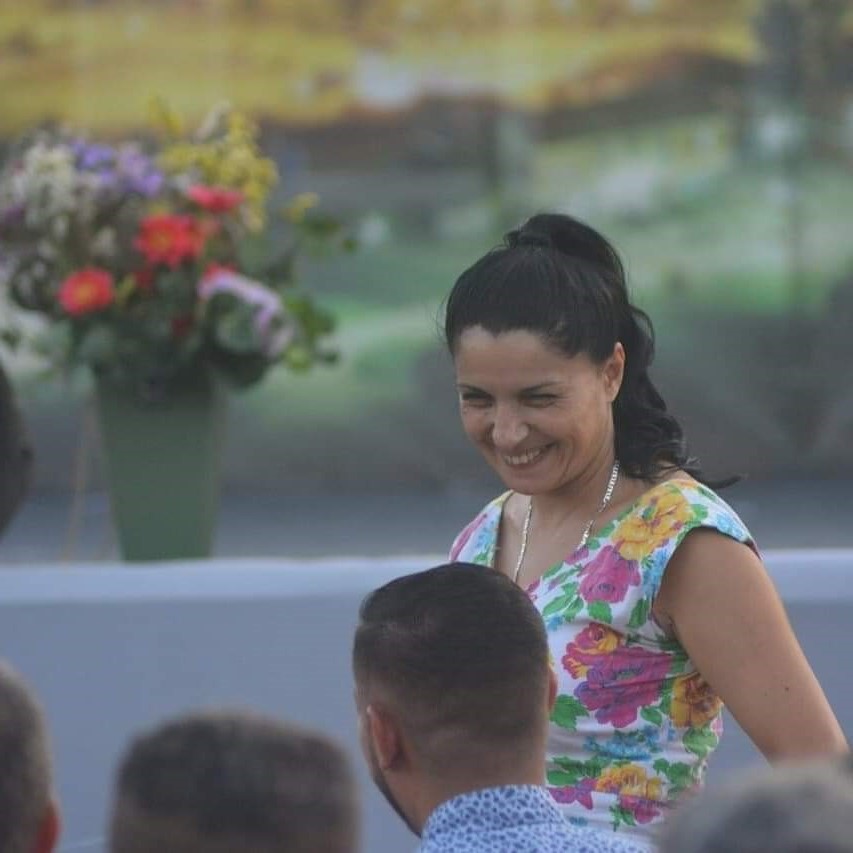
My Body, My Rights is a three-year project supporting the lifelong reproductive health and freedom of Roma girls, by improving access and uptake of quality maternal and family planning healthcare for vulnerable communities in Bulgaria, Romania and Serbia. We are working holistically on the multiple fronts necessary to bring about lasting change. At the heart of the project lies participation by Roma people themselves, particularly the young. IPPF members in Bulgaria, Romania and Serbia are working in intersectional partnerships to empower girls and boys to become leaders in educating and informing their peers about sexual and reproductive health and rights, and in driving change for their community through advocacy. Relationship and sexuality education is vital for increasing support for gender equality and reproductive freedom among young Roma people, while awareness-raising in their communities is increasing the acceptability of modern contraceptives. Project partners are also training primary health care providers to update their technical knowledge and skills related to family planning in line with best practice and international standards, sensitising them to Roma health needs and to how stigma and discriminatory attitudes towards the Roma and young people negatively affect the quality of care they receive. Roma health mediators are our bridge between communities and healthcare providers. The project is also targeting decision-makers, carrying out advocacy for stronger political commitment to quality family planning care for communities often left behind. Our members are using innovative approaches such as the development of an app to promote contraceptive acceptability. This work is coordinated by IPPF EN’s regional office, implemented by our national members in Bulgaria, Romania and Serbia, and funded by MSD for Mothers. Explore our project microsite!
26 September 2020
Making contraceptive freedom a reality in vulnerable communities
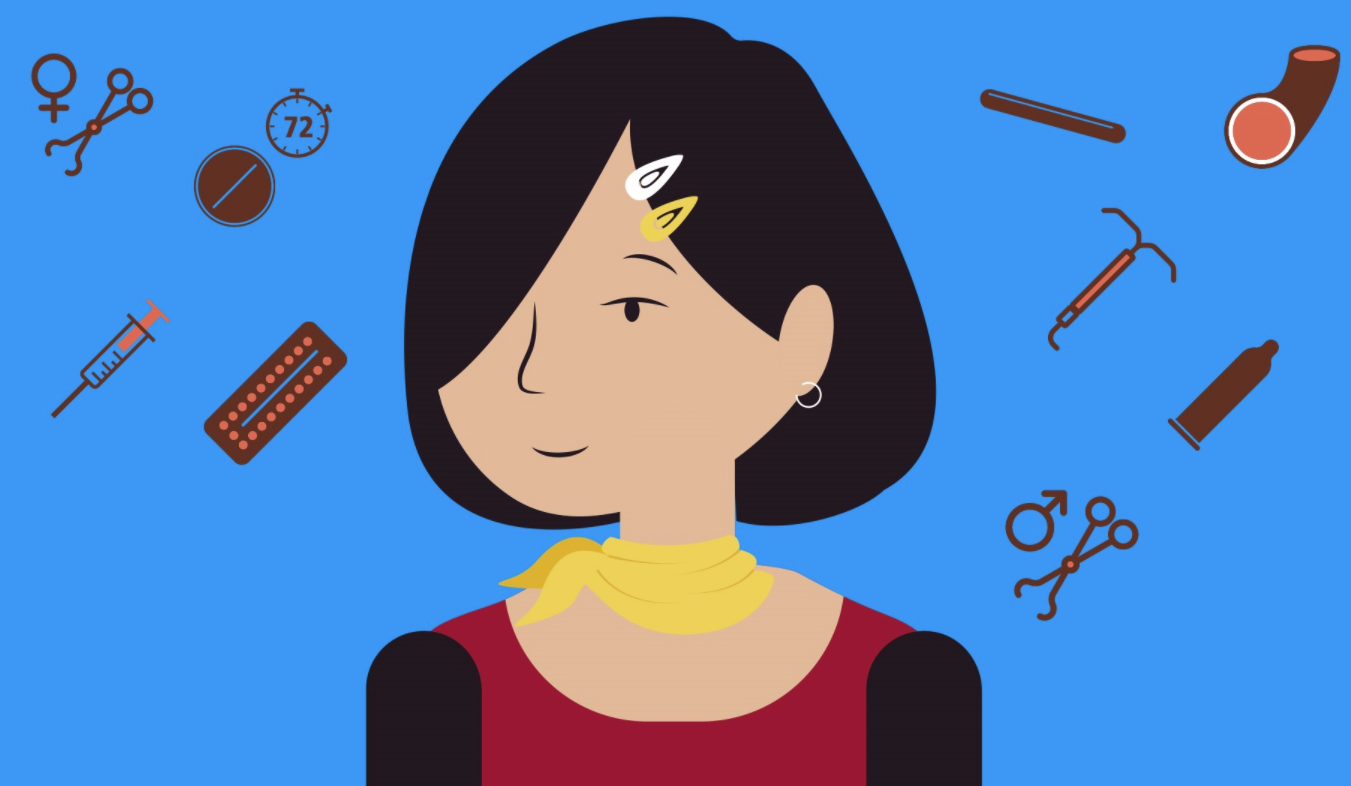
Today is World Contraception Day – a day for raising awareness about contraceptive care. It might seem surprising that we still need to raise awareness - isn’t everyone in Europe using modern contraception nowadays? Unfortunately, the answer is no. In Romania, Bulgaria and Serbia, for example, less than half of women use a modern method. Many women and girls from the poorest and most socially excluded communities in the Balkans rely on withdrawal. Contraceptive use is hugely influenced by myths and misinformation about hormonal contraception. This can be tackled by raising awareness and providing accurate information, which is exactly what we are doing in Roma communities in these countries. With support from the communities, our local partners are training and building essential life skills among Roma women and men to enable them to act as points of contact for their friends, children, neighbours and family. And this approach is bearing fruit. Last year, I visited Kosharnik, a neighbourhood in the city of Montana in the north of Bulgaria, where 6000 Roma have settled. 600 of them live in extreme poverty, without running water or electricity. They form a ‘ghetto within the ghetto’. Many have no income and struggle to survive. Contraception is a life-changer for women living in this neighbourhood. One young woman living here told us that local sessions organised by a health mediator from the community had convinced her of the advantages of contraceptive care. She had married at 17 and now, three years and one child later, had decided after careful consideration with her husband what was right for her: “One day, we spoke again.. about what is a good number of children in a family... I thought more about me and my family. We didn’t have a high income and could barely pay our bills. Our daughter was a baby and it was challenge to look after her. With my husband we started to discuss it, and I started to think about getting an IUD... That’s how six months ago I decided to have one fitted… My friends told me I’m crazy, they said I only have one child. But I know that I can decide myself when to have another, and that I’ll do so consciously.” Raising awareness is just part of the solution. Roma women and girls face many more hurdles to get the family planning services they need. Many are uninsured, which makes contraceptive care costly, so we support them to get health insurance. Often, it takes hours to reach healthcare services on public transport, so most women can’t even make the trip. That is why our Bulgarian partner collaborates with a doctor who visits the nearby community health center to provide contraceptive care free-of-charge. We encourage and even push doctors to get out of their consultation rooms and provide information, counselling and even services in the communities. This simple intervention boosts access for women and girls, but crucially also opens the eyes of the doctors, helping to change their perceptions and attitudes towards Roma people. In the words of one Serbian doctor: “This field work teaches me that we have to act like a human, to take the time to listen, ask and help”. Social norms and expectations are another reason that the uptake of contraceptive care is very low. Why would a young girl ask for contraception if she’s not even supposed to have sex before marriage? Or why would a teenage couple use contraception if they just got married and are expected to start a family as soon as possible ? Why would a man propose to his wife to use a condom – is he cheating on her? Young people and their communities need to talk - not just about contraception, but about sex, sexuality, relationships, gender, consent, and more! That’s why we support teachers, local nurses, health mediators and young people to build these essential life skills in their children and peers. Young people and children love the relationships and sexuality education sessions and even the adults we have trained get excited seeing the children’s enthusiasm. A community nurse in Romania told us: “This has helped us to see that more can be done... You realise that for a young girl of 11 or a young boy of 12, questions like "how to use a condom" or "what happens when you have sex with a girl on her period", are clearly taboo, and they have no one to talk to about these things because in their families it’s seen as shameful.... But we're trying to move forward and explain that it’s not bad to talk about these things..." Our work in the Balkans with some of Europe’s most vulnerable communities brings home just how much contraceptive care still changes and saves lives in Europe. It also highlights that making contraceptive freedom a reality for everyone requires civil society, decision-makers and care providers to unite as a team, with and for local communities. Above all, political commitment is needed to ensure all women can live safe and dignified reproductive lives. --- Marieka Vandewiele is a Senior Programme Advisor at IPPF EN's Regional Office. You can read more about this work here.

11 October 2018
Romania’s referendum to ban gay marriage fails
Last weekend, a referendum was held in Romania with the aim of establishing a constitutional ban on same-sex marriage. Romanians were asked to vote on whether they wanted to amend the current gender-neutral description in their constitution to specify that marriage can only be between a man and a woman. In the event, just over 20% of those eligible turned out to vote, in spite of the government's decision to exceptionally extend the voting period over two days. The initiative therefore failed to meet the 30% threshold required for it to be valid. In practice, the referendum was a futile exercise that would have had no immediate impact on the rights of LGBTI people, since Romania doesn’t recognise gay marriage or civil unions. However, if successful, it would have drastically set back the rights of rainbow families for future generations. The constitutional change would have made it exponentially more difficult for gay couples to marry in the future. A few days before the vote, the government reduced anti-fraud monitoring means and limited options for challenging the result. Around €40m was spent to organise it. The ruling Social Democratic Party (PSD) used nationalistic rhetoric to mobilize people to vote, presenting the referendum as a move to defend what they described as traditional Romanian values. Meanwhile, in rural Romania, observers reported that mayors and priests pushed villagers to the ballot box using threats that they would no longer be welcomed to church, or by withholding communion. The powerful Orthodox Church openly supported the proposed change in the constitution. In the end, most of those who did vote were in favour of defining marriage as a union between a man and a woman. But they were vastly outnumbered by those of us who stayed home and celebrated love, in all its variety, instead of casting a ballot against it. As two young Romanians, we are heartened by the result and will continue to stand firm against all types of coercion. But it is alarming to see just how easily the rights of a minority can be taken hostage by political interests. The Romanian referendum underlines that we need to stay vigilant and protect the human rights of LGBTI people, minorities or any marginalised group. Human rights are inherent to all of us, and should never be the subject of popular vote. It will be difficult to repair the harm caused to LGBTI people in Romania by the high levels of hate speech and fearmongering around the referendum. Homophobic reactions and lies were widely shared on social platforms, and most political parties were either silent on the matter or added their own discriminatory views. This hateful discourse forced an already marginalised community into an even more precarious position. Romania is not a tolerant society when it comes to expressing one’s sexual orientation and gender identity. ILGA-Europe ranks the country 25th out of 28 EU states when it comes to hate speech, discrimination and harmful legislation. Romania only decriminalised homosexuality in 2001, much later than most neighbouring countries. We still have a long way to go, but we remain hopeful and wish to believe that the boycott shows that most of us believe in upholding human rights. Ultra-conservative, regressive forces are advancing their agenda in many European countries, including Romania. These regressive movements are openly calling for the cancelation of subsidies for contraception and elective abortion care, proposing to force parents of minors to have counselling if they want to divorce, and advocating to lower taxes for married couples. We hope Romanians will continue to fight against those who seek to censor vulnerable groups and strip them of their rights. By Anamaria Suciu, Programme & Performance Assistant and Cosmina Marian, Communications & Campaigns Advisor at IPPF EN

03 September 2018
The power of sexuality education
By: Anamaria Suciu, Romania I am 28 years old and I grew up in Bucharest, the capital city of Romania, an Eastern European country that got rid of communism the year before I was born. My parents’ life was fundamentally different than mine. They lived their younger years in a closed society based on fear, and considered family and hard work to be their core values. Contraception was not available and abortion was criminalised. Relationships quickly turned into marriages and, soon after, into parenthood. Most social gatherings were taking place behind closed doors and, of course, there was no internet. My parents didn’t even have a phone at home until I was about five or so. My life has been different. I was born a few months after the revolution. I am part of the first generation to live in the democratic and capitalist Romania we know now. I was very lucky to have open-minded parents, who quickly adapted to the new realities and embraced them positively. Still, to some extent, my teen years and my transition to adulthood were not so different from theirs. I grew up feeling ashamed and somewhat guilty of my body, receiving too much unwanted attention. From colleagues at schools to strangers on the street, it seemed totally natural for strangers to slap my behind or catcall me. I knew this was not right, but also didn’t realize that it was not my fault. I clearly remember one day, in secondary school, when a classmate lifted my skirt. I immediately complained to our teacher, but the teacher didn’t seem bothered at all and said that it was normal for boys to be curious. Later, when I started my sex life, I had a feeling everybody on the street could tell. I didn’t feel like I did anything wrong, but still, the idea of my parents finding out was terrifying. We never talked about sex in any other way than something I was supposed to avoid until later. When I went to my first gynecological visit, I was accompanied by my friend’s brother, who knew where to go and who to speak to for a consultation. The second time I went to the gynecologist, I received a treatment that I had to do without my parents knowing, as they would have realized that I had started having sex. Some years after, I had to use emergency contraception, and for a long time, I was afraid it would affect my fertility. Until one day. One lucky day in 2013, I applied as a volunteer for the Society for Contraception on Sexuality and Education and it changed my life. It opened my eyes to the lack of information that young people face and how different things could be. The people I met there (adults!!) were so open to discussing sexuality in a positive way that it took me a while to realize that it was possible to have another attitude towards well-being and self-care. After being trained, I started going to schools to give sexuality education workshops. During my first class, I was so nervous that my heart rate was fast and my feet were weak. I was so sure that nobody would listen to my colleague and me. But I was pleasantly surprised. After a round of laughter, even the most uninterested pupils started paying attention. I continued in the field and was eventually hired to coordinate an entire network of young people working on comprehensive sexuality education at national and regional levels called YSAFE. Today, I still volunteer, now for YouAct, an organization of youth advocates who are doing their best to make sure young people get the attention they deserve when it comes to their sexual and reproductive health and rights. I have met so many passionate young people who think and act the same as I do, and I am hopeful I will see a fundamental change in young people’s access to sexual health information during my lifetime. As a young woman, I believe that comprehensive sexuality education is power - the power to know who you are, to do what you want, and to believe in the future. You can also find Anamaria's blog on Torchlight Collective and on Say It Forward in English and in Romanian.

12 January 2018
When young people are denied contraceptive care
In Romania, more than 600 girls aged 10-15 become mothers every year, and almost 10% of new mothers are younger than 19! This video by our Romanian member SECS tells the story of the tens of thousands of young "pigeons" in their country who become parents too early because they are denied contraceptive care and sexuality education. #idecide

12 December 2016
We Need Love and Intimacy, Just Like You!
“I like that he reads a lot, and that he’s handsome too!” says Nicoleta of her boyfriend Marian. Marian and Nicoleta, both in their twenties, met by chance in 2014, and are now eager to move in together. “She’s beautiful,” he says, “the moment I saw her I knew. It was love at first sight.” Their story is not uncommon. Boy meets girl, they fall in love, and get married. Except, that Nicoleta and Marian both have special needs and live in residential care homes far apart. They are only able to meet every three months, when Marian’s carer can drive him. Yet, the distance doesn’t perturb them. When asked about the future, Marian grins, “We want to move in together and start a family one day”. Marian and Nicoleta are the lucky ones. The support provided by their carers has enabled them to develop their relationship, yet the reality across many countries in Europe is that young people with intellectual disabilities are often not afforded the same opportunities as everyone else.While there are rapid changes in cultural and social norms, people often don’t realise that young people with learning disabilities are not children, but young men and women with the same need for intimacy, sexual affection and love just like anyone else. There also tends to be a lack of engagement in positive sexuality discussion, as sexuality in itself is taboo. A key issue is that parents are often not provided with the tools to support and teach their own children about their rights and, crucially, ensure these are respected in their day-to-day reality. Eugenia Behar is cognitive behavioural therapist and a parent of a daughter with a severe developmental delay. She was trained within the Keep me Safe project by the Society for Education on Contraception and Sexuality (SECS) and went on to train other parents; “We need to give them as much autonomy as we can and let them find their own way. Identifying the emotions they are passing through and having the language to express these are vital. As a parent or as a caregiver, sometimes you forget that it's not your choice.” Ninety percent of people with disabilities experience sexual abuse at some point in their lives. Young people with disabilities are particularly vulnerable to sexual abuse due to stigma, discrimination and ignorance about disabilities, isolation, as well as inadequate services and support to the families. The perception that they are not sexual beings also means that many young people with disabilities have little to no access to sexuality education. If no one ever talks openly to them about sex and sexuality in a positive way, as well as discussing rights, responsibilities, boundaries and social norms, it may result in inappropriate sexual behaviour, violence and abuse. Tolerance and understanding from the community are also crucial to tackling abuse. Empowering young people with disabilities to protect themselves against sexual abuse and violence requires acknowledgement and respect of their sexuality and need for love from their caregivers, as well as guidance on protection and appropriate behaviour. On International Day of Persons with Disabilities, it is crucial to acknowledge that everyone deserves to live happy and fulfilled lives. For many, like Nicoleta and Marian, projects like Keep me Safe have had a long-lasting positive effect on the quality of their lives. They should be the rule, not the exception. The two-year ‘Keep me Safe’ project aimed at empowering young people with learning disabilities to protect themselves against sexual abuse and violence across Europe was co-funded by the European Commission Daphne III Programme. ‘Keep me Safe’ was implemented across Bulgaria, Cyprus, Romania, Spain, Denmark, Latvia and Macedonia with the help of our Belgian, German, Irish, Dutch and UK Member Associations. Click here to watch their story! By Dearbhla Crosse, Communications Advisor, IPPF EN

05 June 2016
Marian and Nicoleta
Meet Marian and Nicoleta. Their unique love story highlights the importance of ensuring that everyone, everywhere has the love and happiness they deserve.

13 May 2016
Eugenia's Story
Meet Eugenia Behar, a clinical psychologist working with young people with learning difficulties in Romania, a country where there is still no obligatory sexuality education across all schools, particularly for those with learning difficulties.
14 January 2022
Safe from Sexual and Gender-Based Violence
Our 2019-2021 project addresses sexual and gender-based violence (SGBV) as a barrier to the social inclusion of young people. We know well that the groups who are already the most marginalized in Europe are also those who are most at risk of SGBV. YSAFE, IPPF EN’s regional youth network, formed a coalition to take action, joining forces in Portugal, Serbia and Romania with three community-focused organizations engaged in supporting young LGBTQ* people, young Roma people, and young women and others at risk of gender-based discrimination. Together, we have produced a comprehensive toolkit including 38 full new workshop plans and thorough advice on combining them into an appropriate series to respond to a target group's needs. It covers all major current SGBV issues, including SGBV topics that are often left behind in classical sexuality education. There is extensive guidance on how to deliver the toolkit workshops digitally as well as in person, and new monitoring and evaluation tools to measure the effectiveness of the toolkit activities when they are used online. We analysed the effect of our piloting on over 320 young people and have proven that our tool delivers real impact in shifting attitudes and increasing competencies around recognizing and preventing SGBV. Young educators in the three countries have had their capacities raised to deliver workshops using the toolkit, and our dissemination activities have resulted in many more organizations in the EU and beyond incorporating the new toolkit into their existing programme of educational activities. You can learn more about the process and its results directly from some of the young people involved, who collaborated on a mini-series of episodes of YSAFE’s podcast.
14 January 2022
Youth SpectActors
The Youth SpectActors project, implemented in Serbia, Romania, Latvia and Estonia, addresses the root causes of gender-based violence (GBV), namely traditional patriarchal systems based on harmful and rigid gender norms around masculinity and femininity, gender-based discrimination and unequal power relations. Young people are at the centre of our intervention, because of the far-reaching impact of GBV in their lives – as survivors, perpetrators, or bystanders. We believe that young people have a key role they play as change agents. To this end we run theatre-based workshops where boys and girls who participate literally walk in one another's shoes to help challenge and dismantle 'gender roles'. Gender roles are merely roles that we are playing all our lives, and this is why playing them on the stage makes perfect sense. By dismantling archaic stereotypes, we can foster equality and prevent violence and coercion within relationships. Relationship and sexuality education, in school settings and outside, plays a key role in ensuring the safe emotional and physical development of young people. This project was funded by the European Union’s Rights, Equality and Citizenship Programme (REC 2014-2020).
14 January 2022
My Body, My Rights
My Body, My Rights is a three-year project supporting the lifelong reproductive health and freedom of Roma girls, by improving access and uptake of quality maternal and family planning healthcare for vulnerable communities in Bulgaria, Romania and Serbia. We are working holistically on the multiple fronts necessary to bring about lasting change. At the heart of the project lies participation by Roma people themselves, particularly the young. IPPF members in Bulgaria, Romania and Serbia are working in intersectional partnerships to empower girls and boys to become leaders in educating and informing their peers about sexual and reproductive health and rights, and in driving change for their community through advocacy. Relationship and sexuality education is vital for increasing support for gender equality and reproductive freedom among young Roma people, while awareness-raising in their communities is increasing the acceptability of modern contraceptives. Project partners are also training primary health care providers to update their technical knowledge and skills related to family planning in line with best practice and international standards, sensitising them to Roma health needs and to how stigma and discriminatory attitudes towards the Roma and young people negatively affect the quality of care they receive. Roma health mediators are our bridge between communities and healthcare providers. The project is also targeting decision-makers, carrying out advocacy for stronger political commitment to quality family planning care for communities often left behind. Our members are using innovative approaches such as the development of an app to promote contraceptive acceptability. This work is coordinated by IPPF EN’s regional office, implemented by our national members in Bulgaria, Romania and Serbia, and funded by MSD for Mothers. Explore our project microsite!
26 September 2020
Making contraceptive freedom a reality in vulnerable communities
Today is World Contraception Day – a day for raising awareness about contraceptive care. It might seem surprising that we still need to raise awareness - isn’t everyone in Europe using modern contraception nowadays? Unfortunately, the answer is no. In Romania, Bulgaria and Serbia, for example, less than half of women use a modern method. Many women and girls from the poorest and most socially excluded communities in the Balkans rely on withdrawal. Contraceptive use is hugely influenced by myths and misinformation about hormonal contraception. This can be tackled by raising awareness and providing accurate information, which is exactly what we are doing in Roma communities in these countries. With support from the communities, our local partners are training and building essential life skills among Roma women and men to enable them to act as points of contact for their friends, children, neighbours and family. And this approach is bearing fruit. Last year, I visited Kosharnik, a neighbourhood in the city of Montana in the north of Bulgaria, where 6000 Roma have settled. 600 of them live in extreme poverty, without running water or electricity. They form a ‘ghetto within the ghetto’. Many have no income and struggle to survive. Contraception is a life-changer for women living in this neighbourhood. One young woman living here told us that local sessions organised by a health mediator from the community had convinced her of the advantages of contraceptive care. She had married at 17 and now, three years and one child later, had decided after careful consideration with her husband what was right for her: “One day, we spoke again.. about what is a good number of children in a family... I thought more about me and my family. We didn’t have a high income and could barely pay our bills. Our daughter was a baby and it was challenge to look after her. With my husband we started to discuss it, and I started to think about getting an IUD... That’s how six months ago I decided to have one fitted… My friends told me I’m crazy, they said I only have one child. But I know that I can decide myself when to have another, and that I’ll do so consciously.” Raising awareness is just part of the solution. Roma women and girls face many more hurdles to get the family planning services they need. Many are uninsured, which makes contraceptive care costly, so we support them to get health insurance. Often, it takes hours to reach healthcare services on public transport, so most women can’t even make the trip. That is why our Bulgarian partner collaborates with a doctor who visits the nearby community health center to provide contraceptive care free-of-charge. We encourage and even push doctors to get out of their consultation rooms and provide information, counselling and even services in the communities. This simple intervention boosts access for women and girls, but crucially also opens the eyes of the doctors, helping to change their perceptions and attitudes towards Roma people. In the words of one Serbian doctor: “This field work teaches me that we have to act like a human, to take the time to listen, ask and help”. Social norms and expectations are another reason that the uptake of contraceptive care is very low. Why would a young girl ask for contraception if she’s not even supposed to have sex before marriage? Or why would a teenage couple use contraception if they just got married and are expected to start a family as soon as possible ? Why would a man propose to his wife to use a condom – is he cheating on her? Young people and their communities need to talk - not just about contraception, but about sex, sexuality, relationships, gender, consent, and more! That’s why we support teachers, local nurses, health mediators and young people to build these essential life skills in their children and peers. Young people and children love the relationships and sexuality education sessions and even the adults we have trained get excited seeing the children’s enthusiasm. A community nurse in Romania told us: “This has helped us to see that more can be done... You realise that for a young girl of 11 or a young boy of 12, questions like "how to use a condom" or "what happens when you have sex with a girl on her period", are clearly taboo, and they have no one to talk to about these things because in their families it’s seen as shameful.... But we're trying to move forward and explain that it’s not bad to talk about these things..." Our work in the Balkans with some of Europe’s most vulnerable communities brings home just how much contraceptive care still changes and saves lives in Europe. It also highlights that making contraceptive freedom a reality for everyone requires civil society, decision-makers and care providers to unite as a team, with and for local communities. Above all, political commitment is needed to ensure all women can live safe and dignified reproductive lives. --- Marieka Vandewiele is a Senior Programme Advisor at IPPF EN's Regional Office. You can read more about this work here.
11 October 2018
Romania’s referendum to ban gay marriage fails
Last weekend, a referendum was held in Romania with the aim of establishing a constitutional ban on same-sex marriage. Romanians were asked to vote on whether they wanted to amend the current gender-neutral description in their constitution to specify that marriage can only be between a man and a woman. In the event, just over 20% of those eligible turned out to vote, in spite of the government's decision to exceptionally extend the voting period over two days. The initiative therefore failed to meet the 30% threshold required for it to be valid. In practice, the referendum was a futile exercise that would have had no immediate impact on the rights of LGBTI people, since Romania doesn’t recognise gay marriage or civil unions. However, if successful, it would have drastically set back the rights of rainbow families for future generations. The constitutional change would have made it exponentially more difficult for gay couples to marry in the future. A few days before the vote, the government reduced anti-fraud monitoring means and limited options for challenging the result. Around €40m was spent to organise it. The ruling Social Democratic Party (PSD) used nationalistic rhetoric to mobilize people to vote, presenting the referendum as a move to defend what they described as traditional Romanian values. Meanwhile, in rural Romania, observers reported that mayors and priests pushed villagers to the ballot box using threats that they would no longer be welcomed to church, or by withholding communion. The powerful Orthodox Church openly supported the proposed change in the constitution. In the end, most of those who did vote were in favour of defining marriage as a union between a man and a woman. But they were vastly outnumbered by those of us who stayed home and celebrated love, in all its variety, instead of casting a ballot against it. As two young Romanians, we are heartened by the result and will continue to stand firm against all types of coercion. But it is alarming to see just how easily the rights of a minority can be taken hostage by political interests. The Romanian referendum underlines that we need to stay vigilant and protect the human rights of LGBTI people, minorities or any marginalised group. Human rights are inherent to all of us, and should never be the subject of popular vote. It will be difficult to repair the harm caused to LGBTI people in Romania by the high levels of hate speech and fearmongering around the referendum. Homophobic reactions and lies were widely shared on social platforms, and most political parties were either silent on the matter or added their own discriminatory views. This hateful discourse forced an already marginalised community into an even more precarious position. Romania is not a tolerant society when it comes to expressing one’s sexual orientation and gender identity. ILGA-Europe ranks the country 25th out of 28 EU states when it comes to hate speech, discrimination and harmful legislation. Romania only decriminalised homosexuality in 2001, much later than most neighbouring countries. We still have a long way to go, but we remain hopeful and wish to believe that the boycott shows that most of us believe in upholding human rights. Ultra-conservative, regressive forces are advancing their agenda in many European countries, including Romania. These regressive movements are openly calling for the cancelation of subsidies for contraception and elective abortion care, proposing to force parents of minors to have counselling if they want to divorce, and advocating to lower taxes for married couples. We hope Romanians will continue to fight against those who seek to censor vulnerable groups and strip them of their rights. By Anamaria Suciu, Programme & Performance Assistant and Cosmina Marian, Communications & Campaigns Advisor at IPPF EN
03 September 2018
The power of sexuality education
By: Anamaria Suciu, Romania I am 28 years old and I grew up in Bucharest, the capital city of Romania, an Eastern European country that got rid of communism the year before I was born. My parents’ life was fundamentally different than mine. They lived their younger years in a closed society based on fear, and considered family and hard work to be their core values. Contraception was not available and abortion was criminalised. Relationships quickly turned into marriages and, soon after, into parenthood. Most social gatherings were taking place behind closed doors and, of course, there was no internet. My parents didn’t even have a phone at home until I was about five or so. My life has been different. I was born a few months after the revolution. I am part of the first generation to live in the democratic and capitalist Romania we know now. I was very lucky to have open-minded parents, who quickly adapted to the new realities and embraced them positively. Still, to some extent, my teen years and my transition to adulthood were not so different from theirs. I grew up feeling ashamed and somewhat guilty of my body, receiving too much unwanted attention. From colleagues at schools to strangers on the street, it seemed totally natural for strangers to slap my behind or catcall me. I knew this was not right, but also didn’t realize that it was not my fault. I clearly remember one day, in secondary school, when a classmate lifted my skirt. I immediately complained to our teacher, but the teacher didn’t seem bothered at all and said that it was normal for boys to be curious. Later, when I started my sex life, I had a feeling everybody on the street could tell. I didn’t feel like I did anything wrong, but still, the idea of my parents finding out was terrifying. We never talked about sex in any other way than something I was supposed to avoid until later. When I went to my first gynecological visit, I was accompanied by my friend’s brother, who knew where to go and who to speak to for a consultation. The second time I went to the gynecologist, I received a treatment that I had to do without my parents knowing, as they would have realized that I had started having sex. Some years after, I had to use emergency contraception, and for a long time, I was afraid it would affect my fertility. Until one day. One lucky day in 2013, I applied as a volunteer for the Society for Contraception on Sexuality and Education and it changed my life. It opened my eyes to the lack of information that young people face and how different things could be. The people I met there (adults!!) were so open to discussing sexuality in a positive way that it took me a while to realize that it was possible to have another attitude towards well-being and self-care. After being trained, I started going to schools to give sexuality education workshops. During my first class, I was so nervous that my heart rate was fast and my feet were weak. I was so sure that nobody would listen to my colleague and me. But I was pleasantly surprised. After a round of laughter, even the most uninterested pupils started paying attention. I continued in the field and was eventually hired to coordinate an entire network of young people working on comprehensive sexuality education at national and regional levels called YSAFE. Today, I still volunteer, now for YouAct, an organization of youth advocates who are doing their best to make sure young people get the attention they deserve when it comes to their sexual and reproductive health and rights. I have met so many passionate young people who think and act the same as I do, and I am hopeful I will see a fundamental change in young people’s access to sexual health information during my lifetime. As a young woman, I believe that comprehensive sexuality education is power - the power to know who you are, to do what you want, and to believe in the future. You can also find Anamaria's blog on Torchlight Collective and on Say It Forward in English and in Romanian.
12 January 2018
When young people are denied contraceptive care
In Romania, more than 600 girls aged 10-15 become mothers every year, and almost 10% of new mothers are younger than 19! This video by our Romanian member SECS tells the story of the tens of thousands of young "pigeons" in their country who become parents too early because they are denied contraceptive care and sexuality education. #idecide
12 December 2016
We Need Love and Intimacy, Just Like You!
“I like that he reads a lot, and that he’s handsome too!” says Nicoleta of her boyfriend Marian. Marian and Nicoleta, both in their twenties, met by chance in 2014, and are now eager to move in together. “She’s beautiful,” he says, “the moment I saw her I knew. It was love at first sight.” Their story is not uncommon. Boy meets girl, they fall in love, and get married. Except, that Nicoleta and Marian both have special needs and live in residential care homes far apart. They are only able to meet every three months, when Marian’s carer can drive him. Yet, the distance doesn’t perturb them. When asked about the future, Marian grins, “We want to move in together and start a family one day”. Marian and Nicoleta are the lucky ones. The support provided by their carers has enabled them to develop their relationship, yet the reality across many countries in Europe is that young people with intellectual disabilities are often not afforded the same opportunities as everyone else.While there are rapid changes in cultural and social norms, people often don’t realise that young people with learning disabilities are not children, but young men and women with the same need for intimacy, sexual affection and love just like anyone else. There also tends to be a lack of engagement in positive sexuality discussion, as sexuality in itself is taboo. A key issue is that parents are often not provided with the tools to support and teach their own children about their rights and, crucially, ensure these are respected in their day-to-day reality. Eugenia Behar is cognitive behavioural therapist and a parent of a daughter with a severe developmental delay. She was trained within the Keep me Safe project by the Society for Education on Contraception and Sexuality (SECS) and went on to train other parents; “We need to give them as much autonomy as we can and let them find their own way. Identifying the emotions they are passing through and having the language to express these are vital. As a parent or as a caregiver, sometimes you forget that it's not your choice.” Ninety percent of people with disabilities experience sexual abuse at some point in their lives. Young people with disabilities are particularly vulnerable to sexual abuse due to stigma, discrimination and ignorance about disabilities, isolation, as well as inadequate services and support to the families. The perception that they are not sexual beings also means that many young people with disabilities have little to no access to sexuality education. If no one ever talks openly to them about sex and sexuality in a positive way, as well as discussing rights, responsibilities, boundaries and social norms, it may result in inappropriate sexual behaviour, violence and abuse. Tolerance and understanding from the community are also crucial to tackling abuse. Empowering young people with disabilities to protect themselves against sexual abuse and violence requires acknowledgement and respect of their sexuality and need for love from their caregivers, as well as guidance on protection and appropriate behaviour. On International Day of Persons with Disabilities, it is crucial to acknowledge that everyone deserves to live happy and fulfilled lives. For many, like Nicoleta and Marian, projects like Keep me Safe have had a long-lasting positive effect on the quality of their lives. They should be the rule, not the exception. The two-year ‘Keep me Safe’ project aimed at empowering young people with learning disabilities to protect themselves against sexual abuse and violence across Europe was co-funded by the European Commission Daphne III Programme. ‘Keep me Safe’ was implemented across Bulgaria, Cyprus, Romania, Spain, Denmark, Latvia and Macedonia with the help of our Belgian, German, Irish, Dutch and UK Member Associations. Click here to watch their story! By Dearbhla Crosse, Communications Advisor, IPPF EN
05 June 2016
Marian and Nicoleta
Meet Marian and Nicoleta. Their unique love story highlights the importance of ensuring that everyone, everywhere has the love and happiness they deserve.
13 May 2016
Eugenia's Story
Meet Eugenia Behar, a clinical psychologist working with young people with learning difficulties in Romania, a country where there is still no obligatory sexuality education across all schools, particularly for those with learning difficulties.